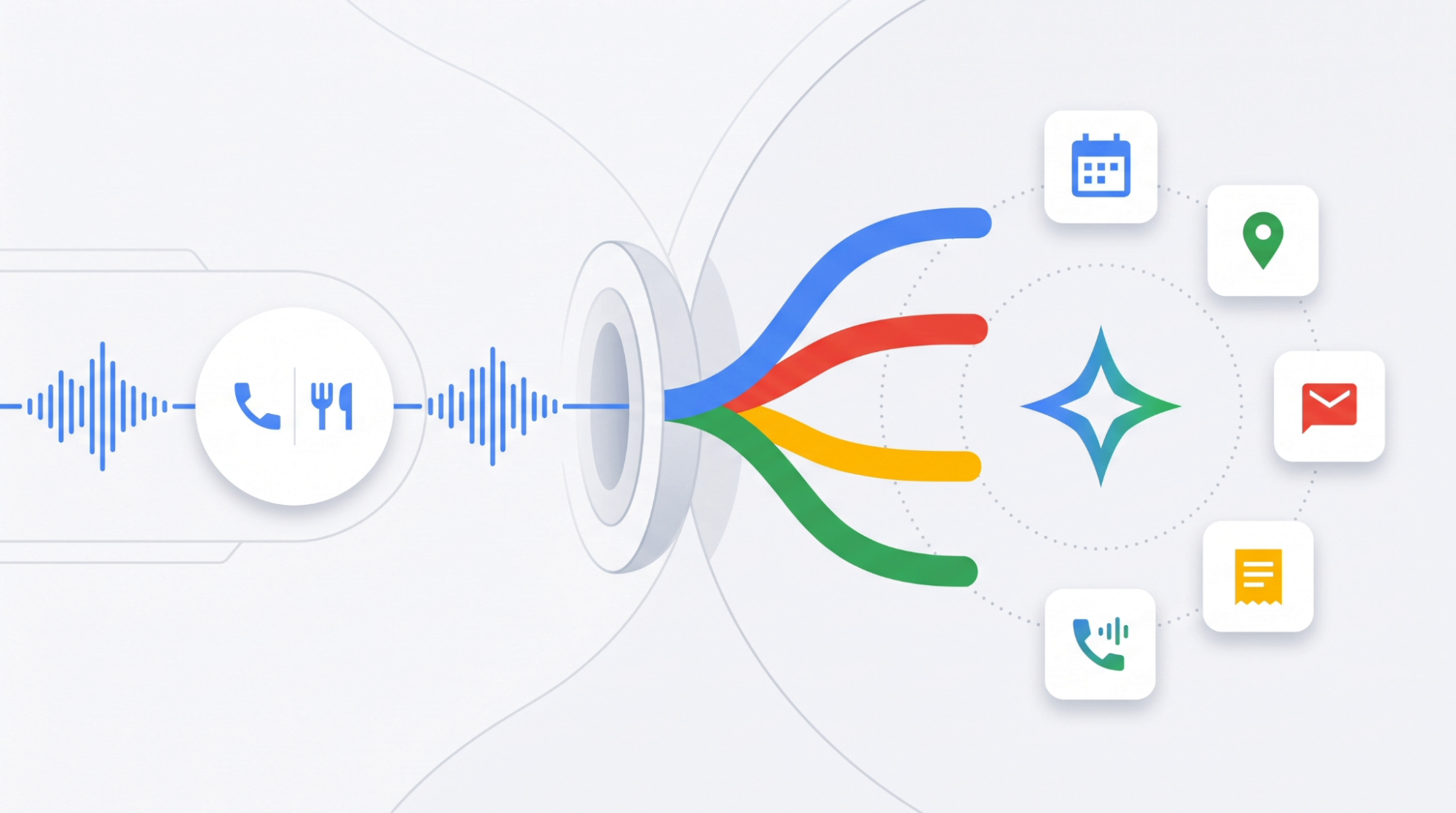
Firecrawl Brings Search, Scraping, and 550+ Data Providers Into One API for AI Agents
A GitHub Trending entry describes Firecrawl as knowledge infrastructure for agents, bringing search, scraping, and access to more than 550 data providers together through one API. The central point is the shared interface: the listing presents search, scraping, and provider access as parts of the same offering rather than describing them separately. The provider count is the only figure in the entry, which does not name the providers or explain what they offer. The description also frames smarter agents as a goal, without reporting results that show how agent performance changes. The listing links to the Firecrawl GitHub repository.
Key Takeaways
- Firecrawl is described in a GitHub Trending entry as knowledge infrastructure for agents.
- The entry lists search, scraping, and access to more than 550 data providers through one API.
- The provider count is the only figure given. The entry does not name providers or explain how agents can use them.
- The stated goal is to make agents smarter, but the entry does not report any measurements of agent performance.
In-Depth Analysis
One API Is the Core of the Firecrawl Description
The Firecrawl listing names search, scraping, and data providers, then ties them together with the phrase “through one API.” That last detail is what makes the description more than a list of capabilities. It tells readers that Firecrawl presents all three as accessible through a shared interface. It does not, however, describe how they fit together when an agent uses them. For example, the entry does not say whether search and scraping are typically used in sequence or how either relates to the providers. The distinction matters: one API describes how access is grouped, not what an agent does with that access. Readers can identify the scope of the offering from the listing, but not the steps involved in using it.
What the 550+ Data Provider Count Tells Readers
More than 550 data providers is the only quantitative claim in the entry. The number refers to providers, not to the volume of data available, the number of search results, or the number of pages that can be scraped. The excerpt does not list providers or divide them into categories, so the count does not tell readers whether a particular source or type of information is included. That makes the figure useful as a statement about the size of the provider lineup described by Firecrawl, but not as an answer to a coverage question. For someone evaluating the listing, those are separate questions: the entry gives a count, while leaving the composition of that lineup unspecified.
“Smarter” Agents Are the Stated Goal, Not a Reported Result
The phrase “knowledge infrastructure to make your agents smarter” explains why Firecrawl groups these capabilities together. It puts agents at the center of the description and presents access to information as the role Firecrawl is meant to play. But the listing is much more specific about the offering than it is about the outcome. It names search and scraping, gives a provider count, and identifies the API as the point of access. It does not define what “smarter” means or give an example showing an agent performing differently after using Firecrawl. The distinction is between what the entry says Firecrawl provides and what the entry says it is intended to help achieve. Only the former is described in concrete terms.
Industry Impact
For AI developers, the significance of the listing is its emphasis on information access as something built for agents. Firecrawl does not present search or scraping in isolation. It presents both alongside data provider access and uses the shared API to explain how the offering is organized. That framing identifies an infrastructure question relevant to anyone assessing the listing: which ways of obtaining information are available through the same interface? The entry answers at the level of broad capabilities, without showing how any of them would work for a specific agent or task.
The source also sets a clear limit on any wider industry conclusion. The GitHub Trending entry identifies Firecrawl and links to its repository, but it does not give adoption figures, describe completed deployments, or compare Firecrawl with another offering. The provider count cannot stand in for any of those measures. What the entry documents is narrower: Firecrawl positions agent-facing information access as a single API offering that spans search, scraping, and more than 550 data providers. It does not establish whether that approach changes how teams build agents or how well those agents perform.
Frequently Asked Questions
What does the Firecrawl API provide, according to the listing?
The listing says Firecrawl puts search, scraping, and access to more than 550 data providers behind one API. It describes these capabilities collectively as knowledge infrastructure for agents. The excerpt supplies no API examples or instructions, so it establishes what the offering includes at a high level without describing individual operations.
Does the entry identify the data providers?
No. It gives a count of more than 550 providers but does not name any of them or describe the information they make available. The count therefore does not confirm whether a particular provider is included. The link supplied with the entry points to the Firecrawl GitHub repository.
Does the listing show that Firecrawl improves agent performance?
No. It says Firecrawl is meant to make agents smarter, but it provides no benchmark, comparison, or example demonstrating an improvement. The wording states the intended benefit, while the concrete details in the entry concern the types of access Firecrawl offers and the number of data providers it lists.