Unlocking Operational Efficiency: LangChain’s Approach to Building a 'Company Harness'
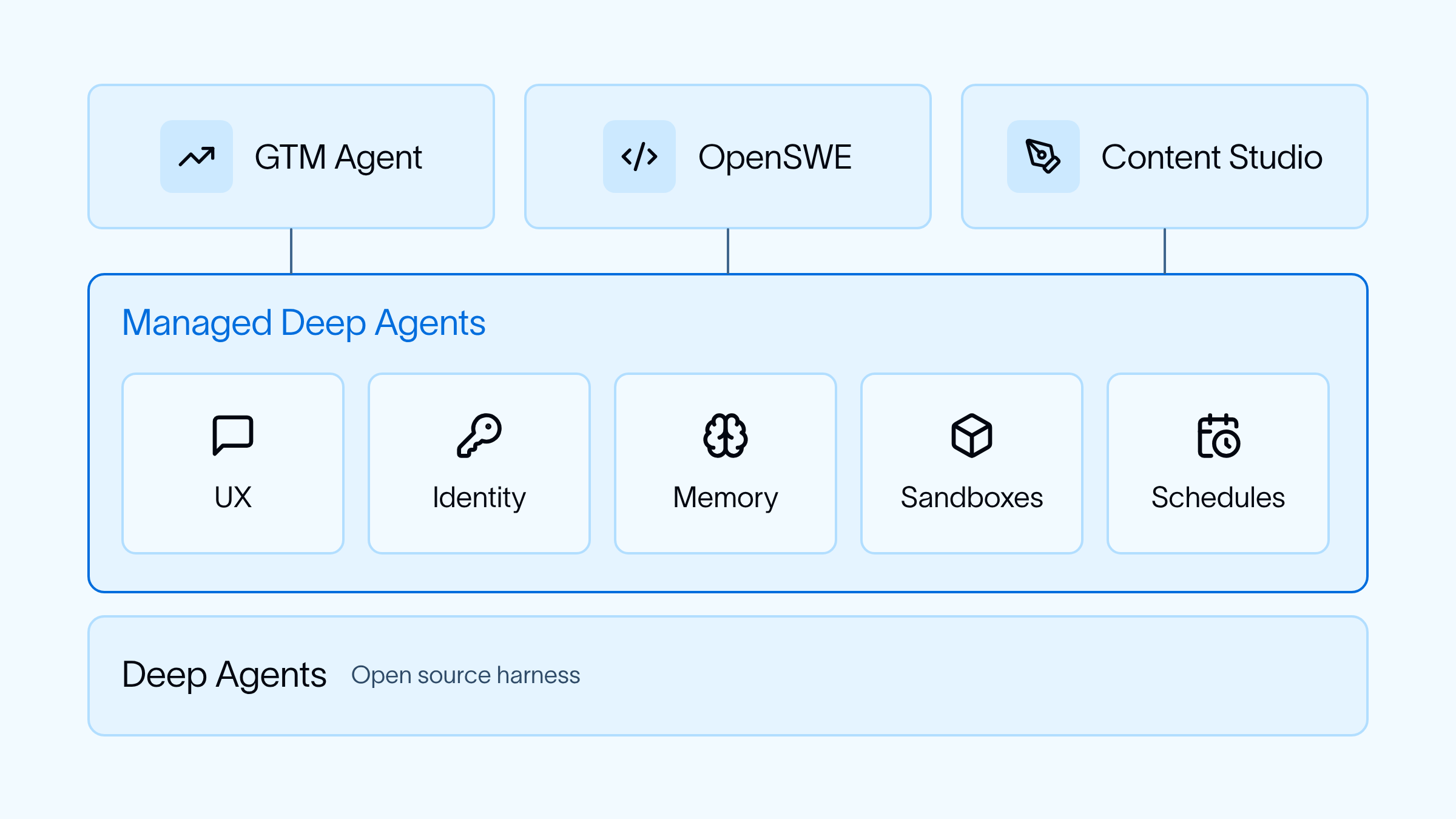
LangChain has announced the successful implementation of internal agents across their marketing, sales, and engineering departments. By developing a framework they refer to as a 'company harness,' LangChain reports that they have fundamentally transformed the workflows of these teams. This analysis examines LangChain's focus on structured internal agent deployment and the significance of their five-component methodology.
Key Takeaways
- LangChain has successfully deployed internal agents across marketing, sales, and engineering departments.
- The deployment of these agents has resulted in a significant transformation of operational workflows within the company.
- A specific framework identified as a 'company harness' is central to this implementation.
- The methodology for building this harness consists of five distinct components.
In-Depth Analysis
The Shift to Internal Agent Operations
LangChain has shifted focus from general tool development to the application of internal agents within their own corporate structure. By targeting marketing, sales, and engineering, the organization has identified key functional areas where agentic assistance can provide tangible operational changes. This transition highlights a trend in enterprise AI where companies are moving beyond external facing applications to optimize internal processes.
Defining the 'Company Harness'
At the core of LangChain's latest update is the concept of a 'company harness.' While details regarding the specific nature of each component remain linked to their proprietary framework, the overarching objective is clear: creating a structured environment that supports the integration of agents into daily operations. This approach suggests a move toward standardized methodologies for agent deployment rather than ad-hoc implementation.
Industry Impact
LangChain’s initiative underscores a pivotal shift in the AI industry: the transition from experimental agent deployment to structured, operational integration. By codifying their experience into a 'company harness' with specific components, LangChain provides a blueprint that other organizations may look to replicate. This emphasis on process and structure is likely to become a benchmark for enterprises seeking to derive actual workflow improvements from AI agents.
Frequently Asked Questions
What departments are using LangChain’s internal agents?
LangChain has reported the use of internal agents specifically within their marketing, sales, and engineering departments.
What is a 'company harness' in the context of LangChain's news?
A 'company harness' is a framework composed of five components developed by LangChain to support the deployment and integration of internal agents within their team workflows.