LangChain CEO Harrison Chase Details Context Engineering Challenges for Proactive AI Agents
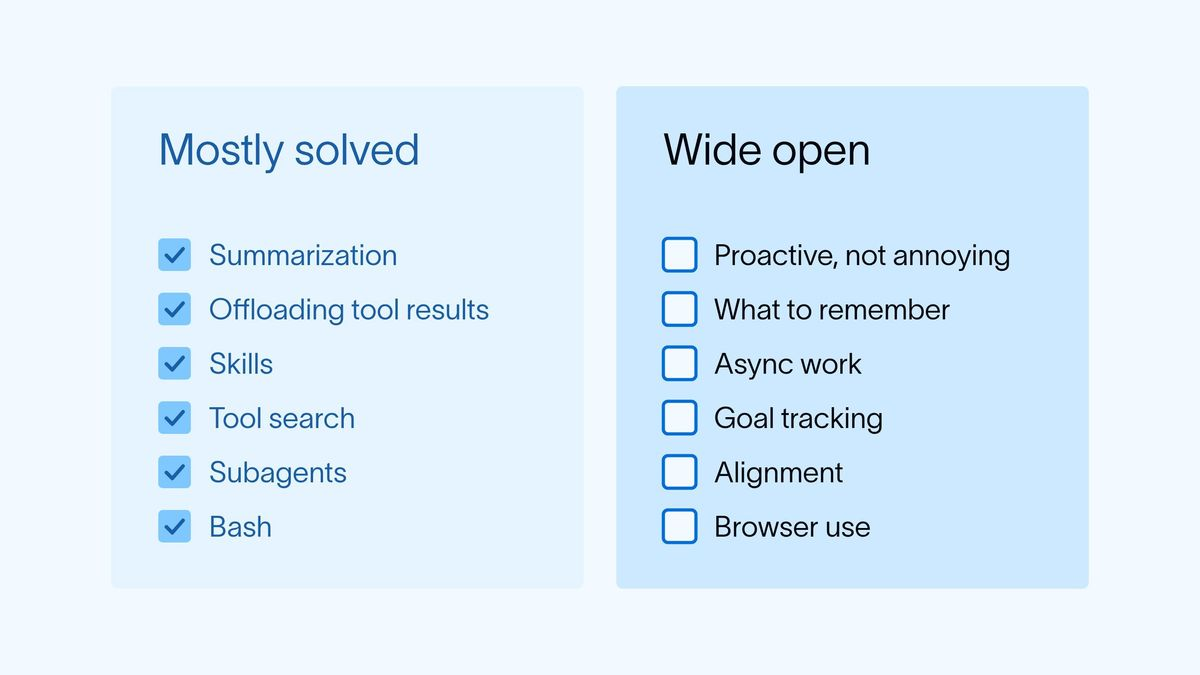
LangChain CEO Harrison Chase has shared key insights regarding the primary engineering challenges associated with the emergence of proactive AI agents in late 2026. This update highlights the critical technical hurdles developers face in managing context, emphasizing the evolving requirements for building robust, autonomous agentic systems.
Key Takeaways
- LangChain CEO Harrison Chase identifies proactive agents as a central driver of new engineering challenges.
- Context engineering is highlighted as a critical area for developers working with next-generation agentic systems.
- The insights reflect the current industry focus on managing the complexity of agent-based architectures as of late 2026.
In-Depth Analysis
The Shift to Proactive Agent Architectures
As of late 2026, the landscape of AI development has shifted toward the adoption of proactive agents. According to Harrison Chase, the CEO of LangChain, this evolution introduces distinct engineering hurdles. Unlike reactive systems, proactive agents require a more sophisticated approach to context management, as they operate with greater autonomy and decision-making capabilities.
Challenges in Context Engineering
The primary focus of the insights provided by LangChain centers on "harness engineering." Managing the context for proactive agents is fundamentally more complex, requiring developers to ensure that the agents possess the necessary information and state management to function effectively without constant manual intervention. Chase's observations suggest that addressing these context engineering challenges is paramount for the stability and reliability of modern AI applications.
Industry Impact
The recognition of these challenges by LangChain underscores a critical transition period in the AI industry. As developers move toward deploying more autonomous and proactive agents, the infrastructure and tooling required to support these systems must evolve accordingly. Addressing these harness engineering hurdles is essential for maintaining the integrity of agentic workflows and ensuring that AI systems can scale effectively in complex, real-world environments.
Frequently Asked Questions
Who provided these insights on AI engineering?
These insights were shared by Harrison Chase, the CEO of LangChain.
What is the primary concern for developers in late 2026 regarding agents?
The primary concern outlined is context engineering, specifically related to the harness engineering challenges posed by the emergence of proactive agents.