Why the Backlash Against Data Centers Might Really Just Be About Electricity
As voters went to the polls across the US, a reporting trip to Ashburn, Virginia—the world's largest data center hub known as Data Center Alley—highlighted the growing public resistance to AI infrastructure. While Big Tech figures argue that data centers have become proxies for broader unease regarding affordability, corporate power, and public control, field observations indicate that the backlash is fundamentally driven by physical concerns over electricity consumption. With data centers requiring massive amounts of power through either grid connections or onsite generation, the tech industry faces mounting hurdles that cannot be resolved solely through image rehabilitation.
Key Takeaways
- Ashburn, Virginia, serves as the heart of Data Center Alley, representing the world's largest concentration of data center infrastructure.
- Big Tech executives, such as OpenAI's chief global affairs officer Chris Lehane, frame data center resistance as a cultural proxy for public unease surrounding corporate power and economic affordability.
- On-the-ground investigation suggests that public pushback is deeply tied to the physical realities and immense appetite for electricity rather than just abstract cultural grievances.
- Powering AI infrastructure requires heavy reliance on local utility grids or dedicated onsite power generation, straining resources and drawing local scrutiny.
In-Depth Analysis
The Epicenter of Data Center Expansion
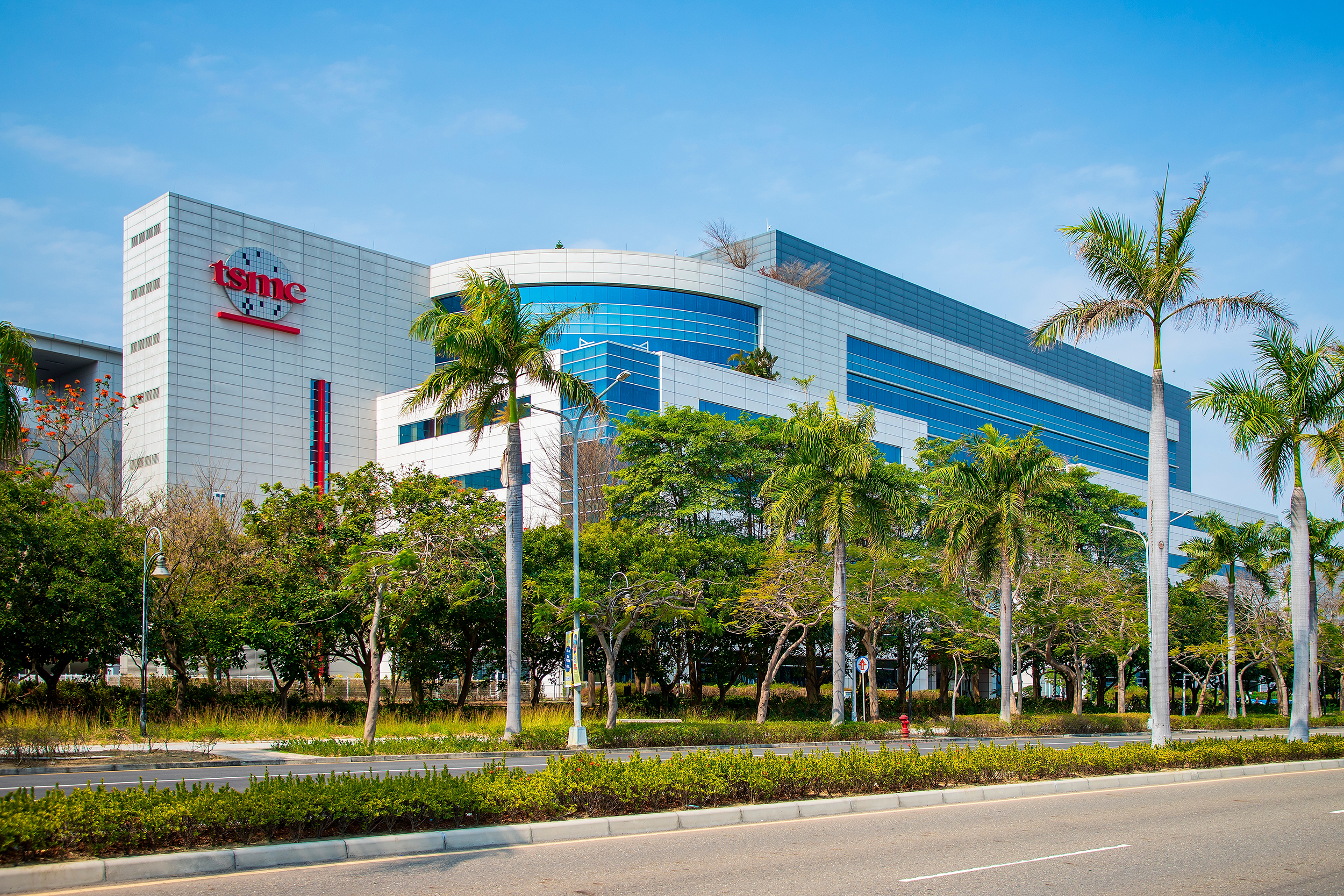
As voters participated in US elections, observations in Ashburn, Virginia—globally recognized as Data Center Alley—revealed the striking landscape where modern AI infrastructure meets local communities. Characterized by monolithic concrete buildings bearing corporate facility names along major roads, this region represents both the pinnacle of cloud and AI growth and the birthplace of nationwide public pushback. The physical scale of these facilities underscores the immense footprint that tech companies are establishing across the country.
Dissecting the Narrative of Public Unease
Within the technology sector, conventional wisdom often frames the rising opposition as a cultural proxy. Executives like OpenAI's Chris Lehane have argued that data centers symbolize wider public anxieties concerning affordability, corporate dominance, and a perceived loss of control over the future. Proponents of this view categorize the friction as a culture war rather than a reaction to physical infrastructure. However, closer inspection of hubs like Data Center Alley challenges this assumption, pointing instead to concrete physical constraints.
The Reality of Power Consumption
Regardless of how tech firms attempt to manage their public image, they face an unavoidable challenge: an enormous appetite for electricity. Facilities striving to meet AI demands generally rely on two approaches: connecting directly to existing public utility grids or generating electricity onsite. For instance, facilities in Loudoun County—such as those operated by Equinix—depend heavily on local utilities like Dominion Energy while maintaining massive diesel backup generators onsite. These structural realities anchor the debate firmly in the physical consequences of energy consumption.
Industry Impact
The intense public focus on data center electricity consumption highlights critical operational limitations for the artificial intelligence sector. As tech companies scale infrastructure to support advancing models, their interactions with local energy grids and utility providers will increasingly dictate public acceptance, regulatory scrutiny, and expansion timelines.