
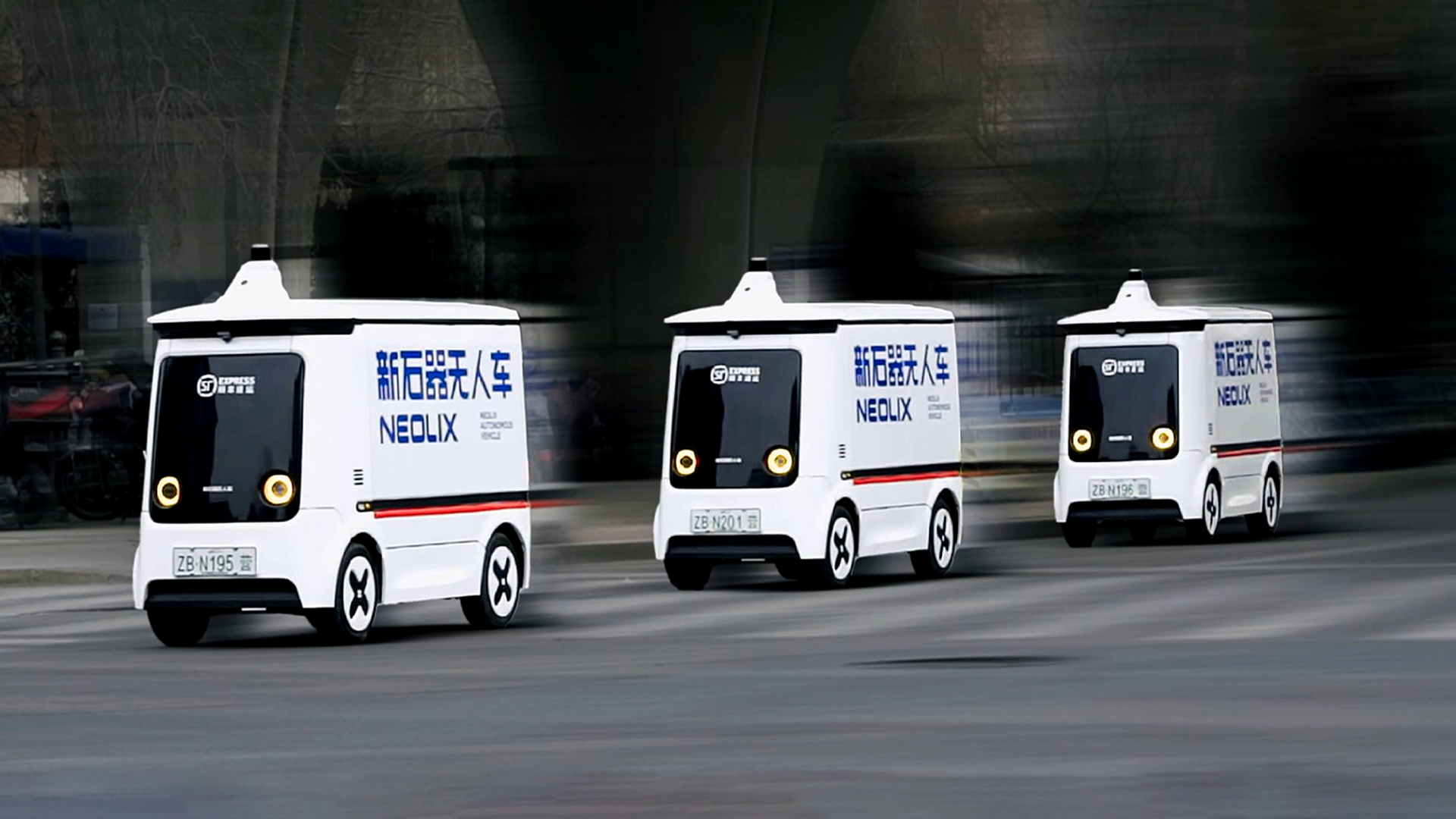
Neolix Prepares Autonomous Delivery Fleet for Malaysia Ahead of Formal Self-Driving Vehicle Legalization
China-based autonomous vehicle enterprise Neolix is preparing to deploy its self-driving delivery trucks on Malaysia's roads, moving forward even before the country has formally legalized autonomous vehicles. Neolix, which operates an autonomous delivery truck leasing model, is taking proactive steps to establish a footprint in the Southeast Asian logistics sector. This early market entrance reflects an aggressive global expansion strategy that anticipates regulatory evolution. However, because Malaysian authorities have not yet instituted the statutory guidelines required for driverless freight transport on public roadways, the deployment faces notable regulatory hurdles. Crucial operational details, including pilot locations, vehicle volume, local partners, and commercial launch dates, remain undisclosed. The development underscores the ongoing race between technological commercialization and policy modernization across international autonomous delivery markets.
Key Takeaways
- International Market Entry: China-based autonomous driving firm Neolix is actively preparing to bring its autonomous delivery trucks to Malaysia.
- Commercial Leasing Model: Neolix operates by leasing its driverless delivery vehicles to commercial clients rather than relying exclusively on direct vehicle sales.
- Regulatory Disparity: Neolix is advancing its road preparations ahead of Malaysia officially passing legislation to legalize autonomous vehicles on public thoroughfares.
- Operational Details Unspecified: The report does not disclose specific rollout schedules, testing permits, city locations, or confirmed corporate partners.
- Strategic Preemption: The company's push highlights an emerging trend where autonomous mobility firms establish operational ground before legal frameworks are fully codified.
In-Depth Analysis
Neolix and the Autonomous Truck Leasing Model
Neolix has established itself within the intelligent logistics sector through a focused business model centered on autonomous delivery trucks. Headquartered in China, the company provides automated last-mile and middle-mile cargo solutions by leasing its hardware and software platforms. This leasing approach allows logistics providers, merchants, and fleet operators to adopt driverless delivery capabilities without incurring the heavy capital expenditures associated with purchasing custom hardware outright.
By packaging autonomous technology as a leased service, Neolix lowers entry barriers for commercial enterprises seeking automated transport. However, taking this commercial model beyond China requires adaptation to diverse urban environments, road infrastructures, and business practices. Neolix’s reported move toward Malaysia signals a deliberate push to expand its leasing footprint into Southeast Asia, targeting international logistics demand where freight efficiency and labor optimization are increasingly prioritized.
Entering Malaysia Ahead of Legislative Modernization
One of the most consequential aspects of Neolix’s Malaysian initiative is its timing. According to the original report, the firm is preparing to operate on Malaysia's roads despite the fact that the country has not yet legalized autonomous vehicles. This dynamic places Neolix ahead of the statutory curve, navigating a legal environment where clear national standards for autonomous driving systems remain unestablished.
Deploying on public roads in the absence of dedicated self-driving legislation creates inherent operational and regulatory friction. Standard motor vehicle frameworks generally mandate human drivers, established licensing categories, and conventional liability assignments. While several jurisdictions worldwide utilize temporary regulatory sandboxes, special testing exemptions, or restricted-zone permits to facilitate trials, the report does not clarify whether Neolix is negotiating special dispensation or simply readying its technical infrastructure until legislative clarity emerges. Moving ahead of formal legal codification suggests a high-conviction bet that regulatory acceptance will follow technological presence.
Navigating the Information Void and Operational Realities
While the original news establishes Neolix's ambition and preparatory status in Malaysia, it leaves extensive operational dimensions unaddressed. Crucial factors such as vehicle fleet size, localized sensor validation, high-definition mapping readiness, and emergency fail-safe measures remain unspecified. Furthermore, the report does not indicate whether Neolix plans to operate in private commercial zones, tech parks, or shared public traffic corridors.
Because autonomous trucks depend heavily on environmental adaptation—such as accommodating tropical weather conditions, local driving customs, and regional road markings—field deployment requires substantial preparatory testing. Without statutory frameworks defining roadworthiness, insurance liability, and data compliance, any near-term deployment must address both technological resilience and governmental oversight. The ongoing development indicates that Neolix is committed to establishing early-mover advantage, even while substantive operational details remain under wraps.
Industry Impact
Neolix's maneuver into Malaysia serves as a significant case study for the wider autonomous driving and artificial intelligence sectors. As domestic markets in leading technology hubs become increasingly crowded, autonomous delivery developers are compelled to seek international expansion. Southeast Asia represents an attractive frontier for logistics automation, but fragmented regulatory environments present unique commercial hurdles.
When autonomous driving companies prepare for deployment in advance of regulatory legalization, they exert indirect pressure on transport authorities to accelerate rule-making processes. Regulatory bodies are frequently required to assess autonomous safety metrics, vehicle classification criteria, and digital road safety governance in real time. If Neolix successfully establishes operations, it could act as a catalyst for Malaysia's autonomous transport legislation, potentially clearing a pathway for subsequent AI logistics providers. Conversely, unexpected regulatory pushback or enforcement measures could delay deployment schedules, reinforcing the reality that policy alignment is as essential as technical capability in autonomous commercialization.
Frequently Asked Questions
What does Neolix do, and where is the company based?
Neolix is an autonomous driving enterprise based in China. The company specializes in developing and leasing autonomous delivery trucks for automated logistics operations.
Is autonomous delivery currently legal on Malaysian public roads?
No. As indicated in the report, Malaysia has not yet passed the legislation required to legalize autonomous vehicles on its roads.
How does Neolix plan to operate in Malaysia prior to legalization?
The original report confirms that Neolix is preparing to deploy its vehicles in Malaysia ahead of legal authorization, but specific details regarding regulatory exemptions, testing zones, launch partners, and operational timelines have not been publicly disclosed.


