
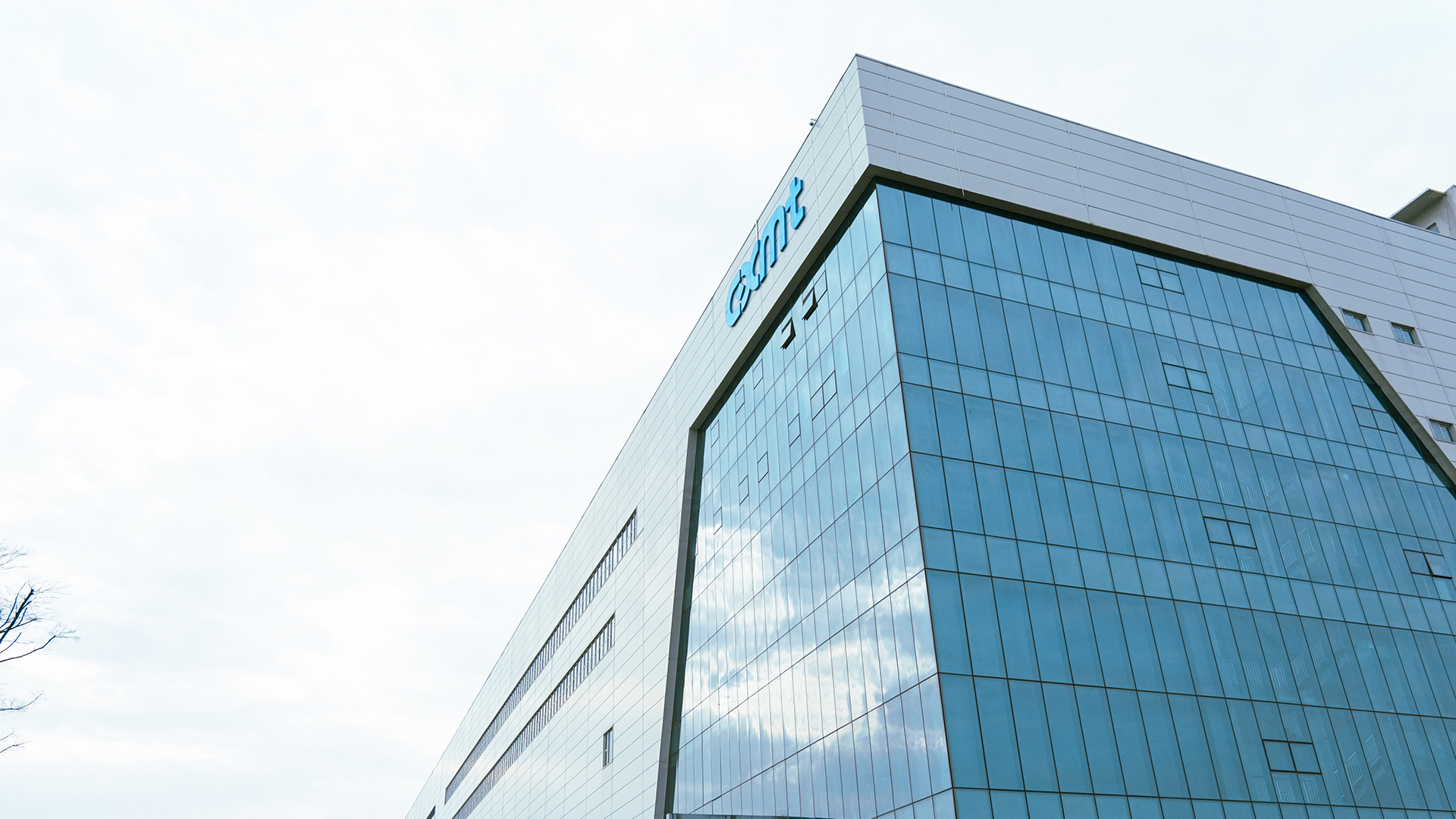
China's CXMT Shares Drop 7.8 Percent Despite Projected Profit Turnaround Driven by AI DRAM Shortages
Shares of Chinese memory chipmaker CXMT experienced a 7.8 percent decline despite the company issuing a positive profit forecast. The reported financial turnaround has been attributed directly to market conditions surrounding dynamic random-access memory, commonly known as DRAM. Specifically, CXMT highlighted that ongoing artificial intelligence-related shortages and rising DRAM prices have served as the primary catalysts supporting its improved profitability outlook. However, equity markets responded with a sharp 7.8 percent drop, demonstrating divergence between the firm's operational turnaround narrative and immediate investor sentiment. This development underscores the complex interplay between expanding artificial intelligence hardware demands, dynamic random-access memory market pricing, and investor reactions to corporate profit guidance.
Key Takeaways
- Stock Market Reaction: CXMT shares fell by 7.8 percent following recent disclosures, declining despite the presentation of an optimistic profit forecast.
- Profitability Turnaround: CXMT reported that its operational turnaround is primarily fueled by tightening supplies and higher pricing across the memory sector.
- Key Growth Drivers: The company explicitly identified artificial intelligence-related component shortages and increased prices for dynamic random-access memory (DRAM) as the core factors behind the turnaround.
- Market Divergence: A pronounced contrast has emerged between CXMT's projected profitability from memory price increases and the immediate negative market reaction reflected in the 7.8 percent share drop.
In-Depth Analysis
Market Reaction Versus Corporate Profit Guidance
The market performance of CXMT presented an apparent contradiction as shares fell 7.8 percent even though the company issued a profit forecast indicating financial recovery. In standard market conditions, guidance pointing to a financial turnaround typically bolsters equity performance. However, the 7.8 percent drop indicates that market participants may have factored in other considerations or reacted cautiously despite the favorable operational projections. The development reflects a notable disconnect between the internal profitability expectations communicated by CXMT and the external valuation adjustments executed by investors in the public markets.
The Impact of AI-Related Shortages on DRAM
According to statements from CXMT, the anticipated turnaround in its financial performance is anchored directly in artificial intelligence-related market shortages. Dynamic random-access memory (DRAM) is a fundamental component required for memory-intensive computing tasks, particularly those associated with artificial intelligence workloads. As artificial intelligence applications expand their hardware footprint, demand for dynamic random-access memory has outpaced supply, resulting in market-wide shortages. CXMT identified these specific shortages as a primary operational tailwind, positioning the company to benefit directly from supply-side tightness across the global semiconductor and AI hardware landscape.
Pricing Trajectory and Turnaround Fundamentals
In addition to supply constraints, CXMT cited higher prices for dynamic random-access memory (DRAM) as a vital catalyst underpinning its turnaround forecast. Elevated DRAM prices generally improve unit economics, bolster gross margins, and accelerate the transition toward profitability for semiconductor manufacturers. The combination of constrained DRAM inventory and rising average selling prices provides the structural foundation for CXMT's positive forecast. Nevertheless, despite the favorable pricing environment and reported operational momentum, the 7.8 percent share price reduction emphasizes that corporate forecasts driven by pricing cycles can still be met with skepticism or profit-taking in the equity markets.
Industry Impact
The developments surrounding CXMT provide critical insights into the broader artificial intelligence and memory hardware industries:
- AI Hardware Supply Constraints: The acknowledgment by CXMT that AI-related shortages are propelling its turnaround highlights the persistent strain on dynamic random-access memory supply generated by the rapid expansion of artificial intelligence infrastructure.
- DRAM Pricing Leverage: Rising DRAM prices demonstrate how artificial intelligence compute requirements are creating pricing tailwinds for memory fabricators, altering revenue trajectories across the semiconductor supply chain.
- Volatility in Semiconductor Equities: The 7.8 percent drop in CXMT's shares, occurring concurrently with a profit forecast, demonstrates the persistent volatility and divergent expectations facing memory producers even in an environment characterized by rising demand and component shortages.
Frequently Asked Questions
Why did CXMT's shares fall despite a positive profit forecast?
CXMT's shares dropped by 7.8 percent despite the company's profit forecast and reported turnaround. The original report confirms this decline took place in contrast to the company's positive guidance, illustrating a divergence between investor sentiment and CXMT's internal outlook.
What factors are driving CXMT's reported financial turnaround?
CXMT stated that its financial turnaround was driven by shortages related to artificial intelligence and higher market prices for dynamic random-access memory (DRAM).
What is DRAM and why is it significant to CXMT's performance?
DRAM stands for dynamic random-access memory. It is a critical memory technology whose rising prices and AI-driven availability constraints have formed the primary operational foundation for CXMT's profit turnaround forecast.


