
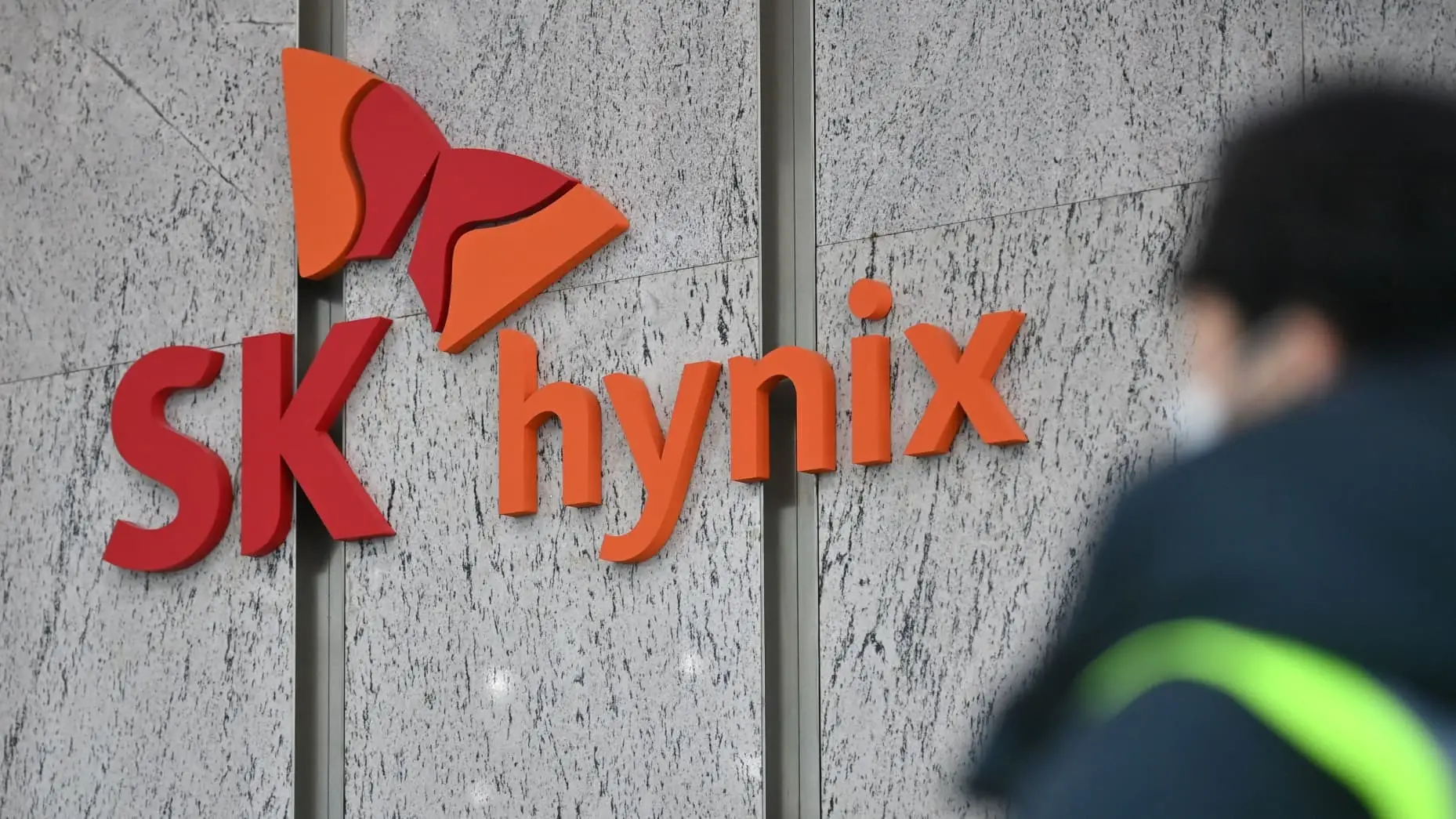
SK Hynix Shares Plunge Over 10 Percent as AI Market Jitters Impact Memory Chipmakers
Shares of South Korean semiconductor manufacturer SK hynix experienced a sharp downturn, falling by more than 10% amid rising jitters surrounding the artificial intelligence sector. Recognized as a critical supplier of high-bandwidth memory utilized in AI applications, the company's abrupt market drop highlights mounting investor sensitivity toward AI-linked equities. While high-bandwidth memory remains integral to AI infrastructure, broader market anxiety appears to be exerting downward pressure on core hardware suppliers. The sudden double-digit decline emphasizes the heightened volatility currently affecting semiconductor companies tied directly to the artificial intelligence boom, demonstrating how quickly market sentiment can shift across the global tech hardware landscape without immediate changes to foundational supply relationships.
Key Takeaways
- Significant Market Decline: Shares of South Korea-based memory chipmaker SK hynix plunged by more than 10% in recent trading.
- Direct Exposure to Artificial Intelligence: SK hynix serves as a prominent supplier of high-bandwidth memory, a crucial hardware component used in AI systems.
- Broader Sector Uncertainty: The sharp downturn occurred as prevailing market jitters surrounding artificial intelligence began to hit technology stocks.
- Volatility in Hardware Supply Chains: The steep drop underscores the pronounced vulnerability of advanced AI hardware suppliers to sudden shifts in investor confidence.
In-Depth Analysis
The Anatomy of the Double-Digit Drop
The market retreat of South Korean memory manufacturer SK hynix represents a notable shock to semiconductor valuations. Dropping by more than 10%, the equity movement demonstrates how quickly sentiment can turn in the hardware sector. In typical market conditions, established chip manufacturers rarely experience intraday or single-session losses exceeding ten percent without substantial macro or sector-wide pressures. In this instance, the catalyst centers squarely on broader AI jitters that have started permeating financial markets, triggering a swift sell-off among key players associated with artificial intelligence computing infrastructure.
Because SK hynix is headquartered in South Korea and operates at the center of the regional semiconductor ecosystem, a drop of this magnitude carries considerable weight. Memory manufacturers operate with capital-intensive cycles, making equity valuations particularly responsive to perceptions of demand, capacity, and market exuberance. When investors begin to question the immediate trajectory of the AI boom, hardware companies that have enjoyed strong valuations are frequently the first to experience corrective pressure.
High-Bandwidth Memory and the AI Ecosystem
A critical element in understanding SK hynix's positioning is its identity as a key supplier of high-bandwidth memory used in AI workloads. High-bandwidth memory has become indispensable for the development and operation of advanced artificial intelligence applications. Unlike conventional computing paradigms, AI models demand immense throughput and rapid data retrieval, making specialized memory architectures vital to operational performance.
Because high-bandwidth memory is central to artificial intelligence accelerators, SK hynix's operational footprint has been inextricably bound to the overall health and enthusiasm surrounding the AI industry. When optimism reigns, memory chipmakers specializing in these cutting-edge components attract heavy investor capital. Conversely, when sentiment cools or encounters friction—termed here as "AI jitters"—the very specialization that propelled enthusiasm can lead to exaggerated downward swings. The sudden decline reflects how concentrated market exposure in advanced AI memory technologies can translate into pronounced market fluctuations.
Interpreting Market Jitters Across AI-Linked Stocks
The reported slump was driven by wider "AI jitters" hitting stocks, pointing to a broader pattern of skepticism, rebalancing, or risk aversion among market participants. As artificial intelligence technologies mature, markets frequently undergo phases of consolidation where sky-high growth expectations meet critical scrutiny.
These jitters typically manifest when investors evaluate whether the pace of capital expenditure in AI infrastructure can be maintained over sustained horizons. Although the reported data focuses on the stock plunge itself, the context indicates that apprehension is not confined solely to software developers or consumer-facing AI products; it directly reaches upstream into the hardware and memory supply chains that build the foundational architecture of the modern AI ecosystem.
Industry Impact
The drop of more than 10% in SK hynix shares provides important insights into the present state of the global artificial intelligence sector. First and foremost, it proves that hardware providers are not insulated from volatility in end-market sentiment. High-bandwidth memory suppliers sit at the foundation of AI development, providing the physical capacity required for modern machine learning infrastructure. A pronounced sell-off in such a foundational provider signals that market jitters have permeated the core industrial base of AI computing.
Furthermore, this development underscores the systemic interconnection within international semiconductor markets. As South Korea represents a central hub for global memory fabrication, sharp downward price adjustments in domestic market leaders highlight the degree to which regional tech hubs are tied to global investor appetite for artificial intelligence. If sentiment surrounding AI remains fragile, volatility across specialized hardware manufacturers is likely to remain elevated, prompting broader caution across technology supply chains.
Frequently Asked Questions
What happened to SK hynix's stock price?
Shares of South Korean memory chipmaker SK hynix suffered a steep decline, plunging by more than 10% during trading amid widespread AI-related market jitters.
What role does SK hynix play in the artificial intelligence industry?
SK hynix functions as a major memory chipmaker that supplies high-bandwidth memory, an essential hardware component utilized in artificial intelligence workloads and advanced computing systems.
Why are AI jitters affecting hardware and memory chipmakers?
Because suppliers of high-bandwidth memory are tightly tied to the growth and deployment of AI infrastructure, changes in general investor sentiment or concerns surrounding the artificial intelligence market can quickly trigger sell-offs in upstream hardware companies.


