Singapore Security Firm V-Key Takes Stake in CloudsineAI to Unify Cryptographic Identity and AI Defense
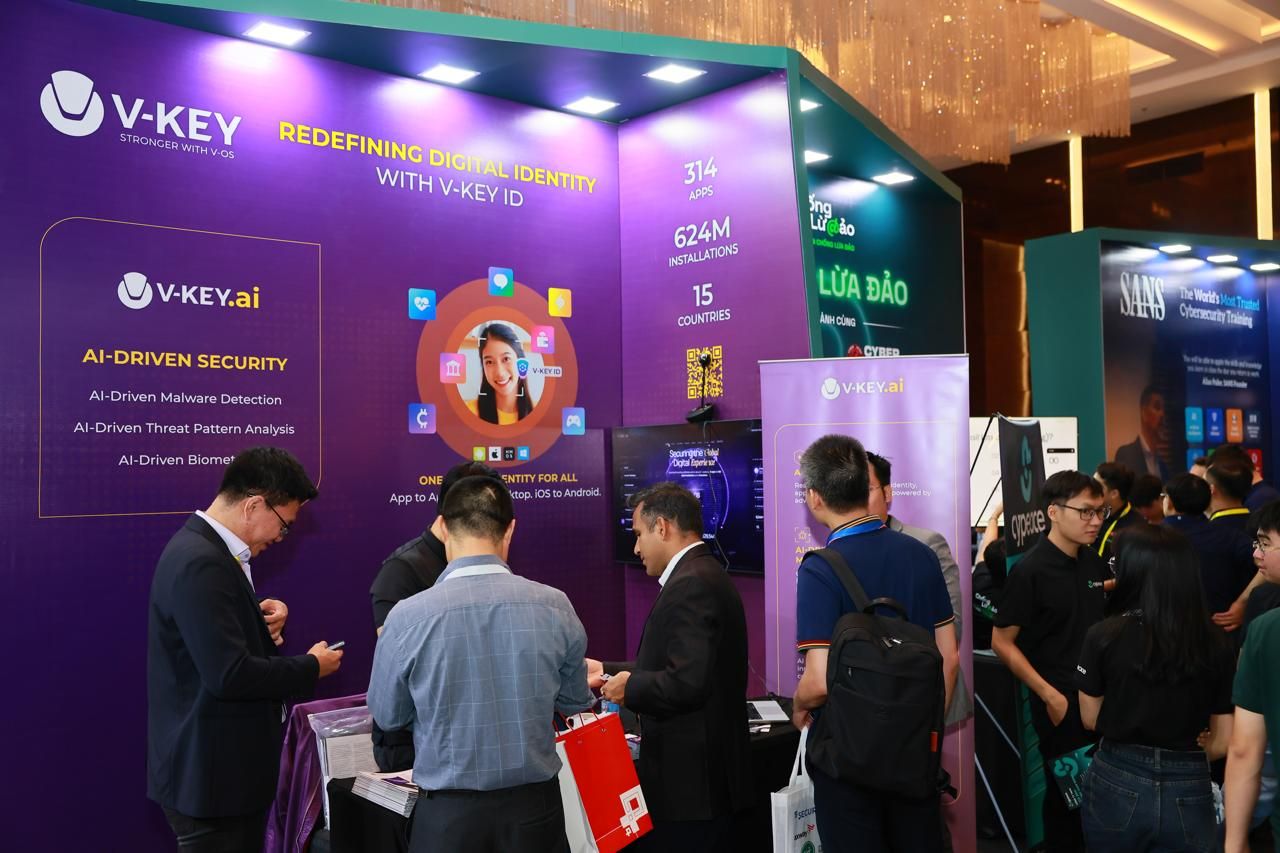
Singapore-based digital security firm V-Key has officially taken a stake in CloudsineAI, marking a significant strategic move aimed at unifying digital trust with artificial intelligence defenses. Under the agreement, the two technology companies announced plans to integrate V-Key's established identity verification and cryptographic tools directly with CloudsineAI's web integrity and dedicated AI security solutions. By joining forces, the organizations aim to deliver an integrated defense architecture capable of safeguarding both traditional web infrastructure and modern artificial intelligence environments. While specific transactional figures and financial valuations were not disclosed in the initial report, the collaboration highlights an intensifying industry focus on combining identity verification with AI-specific cybersecurity tools to mitigate emerging technological threats across mission-critical systems.
Key Takeaways
- Strategic Equity Stake: Singapore-based cybersecurity firm V-Key has taken an equity stake in CloudsineAI, establishing a direct corporate and technical alignment between the two technology companies.
- Combined Security Capabilities: The organizations announced that they will combine V-Key's proprietary identity and cryptography tools with CloudsineAI's specialized web integrity and artificial intelligence security products.
- Bridging Identity and AI Safety: The collaboration addresses an emerging requirement in enterprise cybersecurity: pairing cryptographic authentication and robust digital identity controls with AI-centric defense architectures.
- Undisclosed Financial Terms: Consistent with the initial announcement, specific transaction details—including the exact size of the stake, corporate valuation, and financial consideration—remain undisclosed.
In-Depth Analysis
Uniting Cryptography and Identity with AI Security
The decision by Singapore cybersecurity firm V-Key to take a stake in CloudsineAI marks an important development in the evolution of enterprise defense mechanisms. Modern cybersecurity architectures have historically separated identity governance from application and content integrity. However, as artificial intelligence systems become more deeply integrated into enterprise workflows, the attack surface expands significantly. V-Key brings to the partnership a strong technological foundation in digital identity verification and cryptography. These cryptographic tools provide the fundamental verification protocols necessary to establish trust, manage credentials, and protect data privacy across digital platforms.
By integrating these cryptographic mechanisms with CloudsineAI's artificial intelligence security products, the two companies are positioning themselves to address vulnerabilities unique to the AI lifecycle. Artificial intelligence models, algorithmic processing pipelines, and autonomous computational agents require rigorous verification to prevent unauthorized access, model manipulation, and data exfiltration. Pairing V-Key's cryptographic foundation with AI-specific defense tools enables a cohesive security framework where identity serves as the verification anchor for all automated interactions and intelligence workflows.
Fortifying Web Integrity in the Age of Automated Workloads
Beyond artificial intelligence security, the announced collaboration explicitly highlights CloudsineAI's web integrity solutions. Web integrity technologies are critical for ensuring that online interfaces, web applications, and digital platforms remain tamper-proof, accessible, and resistant to unauthorized alterations or malicious injection. In many enterprise environments, web interfaces serve as the primary entry point for users interacting with underlying AI models and corporate databases. If web integrity is compromised, even the most sophisticated backend algorithms become vulnerable to interception, manipulation, and unauthorized command execution.
Combining V-Key's identity and cryptography tools with CloudsineAI's web integrity platform addresses this vulnerability directly. When web integrity mechanisms are backed by robust cryptographic tools and verifiable identity management, organizations can establish a tamper-resistant environment from the frontend interface down to the backend intelligence layer. This integration ensures that digital assets presented to end users reflect authentic system outputs, while simultaneously protecting web endpoints from automated attacks, unauthorized script injections, and systemic breaches.
The Strategic Value of Equity-Backed Technology Integration
The transaction represents more than an informal commercial distribution alliance or reseller partnership; V-Key's acquisition of an equity stake underscores a deep, long-term strategic commitment to joint technical integration. By taking an ownership position in CloudsineAI, V-Key aligns its corporate trajectory with CloudsineAI's product roadmap. Equity investments of this nature often facilitate closer engineering collaboration, shared intellectual property development, and accelerated joint go-to-market strategies.
Rather than building standalone AI security and web integrity products from the ground up, V-Key accelerates its exposure to the rapidly expanding AI defense vertical through CloudsineAI. Simultaneously, CloudsineAI gains strategic backing and access to proven cryptographic and identity architectures that can enhance the resilience and market viability of its existing portfolio. This synergistic approach allows both Singapore-based companies to present a consolidated, highly differentiated value proposition to enterprise clients looking for end-to-end security covering both identity validation and automated intelligence.
Industry Impact
Redefining the Parameters of Enterprise AI Security
The union of V-Key and CloudsineAI reflects an important turning point for the broader artificial intelligence and cybersecurity industries. Historically, the security conversation surrounding artificial intelligence focused largely on data privacy and ethical alignment. As AI models become operationalized in production environments, however, the industry faces severe technical security hurdles, including model poisoning, adversarial inputs, data leakage, and unauthorized agent behavior.
Addressing these complex challenges requires more than traditional perimeter firewalls. It demands a holistic security architecture that embeds cryptographic trust and deterministic identity controls directly into AI systems. The initiative between V-Key and CloudsineAI exemplifies this architectural shift. By establishing that AI security tools should be tightly coupled with cryptographic verification and web integrity, the partnership sets a precedent for how specialized cybersecurity providers must adapt to support modern enterprise infrastructures.
Bolstering Regional and Global Cybersecurity Ecosystems
As digital transformation accelerates across the Asia-Pacific region and worldwide, enterprises and public sector institutions are grappling with stringent regulatory standards and increasingly sophisticated cyber threats. Singapore has established itself as a leading global cybersecurity and technology hub, fostering indigenous innovations designed to meet high compliance thresholds. The strategic alignment between V-Key and CloudsineAI strengthens the regional ecosystem by offering locally developed, integrated security solutions capable of competing on an international stage.
Moreover, the combination of identity verification, cryptography, web integrity, and AI security directly addresses the compliance and governance requirements increasingly emphasized by regulatory bodies. Regulated industries—such as banking, healthcare, and critical infrastructure—require verifiable assurance before implementing AI solutions at scale. By embedding cryptographic identity mechanisms alongside AI security products, the combined offering provides organizations with the auditing and defensive assurances needed to responsibly scale AI implementations across mission-critical domains.
Frequently Asked Questions
What did Singapore security firm V-Key announce regarding CloudsineAI?
V-Key announced that it has taken an equity stake in fellow Singapore-based security firm CloudsineAI. Along with the investment, the companies announced their intention to combine V-Key's identity and cryptography tools with CloudsineAI's web integrity and artificial intelligence security products into a unified defensive offering.
How do V-Key's cryptography tools complement CloudsineAI's AI security products?
V-Key's tools specialize in digital identity and cryptographic protection, which establish verified trust and credential management. By combining these capabilities with CloudsineAI's web integrity and AI security products, the two companies can create a unified security layer that protects web interfaces, authenticates interactions with AI systems, and guards against automated threats and unauthorized system access.
Were the financial terms or valuation details of the transaction disclosed?
No. In accordance with the initial report, neither company disclosed the specific financial terms, valuation, or the exact percentage size of the equity stake acquired by V-Key. The companies focused their announcement on the strategic combination of their respective product portfolios.