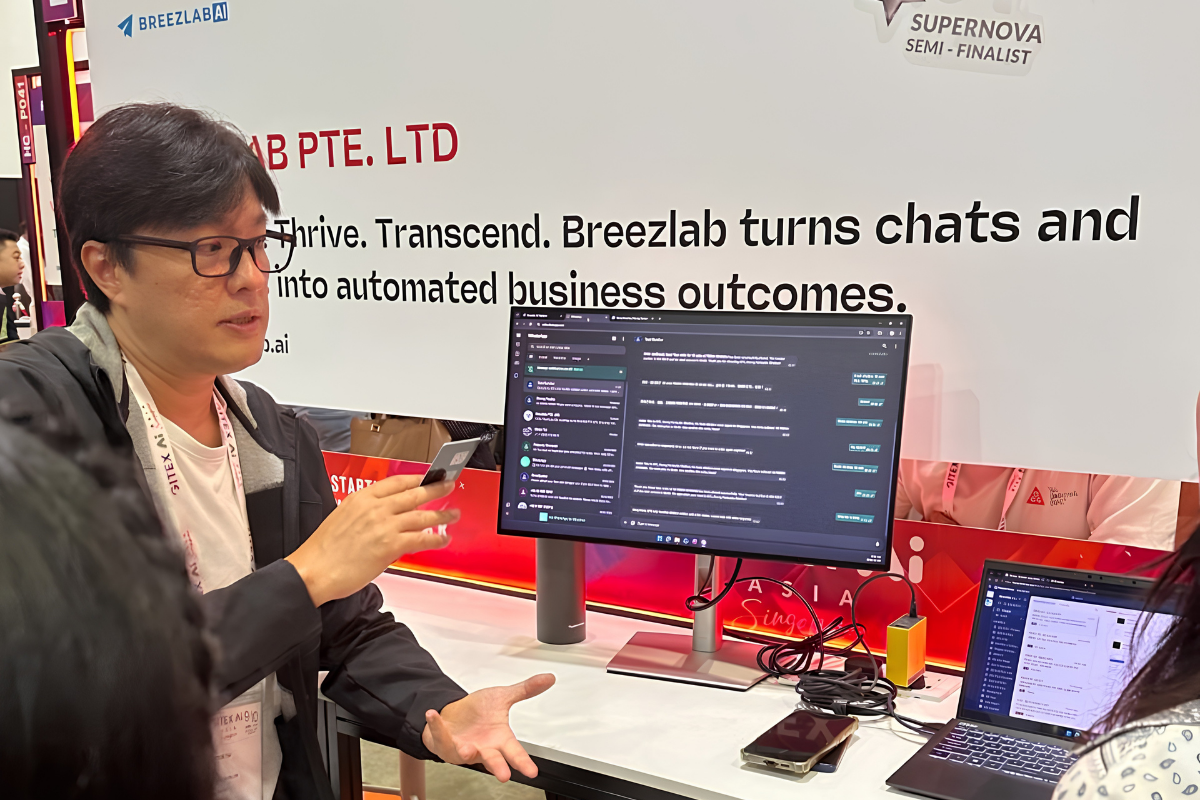
Breezlab Bridges Enterprise ERP Disconnect by Automating WhatsApp Workflows and Document Processing for SMEs
Enterprise resource planning (ERP) systems often clash with daily operational realities, creating friction for small and medium-sized enterprises (SMEs). While frontline staff regularly communicate, coordinate purchases, and approve tasks via chat platforms like WhatsApp, they are traditionally forced to manually enter that information into complex software. Breezlab addresses this operational disconnect by deploying artificial intelligence directly within messaging workflows. Through dedicated solutions including BreezChat and BreezDoc, the platform converts conversational inputs and unstructured documents into structured enterprise data. By automating routine ordering, approval paths, and invoice management, Breezlab enables SMEs to leverage enterprise-grade workflow automation without overhauling daily work habits or enduring costly software onboarding.
Key Takeaways
- Bridging the ERP Usability Gap: Breezlab addresses the widespread operational mismatch where employees communicate through chat applications but must manually re-enter data into complex ERP software.
- Conversational Task Automation: The platform uses AI to transform natural WhatsApp conversations into structured business actions, covering approvals, order coordination, and customer requests.
- Integrated Document Processing: Through tools like BreezDoc, unstructured forms and invoices are automatically extracted and transformed into structured data suitable for core enterprise databases.
- SME-Centric Accessibility: By embedding intelligence into the communication channels teams already use every day, small and medium enterprises can automate operational workflows without steep technical friction.
In-Depth Analysis
The Mismatch Between Enterprise Software and Real-World Workflows
Enterprise resource planning (ERP) platforms have long served as the central backbone for accounting, inventory management, and corporate reporting. However, a persistent divide exists between how enterprise systems are architected and how frontline personnel execute their daily work. While enterprise software demands structured input fields, rigid menus, and multi-step manual data entry, the modern workforce—especially within small and medium-sized enterprises (SMEs)—relies heavily on informal, rapid communication channels such as WhatsApp.
In typical SME operations, critical business transactions begin and unfold inside messaging threads. Employees negotiate supplier quotes, verify order requirements, and confirm internal approvals within chat groups. Once an agreement is reached, however, employees face the redundant chore of transferring these details manually into legacy software systems. This manual handoff creates operational friction, consumes valuable staff hours, and introduces significant opportunities for data entry errors. Breezlab was established specifically to solve this structural discrepancy by aligning enterprise automation with existing human behavioral patterns.
Transforming Chat Conversations into Structured Enterprise Tasks
Rather than forcing operational teams to abandon their preferred messaging tools, Breezlab integrates artificial intelligence directly into the messaging layer. Through solutions like BreezChat, incoming conversational dialogue on WhatsApp is analyzed, interpreted, and mapped to concrete enterprise actions. The system is designed to identify operational intent, extract transaction details, and automatically trigger corresponding downstream actions such as issuing purchase orders, logging approvals, or routing operational tasks.
This approach eliminates the administrative bottleneck of copy-pasting data between mobile chat interfaces and complex enterprise platforms. Staff can discuss operations with suppliers, colleagues, and customers as they normally would, while AI handles the structured data governance in the background. Because approvals and confirmations occur within familiar conversation threads, managers and staff can review and authorize critical requests on mobile devices without logging into complex desktop software suites.
Streamlining Document Ingestion and Data Standardization
Beyond conversational management, SME workflows remain weighed down by unstructured documents such as purchase orders, PDF invoices, paper delivery slips, and intake forms. Converting these varied formats into ERP-ready records typically requires tedious human transcription.
Breezlab tackles this operational challenge through BreezDoc, an automated document processing system that parses inbound forms and invoices into clean, structured records. By pairing optical recognition and natural language processing, the tool captures relevant transactional fields—including line items, quantities, vendor details, and payment terms—and formats them directly for enterprise systems. When combined with conversational automation, businesses can ingest an invoice or order document directly from a WhatsApp chat and seamlessly execute the matching enterprise workflow.
Industry Impact
Redefining Enterprise UX Through Conversational Interfaces
The emergence of chat-driven workflow automation represents an important structural shift in enterprise software design. For decades, software adoption has required comprehensive user training, interface customization, and mandatory compliance protocols. By turning pervasive communication apps into operational execution surfaces, platforms like Breezlab demonstrate that the interface layer can adapt to human habits rather than requiring users to adapt to rigid database architectures.
This transition points toward an ecosystem where conversational interfaces serve as an abstraction layer across disparate back-end databases. Instead of navigating separate user interfaces for inventory, customer management, and accounting, employees can trigger complex back-office automations using plain-language instructions within chat tools.
Accelerating AI Adoption for Small and Medium Businesses
While multinational corporations possess the capital to deploy custom machine learning integrations and dedicated business process automation consultants, SMEs frequently struggle to implement advanced AI capabilities. Obstacles such as expensive licensing, legacy technical debt, and limited in-house IT expertise often hinder digital transformation initiatives.
Solutions that embed practical AI capabilities into everyday communication platforms significantly lower the entry barrier for resource-constrained businesses. By automating mundane paperwork, manual document transcription, and multi-stage approvals directly via WhatsApp, SMEs can achieve measurable operational efficiency gains without undertaking costly, high-risk ERP migration projects.
Frequently Asked Questions
What primary operational problem does Breezlab aim to solve?
Breezlab targets the operational disconnect between rigid enterprise software and real-world communication habits. While staff routinely coordinate approvals, sales orders, and customer queries on WhatsApp, they often spend significant time re-entering that data into separate, complex ERP software. Breezlab bridges this gap by automatically converting chat interactions into business tasks.
What are the main capabilities of Breezlab's core products?
Breezlab focuses on operational automation through tools such as BreezChat and BreezDoc. BreezChat interprets conversational exchanges on platforms like WhatsApp to automate approvals, ordering, and service tasks. BreezDoc processes unstructured business documents, such as invoices and forms, transforming them into structured data formats suitable for integration into enterprise systems.
Why is WhatsApp integration critical for SME business operations?
In many business environments, especially among SMEs, WhatsApp is already the default operational channel for communicating with clients, team members, and suppliers. Embedding AI automation directly into WhatsApp allows companies to modernize their workflows and eliminate manual data entry without requiring staff to undergo steep learning curves or adapt to unfamiliar software dashboards.