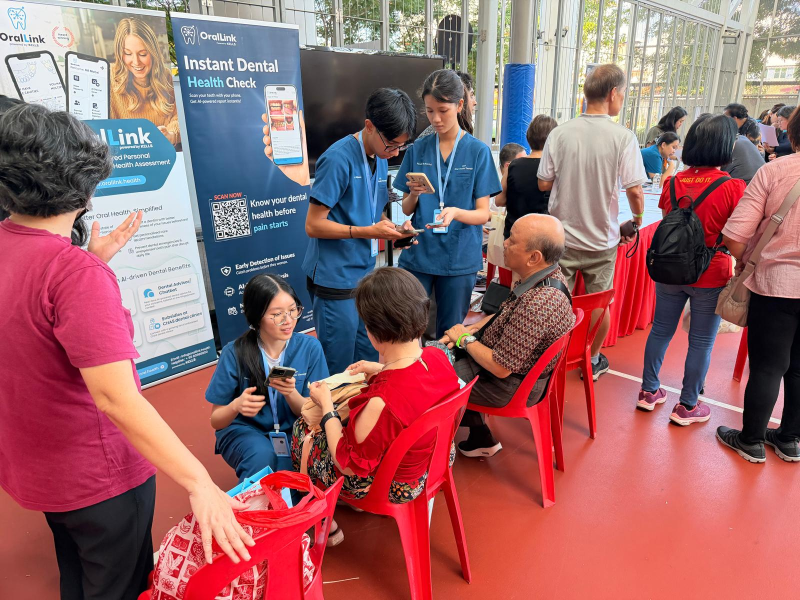
Singapore’s First HSA-Registered AI Dental Screening Tool: Oral Link Sets New Healthtech Milestone
Oral Link, a Singapore-based dental AI startup, has achieved a significant regulatory milestone with the Health Sciences Authority (HSA). The company's AI dental screening tool has become the first of its kind to be registered by the HSA for direct consumer use in Singapore. This development marks a pivotal shift in how dental health can be monitored, moving diagnostic-level AI technology directly into the hands of consumers. By securing this registration, Oral Link establishes a precedent for AI-driven healthtech in the region, potentially streamlining early dental issue detection and improving oral health accessibility for the general public. The registration signifies a major step forward for the startup and the broader healthtech ecosystem in Southeast Asia.
Key Takeaways
- Regulatory Milestone: Oral Link has successfully registered its AI dental screening tool with the Singapore Health Sciences Authority (HSA).
- Market First: This tool is officially recognized as Singapore’s first HSA-registered AI dental screening solution designed for direct consumer use.
- Local Innovation: Oral Link is a Singapore-based startup, highlighting the growth of the domestic healthtech and AI sector.
- Consumer Empowerment: The registration marks a shift toward providing advanced AI diagnostic tools directly to the public rather than limiting them to clinical environments.
In-Depth Analysis
A Landmark Regulatory Achievement in Singapore
The registration of Oral Link’s AI dental screening tool by the Health Sciences Authority (HSA) represents a critical juncture for the medical technology landscape in Singapore. As the primary regulatory body for health products in the country, the HSA maintains rigorous standards for safety, efficacy, and quality. For an AI-driven tool to receive this registration, it must undergo a thorough evaluation process to ensure that its algorithms and screening capabilities meet the high benchmarks required for public health use.
Oral Link’s achievement is particularly noteworthy because it is the first AI dental tool in Singapore to be cleared specifically for direct consumer use. Traditionally, advanced screening and diagnostic tools have been the exclusive domain of professional dental clinics. By securing HSA registration, Oral Link has demonstrated that its technology is sufficiently robust and user-friendly for the general public to operate independently. This move not only validates the technical maturity of Oral Link’s AI but also reflects a progressive regulatory environment in Singapore that is increasingly open to integrating artificial intelligence into the consumer healthcare journey.
The Shift Toward Direct-to-Consumer AI Healthcare
The designation of Oral Link’s tool for "direct consumer use" is a significant detail that points toward a broader trend in the healthtech industry: the democratization of healthcare through AI. By allowing consumers to perform initial dental screenings themselves, the tool acts as a bridge between home care and professional intervention. This model of care encourages proactive health monitoring, where individuals can identify potential issues before they escalate into more serious conditions requiring intensive treatment.
For a startup like Oral Link, being the first to market with an HSA-registered consumer tool provides a substantial competitive advantage. It establishes a high barrier to entry for other firms and builds immediate trust with a consumer base that is increasingly looking for digital health solutions. The ability for a user to conduct a screening from their own device, backed by the assurance of government registration, addresses common barriers to dental care such as cost, time, and dental anxiety. This shift suggests that the future of oral health in Singapore will be characterized by a more integrated approach, where AI-driven self-screening becomes a standard precursor to professional dental visits.
Industry Impact
The registration of Oral Link’s AI tool has far-reaching implications for the dental and AI industries in Southeast Asia. Firstly, it sets a regulatory precedent. Other healthtech startups will likely look to Oral Link’s success as a roadmap for navigating the HSA’s requirements for AI-based medical devices. This could lead to an influx of similar consumer-facing AI tools across various medical specialties, further solidifying Singapore’s position as a regional hub for healthtech innovation.
Secondly, the dental industry may see a change in patient behavior. With accessible screening tools, patients are likely to arrive at dental clinics better informed about their oral health status. This could lead to higher rates of early intervention and a shift in the role of the dentist from primary detector to a more specialized provider of treatment and complex diagnostics. For the AI industry, this news reinforces the viability of computer vision and machine learning in practical, high-stakes healthcare applications, proving that AI can move beyond research labs and into the daily lives of citizens.
Frequently Asked Questions
Question: What is Oral Link?
Oral Link is a Singapore-based dental AI startup that focuses on developing technology for dental health screening and diagnostics.
Question: What is the significance of the HSA registration for Oral Link?
The HSA registration is significant because it makes Oral Link's tool the first AI dental screening tool in Singapore officially cleared for direct use by consumers, ensuring it meets national safety and efficacy standards.
Question: How does this tool change dental care for consumers in Singapore?
It allows consumers to perform their own dental screenings using AI technology, potentially identifying issues early and making oral health monitoring more accessible and convenient without needing an immediate clinic visit.