
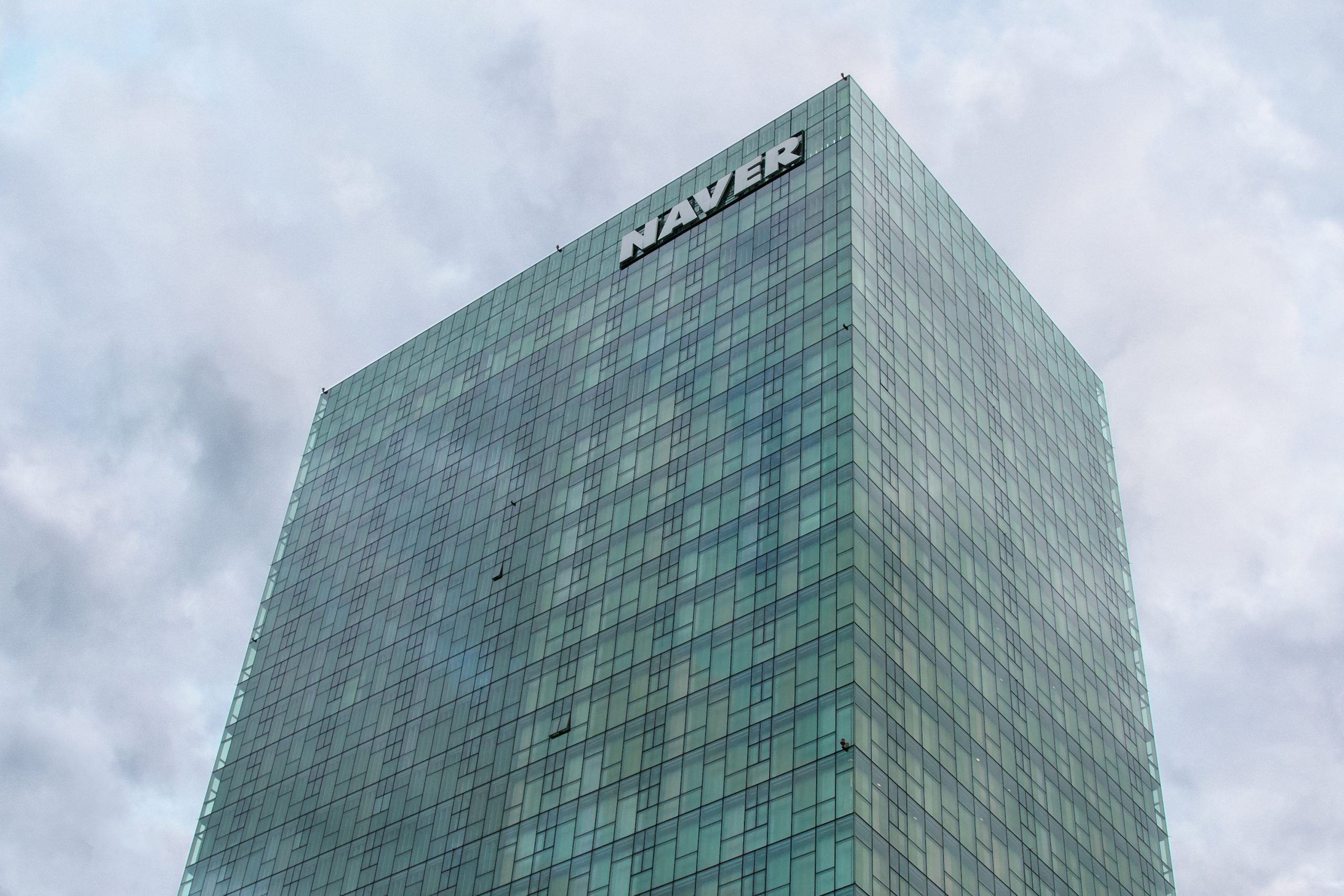
Naver and Brookfield Accelerate $9 Billion AI Factory Project in South Korea
Brookfield Asset Management has committed to a massive investment of up to $9 billion to develop an "AI factory" in South Korea in partnership with Naver. The investment is specifically allocated for the initial 200-megawatt phase of development at Naver’s Gak Sejong data center, located in Sejong City. This collaboration highlights a significant shift toward high-capacity, AI-optimized infrastructure in the region. By focusing on a 200-megawatt scale, the project aims to provide the substantial power and processing capabilities required for modern artificial intelligence workloads. The agreement between the global asset manager and the South Korean tech giant represents one of the largest infrastructure commitments in the local AI sector to date.
Key Takeaways
- Massive Capital Injection: Brookfield is investing up to $9 billion into the project.
- High-Capacity Infrastructure: The initial phase focuses on a 200-megawatt power capacity.
- Strategic Location: The development is centered at Naver’s Gak Sejong data center in Sejong City, South Korea.
- Collaborative Effort: The project is a joint acceleration effort between Naver and Brookfield Asset Management.
- AI-Centric Design: The facility is specifically categorized as an "AI factory," distinguishing it from traditional data storage centers.
In-Depth Analysis
The Financial Magnitude of the $9 Billion Investment
The agreement between Brookfield and Naver represents a landmark financial commitment in the field of technology infrastructure. By pledging up to $9 billion, Brookfield is signaling a high level of confidence in the demand for specialized AI processing environments. This capital is directed toward the "initial phase" of the project, suggesting that the $9 billion is only the starting point for a potentially larger, multi-stage development. The scale of this investment reflects the high costs associated with building modern AI factories, which require specialized cooling, high-density power distribution, and advanced structural engineering to support the next generation of computing hardware.
Technical Specifications: The 200-Megawatt Phase
A critical component of this announcement is the focus on a 200-megawatt (MW) capacity for the initial phase. In the context of data center infrastructure, 200MW represents a significant power draw, typically reserved for "hyperscale" facilities. The transition from traditional data centers to "AI factories" necessitates this level of power to support the intensive energy requirements of AI model training and inference. By establishing a 200MW foundation at the Gak Sejong site, Naver and Brookfield are ensuring that the infrastructure can handle the high-density workloads that define the current AI era. This phase sets a technical benchmark for future expansions at the Sejong City location.
Strategic Infrastructure at Gak Sejong
The choice of Naver’s Gak Sejong data center in Sejong City as the site for this AI factory is strategically significant. As an existing hub for Naver's data operations, Gak Sejong provides the necessary geographical and logistical foundation for such a massive expansion. The collaboration leverages Naver's established presence in the South Korean tech ecosystem and Brookfield's global expertise in infrastructure investment. By accelerating this project, both entities are positioning Sejong City as a primary node for AI infrastructure in South Korea, focusing on the physical requirements—land, power, and connectivity—needed to sustain large-scale AI operations.
Industry Impact
The acceleration of the $9 billion AI factory project has profound implications for the AI industry, particularly regarding the physical layer of technology. The shift from general-purpose data centers to specialized "AI factories" indicates that the industry is moving toward a model where infrastructure is purpose-built for machine learning and massive data processing.
Furthermore, the partnership between a major tech firm like Naver and a global asset manager like Brookfield demonstrates a growing trend of institutional capital flowing into the AI sector. This project sets a precedent for how large-scale AI infrastructure can be financed and developed through international cooperation. The 200MW capacity also establishes a new standard for regional AI infrastructure, potentially prompting other players in the market to scale their power and processing capabilities to remain competitive in the rapidly evolving AI landscape.
Frequently Asked Questions
Question: How much is Brookfield investing in the Naver AI factory project?
Brookfield has agreed to invest up to US$9 billion in the project. This investment is specifically targeted at the initial phase of the development.
Question: Where is the new AI factory located?
The project is located at Naver’s Gak Sejong data center in Sejong City, South Korea.
Question: What is the power capacity of the initial phase of the project?
The initial phase of the AI factory is designed to have a 200-megawatt capacity, catering to the high power demands of artificial intelligence workloads.

