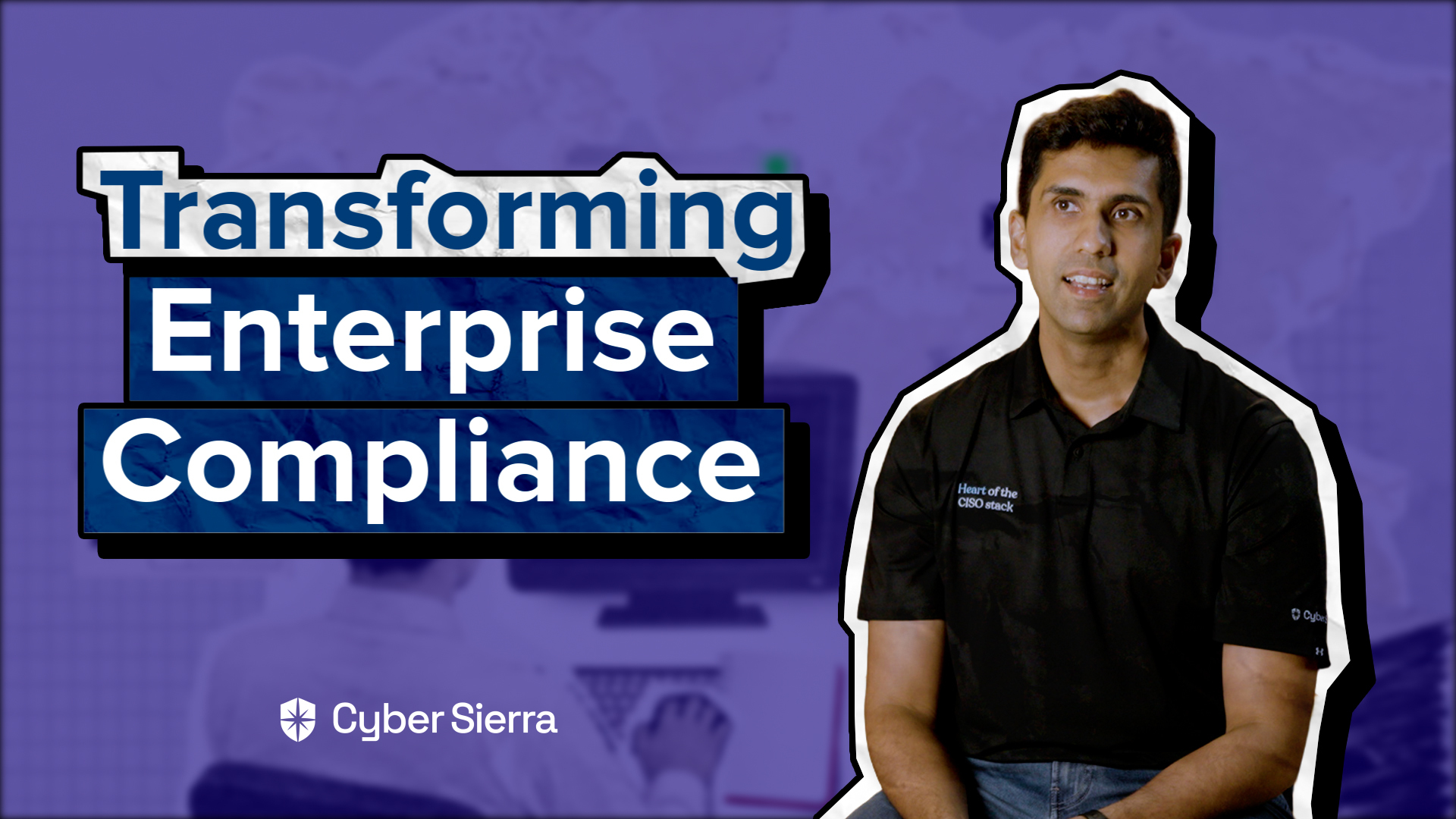
AI Analysts Revolutionizing Enterprise Compliance: How Minutes and Days are Replacing Weeks of Manual Auditing
A significant shift is occurring in the field of enterprise compliance and auditing as AI analysts begin to replace traditional manual processes. According to recent insights, these AI-driven systems are capable of reducing the time required for comprehensive audits from several weeks to just a few days, or even minutes in some instances. Beyond the dramatic increase in speed, AI analysts provide a critical safety net by identifying complex risks and anomalies that human teams, often hindered by fatigue and the sheer volume of data, might overlook. This transition not only streamlines operational workflows but also enhances the overall security and regulatory adherence of large-scale organizations by providing a level of consistency and depth that manual labor cannot match.
Key Takeaways
- AI analysts are drastically shortening the duration of enterprise compliance audits, moving from a scale of weeks to just days.
- The technology excels at identifying complex risks that human teams might overlook due to fatigue or the sheer volume of data.
- This transition represents a fundamental shift in how enterprises approach regulatory requirements and internal oversight.
- AI integration provides a more consistent and thorough analysis compared to traditional manual methods, ensuring higher accuracy in risk detection.
In-Depth Analysis
The Acceleration of Compliance: From Weeks to Days
The traditional landscape of enterprise compliance has long been defined by its labor-intensive nature. Auditing large-scale organizations typically involves the manual review of thousands of documents, financial records, and operational logs. This process, when handled by human teams, frequently spans several weeks, involving significant man-hours and logistical coordination. However, the introduction of AI analysts has fundamentally altered this timeline. By leveraging high-speed data processing and automated pattern recognition, these AI systems can ingest and analyze vast datasets in a fraction of the time required by manual labor.
This transition from "weeks to days" is not merely a matter of speed but a transformation of the auditing workflow. Where human analysts might spend days just organizing and cross-referencing data, AI analysts can categorize and flag anomalies almost instantaneously. This allows the enterprise to move from a reactive stance—where audits are a slow, retrospective look at past performance—to a more agile framework. In this new environment, compliance checks can be performed with much higher frequency and significantly less operational friction, allowing businesses to address potential issues in near real-time rather than discovering them weeks after the fact.
Superior Risk Detection and the Human Factor
One of the most critical advantages of AI analysts is their ability to "spot the risks tired human teams miss." Human error is an inherent factor in manual auditing, particularly when teams are tasked with repetitive, high-volume data review. Fatigue, cognitive bias, and the overwhelming scale of modern enterprise data can lead to oversight, where subtle indicators of risk or non-compliance go unnoticed. As human teams work through thousands of line items, their ability to maintain peak attention naturally diminishes, creating gaps in the audit's effectiveness.
AI analysts, conversely, do not suffer from fatigue or diminished attention spans. They apply the same rigorous level of scrutiny to the first document as they do to the millionth. By utilizing advanced algorithms, these systems can detect non-linear patterns and correlations that might be invisible to the human eye. This capability ensures a more robust risk management profile for the enterprise. The AI can identify potential issues that fall outside of standard human-defined parameters or those that are buried deep within complex data structures, providing a comprehensive safety net that supports the work of human professionals.
The Evolution of the Auditing Workflow
The integration of AI analysts represents an "inside look" into the future of corporate governance. The workflow is shifting from a manual search for errors to a targeted review of AI-generated flags. This allows the human element of the audit team to focus on high-level interpretation and strategic decision-making rather than the rote task of data verification. By automating the most tedious aspects of the compliance process, enterprises can allocate their human capital toward solving the complex problems that the AI identifies, creating a more efficient and effective division of labor.
Industry Impact
The shift toward AI-driven compliance and auditing has profound implications for the broader industry. As enterprises increasingly adopt these tools, the standard for regulatory "due diligence" is likely to rise. Companies that continue to rely solely on manual processes may find themselves at a competitive disadvantage, both in terms of operational costs and their ability to mitigate risk effectively. The speed at which an organization can verify its compliance status is becoming a key metric of operational health.
Furthermore, this evolution changes the professional landscape for auditors and compliance officers. The demand is shifting toward individuals who can manage and interpret AI systems, blending traditional regulatory knowledge with technological proficiency. This synergy between human expertise and AI efficiency is setting a new benchmark for corporate governance, ensuring that enterprises can keep pace with the rapidly changing regulatory environments of the modern world. The reduction of audit timelines from weeks to days is just the beginning of a broader trend toward total digital transformation in enterprise oversight.
Frequently Asked Questions
How does AI reduce the time required for enterprise audits?
AI reduces audit time by automating the data ingestion and analysis phases. It can process vast amounts of information simultaneously, identifying patterns and anomalies in minutes that would take human teams weeks to manually cross-reference and verify.
Why are AI analysts better at spotting risks than human teams?
AI analysts are not subject to fatigue or the cognitive limitations that affect humans during repetitive tasks. They can maintain a consistent level of scrutiny across massive datasets and identify complex, subtle risks or non-linear patterns that might be overlooked by human auditors during a manual review.
Does the use of AI eliminate the need for human auditors?
While AI significantly accelerates the process and improves risk detection, it serves as a powerful tool to assist human teams. Human oversight remains essential for interpreting the context of the risks identified by the AI and for making final strategic decisions regarding compliance and corporate governance.