
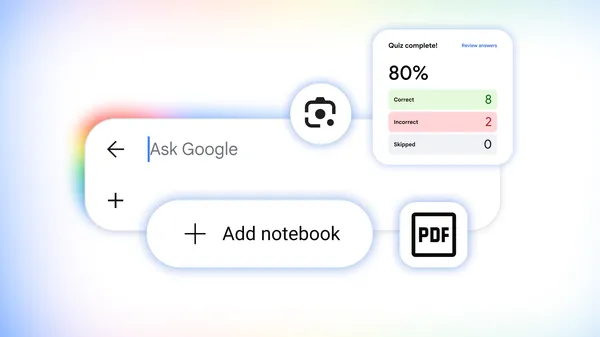
Google Search Enhances Educational Support with Five New Learning and Test Prep Tools
Google has announced a significant update to its Search platform, introducing five new features designed to assist students in their academic journeys. According to the Google AI Blog, these tools are specifically engineered to help users study for their regular classes and prepare for standardized tests. By integrating advanced learning aids directly into the search interface, Google aims to streamline the educational process for students globally. This update reflects a broader trend of search engines evolving from simple information retrieval systems into comprehensive functional environments that support complex tasks like exam preparation and academic research.
Key Takeaways
- Targeted Learning Support: Google Search has introduced five distinct methods to help students enhance their learning experience.
- Standardized Test Integration: The new tools are specifically designed to assist with preparation for high-stakes standardized testing.
- Classroom Utility: Beyond exams, the features are built to support day-to-day academic coursework and class study.
- Platform Evolution: This update marks a continued shift for Google Search toward becoming a direct educational resource rather than just a gateway to other websites.
In-Depth Analysis
Transforming Search into a Study Companion
The latest announcement from Google highlights a strategic shift in how the search engine interacts with student users. By introducing five new ways to 'level up' learning, Google is positioning its Search tool as a central hub for academic activity. The focus on 'classes and standardized tests' suggests that the platform is moving beyond providing quick answers to complex queries. Instead, it is offering structured support that aligns with the specific needs of students who are navigating formal education systems. This transition is significant because it reduces the friction between a student’s initial curiosity and their ability to master a subject for an upcoming evaluation.
Strategic Focus on Standardized Testing
A notable aspect of this update is the explicit mention of standardized tests. These examinations often require specific types of practice, including problem-solving techniques and familiarity with test formats. By tailoring Search tools to meet these requirements, Google is addressing a high-demand area of the educational market. Students often turn to specialized, and sometimes expensive, third-party platforms for test prep. By integrating these capabilities directly into the search bar, Google provides a more accessible entry point for learners, potentially democratizing access to high-quality study aids that were previously siloed within dedicated educational software.
Enhancing Academic Workflow
The integration of these tools into the standard search interface suggests an emphasis on workflow efficiency. For students, the ability to transition from a general search to a specific study mode without leaving the platform is a major advantage. This 'leveling up' of Search tools implies that the features are more than just cosmetic updates; they likely involve deeper algorithmic or interface changes designed to present educational content in a more pedagogical and interactive manner. This approach supports the modern student's need for immediate, reliable, and structured information that can be applied directly to their classroom assignments.
Industry Impact
The introduction of these learning tools has significant implications for the broader EdTech industry. As Google continues to embed educational features directly into its core product, dedicated study platforms and test-prep services may face increased competition. This move reinforces the trend of 'platformization' in education, where major tech companies provide the foundational tools that students use daily.
Furthermore, this development signals to the AI and search industry that the next frontier of competition lies in specialized utility. It is no longer enough for a search engine to find information; it must now help the user process, learn, and apply that information. For the AI industry, this suggests a move toward more task-oriented and context-aware systems that understand the user's intent—in this case, the intent to study and succeed in an academic environment.
Frequently Asked Questions
Question: What are the primary goals of the new Google Search learning tools?
According to the announcement, the tools are designed to help students 'level up' their learning by providing specific ways to study for their classes and prepare for standardized tests more effectively.
Question: Who can benefit from these new Search features?
The features are primarily aimed at students across various levels of education, specifically those looking for assistance with their academic coursework and those undergoing preparation for standardized examinations.
Question: How does this update change the way students use Google Search?
This update transforms Search from a simple discovery tool into a more functional study aid. It allows students to access specialized learning tools directly within the search interface, streamlining their study process for both regular classes and major tests.
