
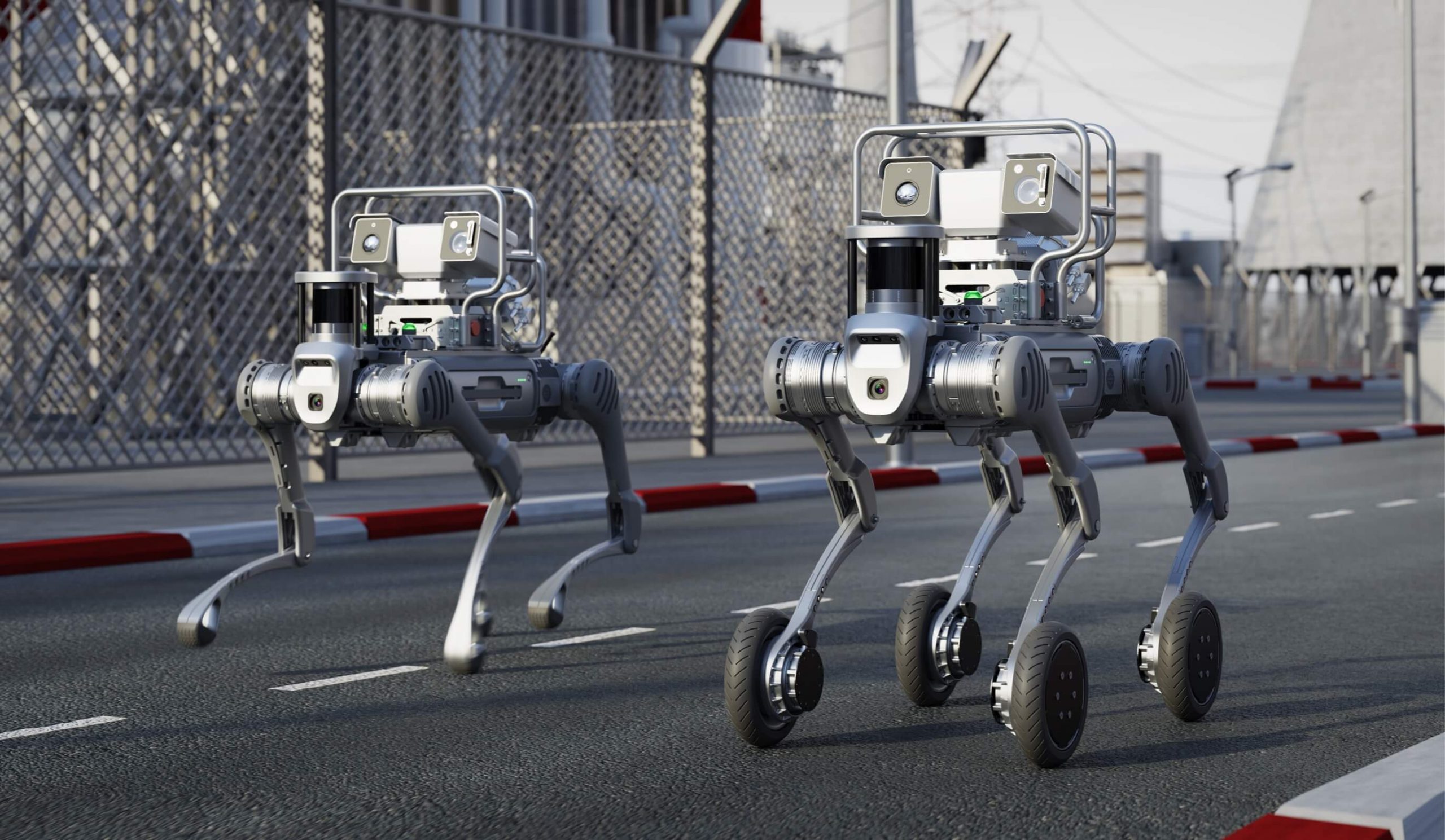
Unitree Set for Shanghai Market Debut Following Landmark $905 Million Initial Public Offering
Unitree is preparing for its official debut on the Shanghai stock exchange after successfully completing a $905 million Initial Public Offering (IPO). The company's financial milestone is accompanied by strong commercial performance data, revealing that Unitree has shipped more than 5,500 humanoid robots to date. This shipment volume places the company in a leading position within the competitive robotics landscape, specifically surpassing its Shanghai-based competitor, Agibot. Recent figures show that Agibot has sold 5,168 units, trailing Unitree’s shipment count. This move to the public market and the reported sales figures underscore the accelerating commercialization and scale of the humanoid robotics industry as major players vie for market dominance through both capital acquisition and manufacturing output.
Key Takeaways
- Significant Capital Raise: Unitree has successfully completed a $905 million IPO ahead of its debut on the Shanghai exchange.
- Market-Leading Shipments: The company has officially shipped over 5,500 humanoid robots, demonstrating large-scale production capabilities.
- Competitive Edge: Unitree’s shipment figures exceed those of its primary rival, Agibot, which reported 5,168 units sold.
- Strategic Listing: The upcoming Shanghai debut marks a major transition from a private entity to a publicly traded leader in the robotics sector.
In-Depth Analysis
The Financial Scale of the $905 Million IPO
The announcement of Unitree’s $905 million Initial Public Offering (IPO) represents a substantial influx of capital into the humanoid robotics sector. This financial milestone, preceding the company's debut on the Shanghai market, indicates a high level of investor confidence in the commercial viability of humanoid robotic technology. A capital raise of nearly a billion dollars suggests that the infrastructure required for the development, manufacturing, and distribution of these complex machines is reaching a stage of industrial maturity. The transition to a public listing in Shanghai provides Unitree with the liquidity and public profile necessary to sustain its growth trajectory in an increasingly capital-intensive industry.
Comparative Shipment and Sales Performance
A critical metric provided in the report is the shipment of more than 5,500 humanoid robots by Unitree. When placed in direct comparison with its competitors, these figures offer a clear picture of the current market hierarchy. Specifically, the Shanghai-based rival Agibot has recorded sales of 5,168 units. While both companies have achieved significant scale—surpassing the 5,000-unit threshold—Unitree maintains a lead of several hundred units. This gap, though relatively narrow in percentage terms, highlights the intense competition for market share. The distinction between "shipped" units for Unitree and "sold" units for Agibot reflects the high-volume movement of hardware currently occurring within the Chinese robotics ecosystem.
Regional Dynamics and Market Leadership
The competition between Unitree and Agibot is particularly noteworthy given their geographical and industrial proximity. With Agibot being Shanghai-based and Unitree preparing for a Shanghai debut, the region is solidifying its status as a primary hub for humanoid robotics. The ability of these firms to move thousands of units indicates that the industry has moved beyond the prototyping phase and into a phase of tangible commercial delivery. Unitree’s ability to outperform a local rival in terms of volume, while simultaneously securing a massive IPO, positions the company as a benchmark for success in the transition from a robotics startup to a public-market heavyweight.
Industry Impact
The successful IPO and the high shipment volumes reported by Unitree and Agibot signal a transformative period for the global AI and robotics industry. The fact that a single company can ship over 5,500 humanoid robots suggests that the supply chain and assembly processes for such sophisticated AI-driven hardware are becoming standardized and scalable. For the broader industry, this sets a new bar for what constitutes a "market leader."
Furthermore, the $905 million valuation of the IPO demonstrates that the financial markets are ready to support the long-term capital requirements of humanoid robotics. This level of funding is likely to accelerate research and development, potentially leading to faster iterations of robot capabilities. The rivalry between Unitree and Agibot also suggests that the market is large enough to support multiple high-volume players, though the pressure to maintain shipment leads will likely drive further innovation and price competition in the near future.
Frequently Asked Questions
Question: How much did Unitree raise in its IPO?
Unitree raised a total of $905 million through its Initial Public Offering (IPO) prior to its debut on the Shanghai exchange.
Question: How do Unitree’s robot shipments compare to its competitors?
Unitree has shipped more than 5,500 humanoid robots, which is higher than the 5,168 units sold by its Shanghai-based rival, Agibot.
Question: Where is Unitree planning to list its shares?
Unitree is set to make its market debut on the Shanghai stock exchange.


