
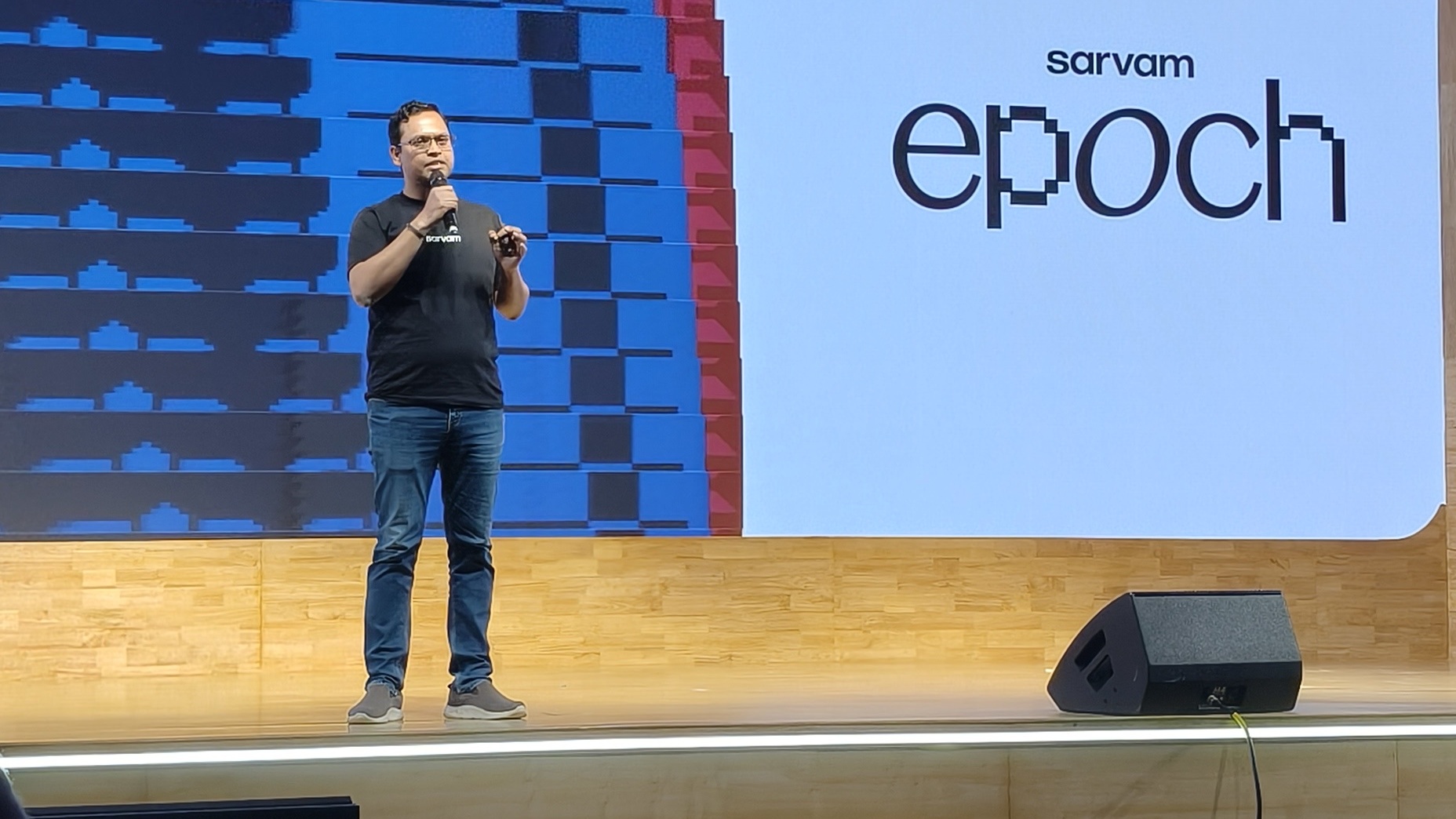
India's Sarvam AI Aims for Full-Stack Dominance to Capture Local Token Consumption
Sarvam, a prominent player in India's artificial intelligence sector, is embarking on a strategic shift to become a full-stack AI provider. The company's core objective is to secure a substantial portion of the AI-token consumption market within India. By adopting a full-stack approach, Sarvam intends to manage the entire lifecycle of AI delivery, positioning itself as a central hub for AI usage in the region. This strategy reflects a broader trend of localized AI firms seeking to monetize the increasing demand for generative AI and data processing through token-based billing models. The move highlights Sarvam's ambition to control the value chain from underlying models to end-user applications, ensuring they remain a primary beneficiary of India's growing digital and AI economy.
Key Takeaways
- Full-Stack Ambition: Sarvam is positioning itself as a full-stack AI player, aiming to control multiple layers of the artificial intelligence value chain.
- Token-Centric Strategy: The company's primary goal is to capture a meaningful share of AI-token consumption within the Indian market.
- Strategic Localization: By focusing on the Indian ecosystem, Sarvam seeks to become the infrastructure and service provider of choice for local AI needs.
- Monetization Focus: The strategy emphasizes the importance of usage-based metrics (tokens) as the core of their business model.
In-Depth Analysis
The Shift to a Full-Stack AI Model
Sarvam’s attempt to become a full-stack AI player represents a significant evolution in its business architecture. In the context of artificial intelligence, a "full-stack" approach typically involves managing everything from the foundational large language models (LLMs) and infrastructure to the application layers and user interfaces. By moving toward this model, Sarvam is not merely providing a single tool or service but is instead building a comprehensive ecosystem. This strategy allows the company to reduce dependency on third-party providers and offers greater control over the performance, cost, and customization of AI services specifically tailored for the Indian demographic and business environment.
This transition is critical in a market like India, where localized data, languages, and infrastructure requirements vary significantly from Western markets. A full-stack player can optimize the entire pipeline—from how data is processed at the model level to how it is delivered to the end-user—ensuring that the AI solutions are both efficient and culturally relevant. Sarvam’s focus on this holistic approach suggests a long-term commitment to becoming the backbone of AI development in the region.
Capturing the AI-Token Consumption Market
The underlying strategy driving Sarvam’s full-stack ambition is the capture of India’s AI-token consumption. In modern generative AI, a "token" is the basic unit of text or code that a model processes. Whether a user is generating a paragraph of text, translating a document, or writing code, the cost and volume of that activity are measured in tokens. By focusing on this metric, Sarvam is targeting the very heartbeat of AI economic activity.
Capturing a "meaningful share" of this consumption implies that Sarvam wants to be the platform where the majority of AI interactions in India occur. As more Indian enterprises and developers integrate AI into their workflows, the total volume of tokens processed will grow exponentially. Sarvam’s strategy is to ensure that a significant portion of this traffic flows through its proprietary stack. This not only secures a steady revenue stream based on usage but also provides the company with vast amounts of interaction data, which can be used to further refine and improve their models, creating a virtuous cycle of growth and optimization.
Industry Impact
Sarvam's move to become a full-stack player has profound implications for the Indian AI industry. First, it challenges the dominance of global AI giants by offering a locally-optimized alternative that understands the nuances of the Indian market. If Sarvam successfully captures a large share of token consumption, it could set a precedent for other regional players to pursue vertical integration rather than relying on API access from foreign providers.
Furthermore, this strategy emphasizes the shift toward a token-based economy in the tech sector. As AI becomes a utility, the companies that control the "meter"—in this case, token consumption—will hold significant power. Sarvam’s focus on this area could accelerate the adoption of AI across various Indian sectors, including healthcare, education, and finance, by providing a localized infrastructure that is potentially more cost-effective and accessible than international counterparts.
Frequently Asked Questions
What does it mean for Sarvam to be a "full-stack" AI player?
Being a full-stack AI player means that Sarvam aims to provide end-to-end services, covering everything from the underlying AI models and infrastructure to the final applications used by customers, rather than focusing on just one part of the process.
Why is Sarvam focusing on AI-token consumption?
Token consumption is the primary way AI usage is measured and billed. By capturing a large share of these tokens, Sarvam ensures it is the primary platform for AI activity in India, leading to higher revenue and market influence.
How does Sarvam's strategy affect the Indian AI market?
Sarvam's strategy promotes the development of localized AI infrastructure, potentially reducing costs for Indian businesses and providing AI solutions that are better suited to the specific needs and languages of the Indian population.

