
Meituan Launches CatPaw: An All-Scenario AI Agent Platform Powered by LongCat 2.0
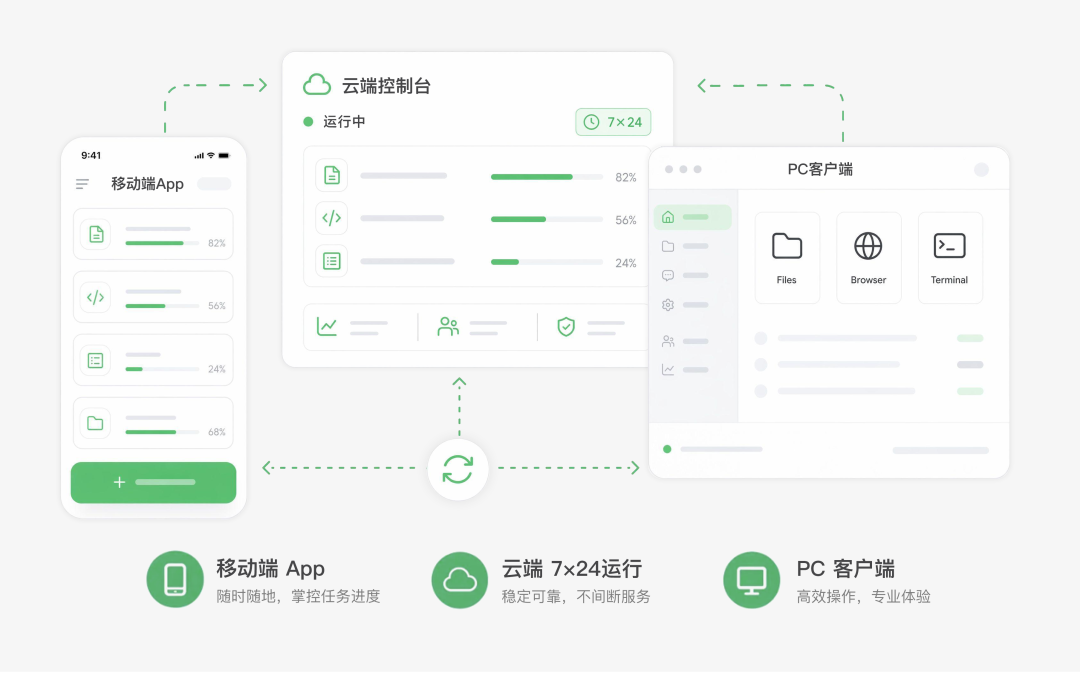
Meituan's technical team has officially announced the launch of CatPaw, a comprehensive all-scenario AI Agent platform. Built upon the capabilities of the LongCat 2.0 model, CatPaw represents a strategic evolution from basic model functionality to high-utility application, focusing on making AI truly "usable" for diverse needs. The platform provides two primary offerings: an out-of-the-box AI intelligent workbench for immediate personal and professional productivity, and robust enterprise-grade Agent development and hosting services. By bridging the gap between individual efficiency and corporate intelligence, Meituan aims to streamline the deployment of AI agents across various sectors. This release underscores Meituan's commitment to advancing the AI ecosystem through accessible, high-performance tools designed for both rapid implementation and complex enterprise-level customization.
Key Takeaways
- Official Launch of CatPaw: Meituan has introduced CatPaw, a versatile AI Agent platform designed for all-scenario applications.
- Powered by LongCat 2.0: The platform leverages the advanced capabilities of Meituan's LongCat 2.0 model to drive its intelligent features.
- Dual-Purpose Functionality: CatPaw offers both an immediate-use AI workbench for individuals and a development/hosting environment for enterprises.
- Focus on Usability: The project marks a shift from merely having functional models ("running") to providing highly effective tools ("using well").
- Enterprise-Grade Infrastructure: The platform includes dedicated capabilities for hosting and managing complex AI Agents at scale.
In-Depth Analysis
The Evolution from Model Capability to Practical Utility
With the release of CatPaw, Meituan is signaling a significant shift in its AI strategy. The technical team emphasizes moving from models that simply "run" to those that are "used well." This distinction is crucial in the current AI landscape, where the focus is transitioning from the raw power of Large Language Models (LLMs) to the practical application of AI Agents. By utilizing LongCat 2.0, CatPaw is positioned not just as a showcase of technical prowess, but as a functional tool designed to solve real-world problems. The emphasis on an "all-scenario" approach suggests that Meituan intends for this platform to be pervasive, touching everything from simple task automation to complex business logic.
Bridging the Gap: Personal Efficiency and Enterprise Intelligence
CatPaw is structured to serve two distinct yet overlapping markets. For the individual user, the "out-of-the-box AI intelligent workbench" provides a low-friction entry point into AI-assisted work. This allows users to leverage AI agents without needing deep technical expertise or complex setup processes. Conversely, for the corporate sector, CatPaw provides "enterprise-grade Agent development and hosting capability." This side of the platform is designed for developers and organizations that need to build bespoke AI solutions and require a stable, scalable environment to host them. By offering both, Meituan creates a unified ecosystem where personal productivity tools can potentially scale into enterprise-wide intelligent systems.
Strategic Integration of LongCat 2.0
The choice of LongCat 2.0 as the underlying engine for CatPaw is a testament to Meituan's internal research and development success. As an all-scenario platform, CatPaw requires a model that can handle diverse contexts, from creative writing and coding to data analysis and enterprise workflow management. LongCat 2.0 provides the necessary reasoning and processing power to ensure that the Agents hosted on CatPaw are reliable and context-aware. This integration ensures that the platform remains competitive by utilizing the latest advancements in Meituan's proprietary AI research.
Industry Impact
The launch of CatPaw is a significant move in the competitive AI Agent landscape. By providing a platform that handles both the development and the hosting of Agents, Meituan is positioning itself as a key infrastructure provider for the next wave of AI implementation. This move likely lowers the barrier for small and medium-sized enterprises to adopt AI, as they can now access enterprise-grade hosting without building their own infrastructure. Furthermore, the focus on "all-scenario" utility reflects a broader industry trend where AI is no longer a standalone feature but a foundational layer for all digital interactions. Meituan's entry into this space with a specialized platform could accelerate the adoption of Agentic AI across various industries, particularly in service-oriented sectors where Meituan already holds a strong market presence.
Frequently Asked Questions
What is the core technology behind Meituan's CatPaw?
CatPaw is powered by Meituan's proprietary LongCat 2.0 model, which provides the foundational intelligence for the platform's AI Agents.
How does CatPaw support enterprise users?
CatPaw provides enterprise-grade development and hosting capabilities, allowing businesses to build, deploy, and manage custom AI Agents within a stable and scalable environment.
Is CatPaw suitable for individual users without technical backgrounds?
Yes, CatPaw includes an "out-of-the-box" AI intelligent workbench designed for immediate use, making it accessible for personal efficiency and professional tasks without requiring complex development.

