
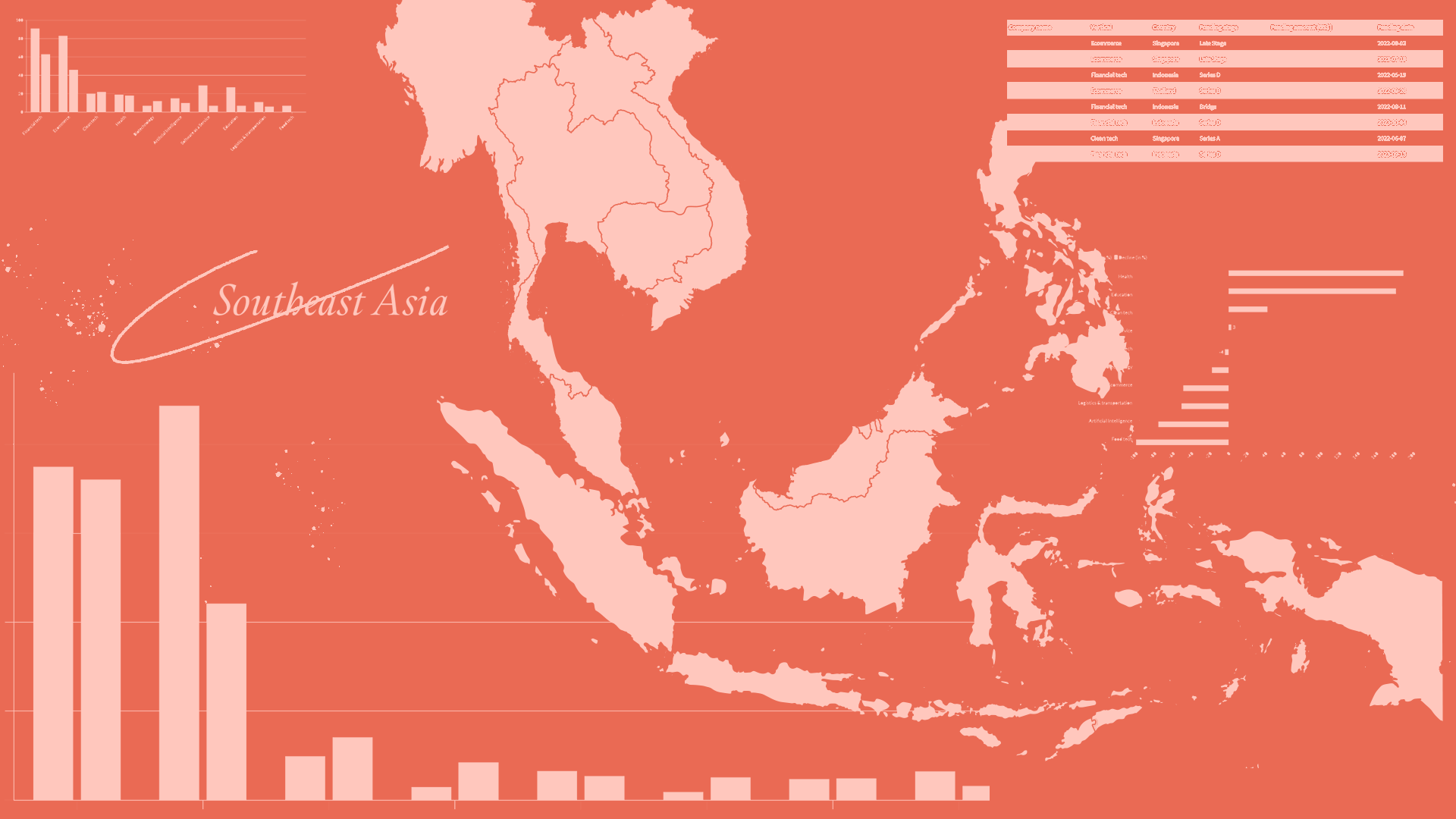
Southeast Asian Venture Capital Trends: How Investor Bets Predict Future Tech Spending and Job Growth
This analysis explores the current landscape of venture capital in Southeast Asia, focusing on the strategic decisions made by regional investors. Based on reporting from Tech in Asia, the article examines the premise that VC funding serves as a critical leading indicator for the broader tech ecosystem. By identifying where capital is being deployed, stakeholders can forecast upcoming shifts in industry spending and the creation of new employment opportunities. The report highlights the cyclical nature of investment, where initial funding rounds act as the catalyst for operational expansion and labor market growth. Understanding these investment patterns is essential for navigating the evolving tech sector in Southeast Asia, as it reveals which areas are poised for significant development and which are currently being overlooked by major financial backers.
Key Takeaways
- VC Funding as a Forecast Tool: Venture capital investment patterns serve as a primary leading indicator for future trends within the Southeast Asian tech industry.
- Correlation with Spending: The allocation of capital by investors directly signals where increased operational and infrastructure spending will occur in the coming periods.
- Job Market Implications: Funding trends provide a roadmap for future employment growth, as capital-intensive sectors typically lead to a surge in hiring.
- Investor Sentiment: The strategic choices of SEA investors—deciding what to support and what to ignore—shape the long-term trajectory of the regional tech landscape.
In-Depth Analysis
The Predictive Power of Venture Capital in Southeast Asia
The tech industry in Southeast Asia (SEA) is currently undergoing a period of significant scrutiny as investors recalibrate their portfolios. According to the original reporting, venture capital (VC) funding is not merely a reflection of current success but a leading indicator of the industry's future direction. When investors choose to 'bet' on specific niches or technologies, they are essentially providing a preview of where the next wave of innovation and market activity will manifest. This predictive quality makes VC data invaluable for analysts, job seekers, and competing firms who wish to understand the upcoming priorities of the regional market.
The logic behind this is straightforward: capital precedes action. Before a company can scale its operations, invest in new technologies, or expand its market reach, it requires the necessary funding. Therefore, by tracking the flow of venture capital, one can identify the sectors that will soon have the resources to dominate the market. Conversely, the areas that investors are 'ignoring' suggest a cooling of interest or a perceived lack of viable business models, which may lead to a contraction in spending and opportunities in those specific sub-sectors.
Translating Capital into Industry Spending and Employment
A critical aspect of the relationship between VC funding and industry health is the direct impact on spending and jobs. The original news content emphasizes that funding is a precursor to increased spending within the tech industry. This spending often takes the form of research and development, marketing, and the acquisition of new tools and services. As companies receive fresh injections of capital, their capacity to invest in their own growth increases, creating a ripple effect throughout the supply chain of the tech ecosystem.
Furthermore, the link between funding and job creation is a vital metric for the Southeast Asian economy. As tech firms in the region secure investment, one of the most immediate requirements is the acquisition of talent. Whether it is engineering, product management, or sales, the growth in 'spending' mentioned in the report almost always translates into a growth in headcount. By observing which sectors are attracting the most interest from SEA investors, we can accurately predict where the most robust job markets will emerge. This makes VC funding trends a crucial data point for understanding the future of the labor market in the region, providing a clear signal of which skills will be in high demand.
Industry Impact
The implications of these findings for the Southeast Asian AI and tech industry are profound. As VC funding acts as a leading indicator, the current investment climate will dictate the competitive landscape for the next several years. For the AI industry specifically, if investors prioritize automation and data analytics, we can expect a significant uptick in spending on cloud infrastructure and specialized AI talent.
Moreover, the 'Hot or Not' nature of investment means that certain sectors may experience rapid acceleration while others face stagnation. This creates a high-stakes environment where being aligned with investor interests is essential for survival and growth. For the broader tech ecosystem, this means that the health of the venture capital market is inextricably linked to the health of the job market and the overall pace of technological adoption in Southeast Asia. Stakeholders must remain vigilant in monitoring these funding signals to stay ahead of the curve in a rapidly shifting economic environment.
Frequently Asked Questions
Question: Why is VC funding considered a leading indicator for the tech industry?
VC funding is considered a leading indicator because it represents the capital that will be used for future activities. Since funding occurs before a company scales, it provides an early signal of where future spending, product launches, and hiring will take place within the tech sector.
Question: How does investor behavior in Southeast Asia affect the job market?
Investor behavior directly influences the job market by determining which sectors have the financial resources to hire new staff. When investors bet on a particular industry, those companies typically increase their recruitment efforts to meet growth targets, whereas ignored sectors may see a slowdown in hiring.
Question: What does it mean when investors 'ignore' a certain tech sector?
When investors ignore a sector, it suggests a lack of confidence in that area's immediate growth potential or profitability. This often leads to reduced spending and fewer job opportunities in that specific niche, as companies within it struggle to find the capital necessary for expansion.


