Meituan Open Sources Innovative AIGC Poster Generation System Featuring a Comprehensive Generation-Editing-Evaluation Technical Closed-Loop
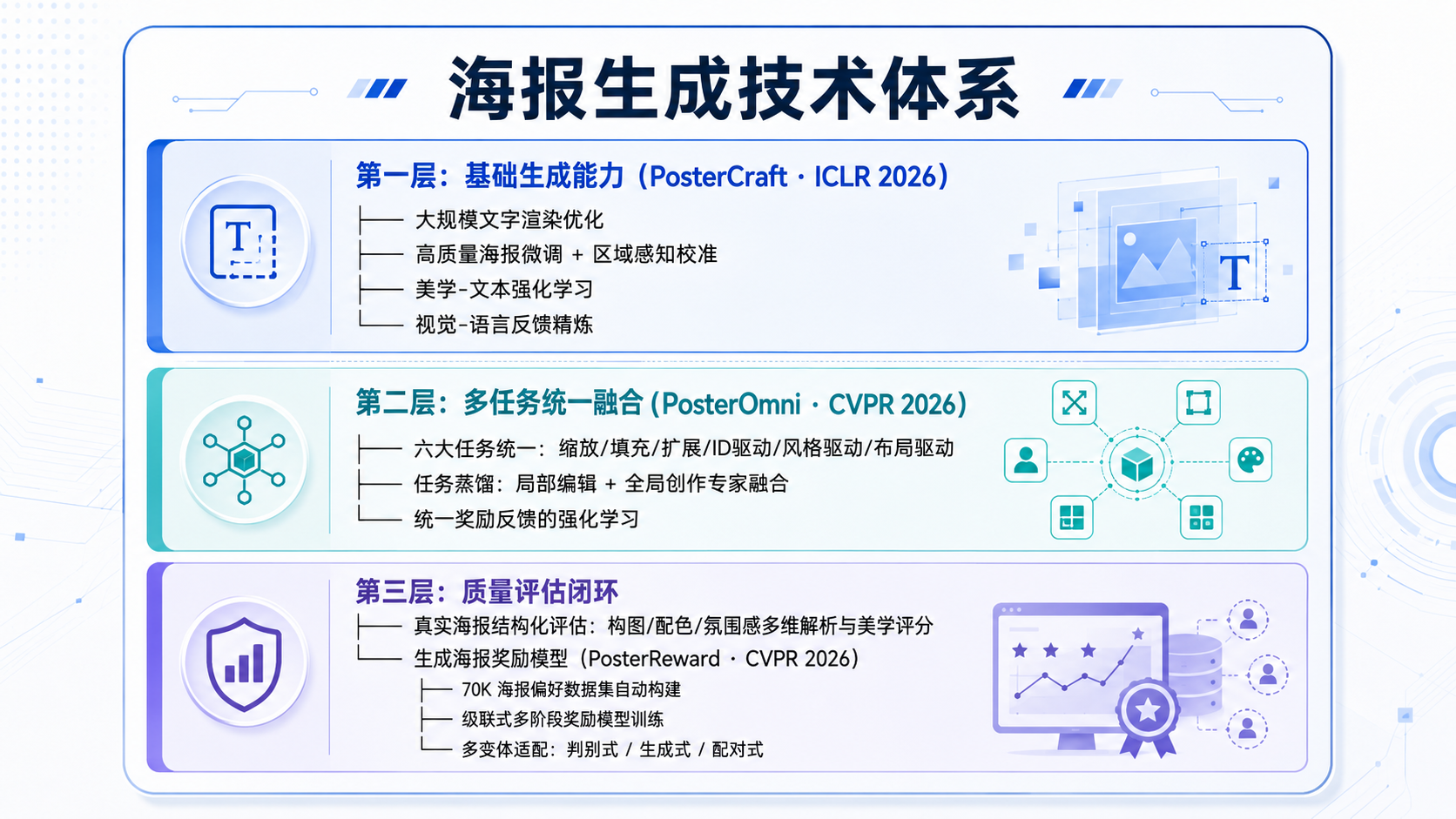
Meituan's intelligent creation team has officially unveiled its technical framework for AIGC-driven poster generation, establishing a robust "Generation-Editing-Evaluation" closed-loop. This system is designed to automate and optimize the visual content creation process, having already seen successful implementation within Meituan Waimai and various brand IP scenarios. By integrating generation, editing, and quality evaluation into a single workflow, Meituan addresses the high-demand needs of modern digital platforms. Furthermore, the team has fully open-sourced the technology, marking a significant contribution to the global AI development community and providing a blueprint for industrial-scale AIGC applications in the food delivery and branding sectors.
Key Takeaways
- Meituan's intelligent creation team has developed a complete technical system for AIGC poster generation.
- The framework is built upon a "Generation-Editing-Evaluation" (生成-编辑-评判) technical closed-loop.
- The technology has been successfully deployed in real-world scenarios, including Meituan Waimai and brand IP management.
- Meituan has fully open-sourced the entire technical system to the public.
In-Depth Analysis
The Generation-Editing-Evaluation Technical Closed-Loop
At the core of Meituan's AIGC innovation is the "Generation-Editing-Evaluation" closed-loop. This structured approach addresses the common challenges in automated content creation where quality and control are often at odds. The "Generation" phase focuses on the initial creation of visual assets using AI models. However, recognizing that raw AI output may not always meet specific commercial standards, the "Editing" component allows for the refinement and adjustment of these assets.
The final piece of the loop, "Evaluation," serves as a critical quality control mechanism. By implementing a systematic way to judge the output, the system ensures that only posters meeting specific aesthetic and brand criteria are utilized. This closed-loop ensures that the AI does not operate in a vacuum but is part of a continuous improvement cycle that balances automation with precision and quality assurance.
Practical Implementation in Waimai and Brand IP
Meituan has moved beyond theoretical frameworks by implementing this AIGC system in high-traffic, high-demand environments. Specifically, the technology is being used within Meituan Waimai (food delivery) and for brand IP scenarios. In the context of food delivery, the need for diverse, localized, and timely promotional materials is immense. The AIGC system allows for the rapid generation of posters that can cater to various merchants and seasonal promotions.
Similarly, in brand IP scenarios, maintaining visual consistency while producing a high volume of content is a significant challenge. Meituan’s system enables the creation of brand-aligned posters that adhere to specific IP guidelines. The successful landing of this technology in these specific areas demonstrates its scalability and its ability to handle the complexities of real-world commercial design requirements.
The Strategic Shift to Open Source
By fully open-sourcing this AIGC poster generation system, Meituan is contributing to the broader technical ecosystem. Open-sourcing such a comprehensive "Generation-Editing-Evaluation" framework allows other developers and organizations to build upon Meituan's foundational work. This move not only validates the maturity of Meituan's internal tools but also fosters a collaborative environment where the industry can collectively solve the challenges of AI-driven design. It provides a transparent look into how a major tech platform handles the end-to-end lifecycle of AI-generated content, from the initial prompt to the final evaluated product.
Industry Impact
The release of Meituan's AIGC poster generation system signifies a shift toward more structured and evaluative AI workflows in the industry. Rather than focusing solely on the generative capabilities of AI, Meituan’s emphasis on the "Editing" and "Evaluation" phases highlights the industry's growing need for controllable and reliable AI outputs. This model provides a reference for other tech giants and startups looking to integrate AIGC into their marketing and operational pipelines. Furthermore, the open-source nature of this release lowers the barrier to entry for smaller enterprises to adopt sophisticated AI design tools, potentially accelerating the digital transformation of visual marketing across various sectors.
Frequently Asked Questions
Question: What are the three main components of Meituan's AIGC system?
The system is built on a "Generation-Editing-Evaluation" closed-loop, which covers the creation, refinement, and quality assessment of posters.
Question: In which specific Meituan services has this technology been applied?
It has been implemented in Meituan Waimai (food delivery) and various brand IP scenarios to assist in visual content creation.
Question: Is Meituan's AIGC poster generation technology available for public use?
Yes, Meituan has fully open-sourced the technical system, making it available for the developer community and the public.