
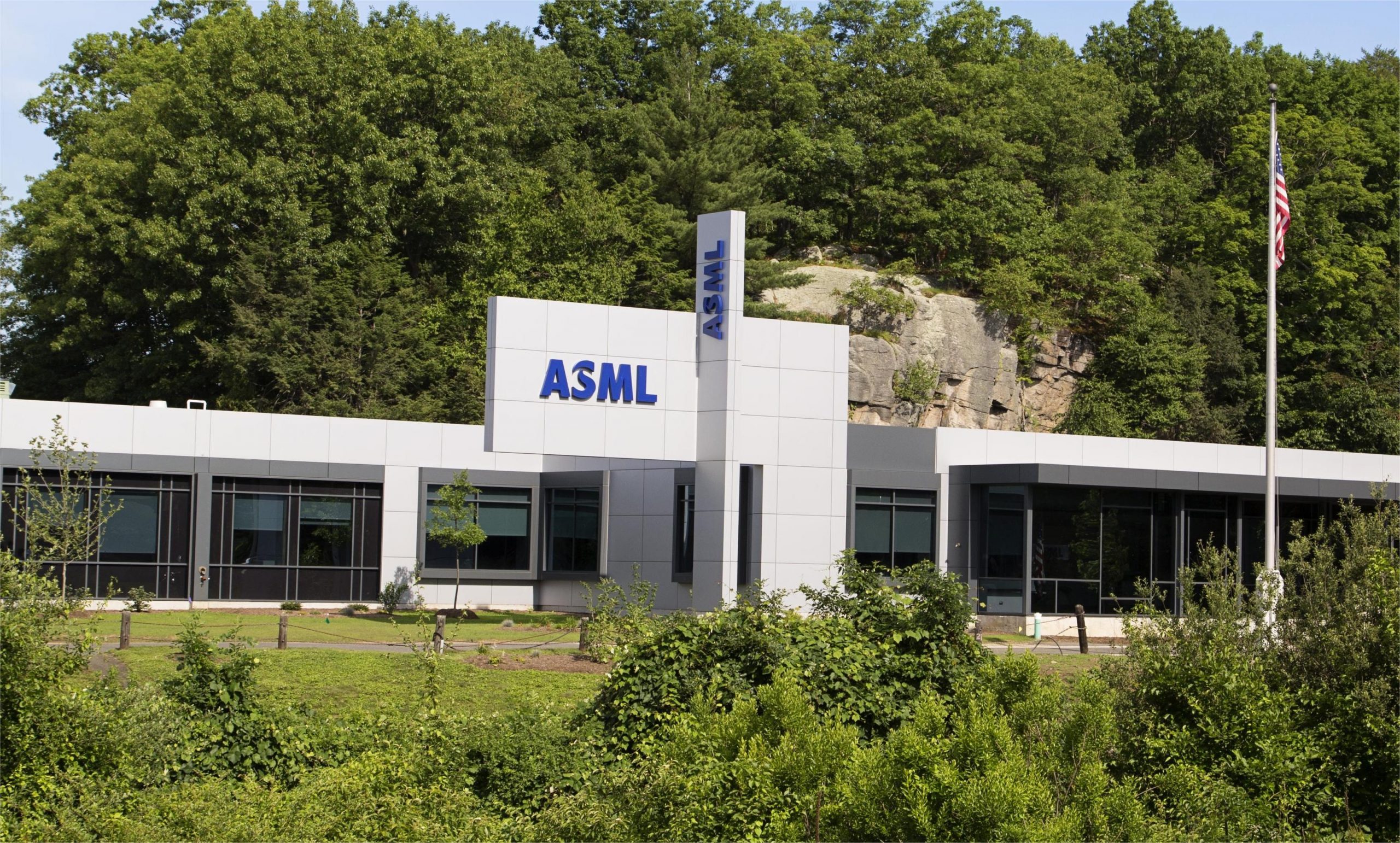
ASML Finalizes New Retention Bonus and Share Award Program for Global Workforce of 44,000
ASML, a leading entity in the semiconductor equipment sector, is currently finalizing the terms of a significant new employee retention initiative. The program is designed to provide both cash bonuses and share awards to its extensive global staff, which currently exceeds 44,000 individuals. This strategic move aims to maintain the company's talent pool by offering competitive incentives. While the specific financial details and eligibility criteria are in the final stages of development, the announcement underscores ASML's commitment to workforce stability. As the company prepares to implement these measures, the focus remains on securing the expertise of its tens of thousands of employees through a structured reward system that combines immediate financial benefits with long-term equity stakes.
Key Takeaways
- Comprehensive Retention Strategy: ASML is developing a new program specifically aimed at retaining its global workforce.
- Dual Incentive Structure: The initiative includes a combination of cash bonuses and share-based awards.
- Massive Scale: The program is designed to address a workforce of over 44,000 employees worldwide.
- Finalization Phase: The company is currently in the process of finalizing the specific terms and conditions of these awards.
In-Depth Analysis
The Scale of Workforce Management: Addressing 44,000+ Employees
ASML's announcement regarding a new retention bonus and share award program is particularly significant given the sheer scale of the organization. With a workforce exceeding 44,000 people, the logistics of implementing a global incentive program are complex. The decision to target such a large group suggests a broad-based approach to talent preservation. Managing a staff of this size requires a standardized yet impactful reward system that can be applied across various regions and departments. By focusing on a workforce of over 44,000, ASML is addressing the needs of a diverse and expansive talent pool, ensuring that the incentives are robust enough to maintain stability across its entire operational spectrum.
The scale of the workforce also highlights the importance of the semiconductor equipment industry's human capital. In an environment where specialized expertise is paramount, the ability to keep 44,000 employees engaged and committed is a major operational priority. The upcoming program reflects a recognition that the company's continued success is tied directly to the retention of its tens of thousands of staff members. As the terms are finalized, the focus will likely remain on how to effectively distribute these bonuses and shares to a global population that forms the backbone of the company's technological output.
Strategic Incentive Design: Combining Bonuses and Share Awards
The structure of the proposed program—utilizing both bonuses and share awards—points to a multi-layered strategy for employee retention. Cash bonuses typically provide immediate financial recognition, offering a direct incentive for employees to remain with the company in the short term. On the other hand, share awards are often designed to foster long-term loyalty, as they align the interests of the employees with the long-term performance and value of the company. By combining these two elements, ASML is creating a comprehensive incentive package that addresses both immediate needs and future growth.
Finalizing the terms for such a dual-component program involves careful consideration of how these awards will be vested and distributed. The inclusion of share awards suggests that ASML wants its 44,000+ employees to have a stake in the company's future. This approach not only serves as a retention tool but also as a method to enhance employee engagement by making them shareholders. As the company moves toward the final implementation of these terms, the balance between liquid cash incentives and equity-based rewards will be a defining feature of its human resources strategy.
The Finalization Process and Implementation Timing
ASML is currently in the critical phase of finalizing the terms for this new program. This stage of development is essential for ensuring that the program meets its intended goal of employee retention while remaining sustainable for the organization. Finalizing terms involves determining the specific eligibility requirements, the timing of the payouts, and the exact nature of the share awards. For a company with over 44,000 employees, these details must be precise to ensure clarity and fairness across the organization.
The fact that the program is in the finalization stage indicates that ASML is moving toward a concrete rollout in the near future. This proactive stance in developing retention measures suggests an awareness of the competitive landscape for talent. By formalizing these bonuses and share awards now, the company is positioning itself to provide clear incentives to its workforce. The transition from planning to finalization marks a key milestone in ASML's efforts to secure its talent base and provide a clear roadmap for employee compensation and recognition.
Industry Impact
The move by ASML to implement a large-scale retention program has broader implications for the semiconductor equipment industry. As a major employer with over 44,000 staff members, ASML's approach to compensation and retention sets a benchmark for the sector. In an industry characterized by high technical requirements and a constant need for specialized skills, the retention of experienced personnel is a critical factor for maintaining a competitive edge.
Furthermore, the use of share awards as a retention tool emphasizes the trend of increasing employee ownership within high-tech industries. By finalizing a program that includes equity, ASML is reinforcing the idea that human capital is a primary driver of corporate value. This initiative may influence how other companies in the semiconductor space view their own retention strategies, particularly regarding the balance between traditional bonuses and long-term equity incentives for a large-scale global workforce.
Frequently Asked Questions
What is the primary goal of ASML's new program?
The primary goal of the new program is to retain employees. ASML is finalizing terms for bonuses and share awards to ensure its workforce remains committed to the company.
How many employees will be affected by this initiative?
ASML currently employs over 44,000 people. The program is being developed to address this large, global workforce.
What types of incentives are included in the new plan?
The plan includes two main components: cash bonuses and share awards. These are designed to provide both immediate and long-term incentives for the staff.


