Meituan Fulfillment AI Team Showcases Frontier Agent Technology and Research at ACL 2026 Conference
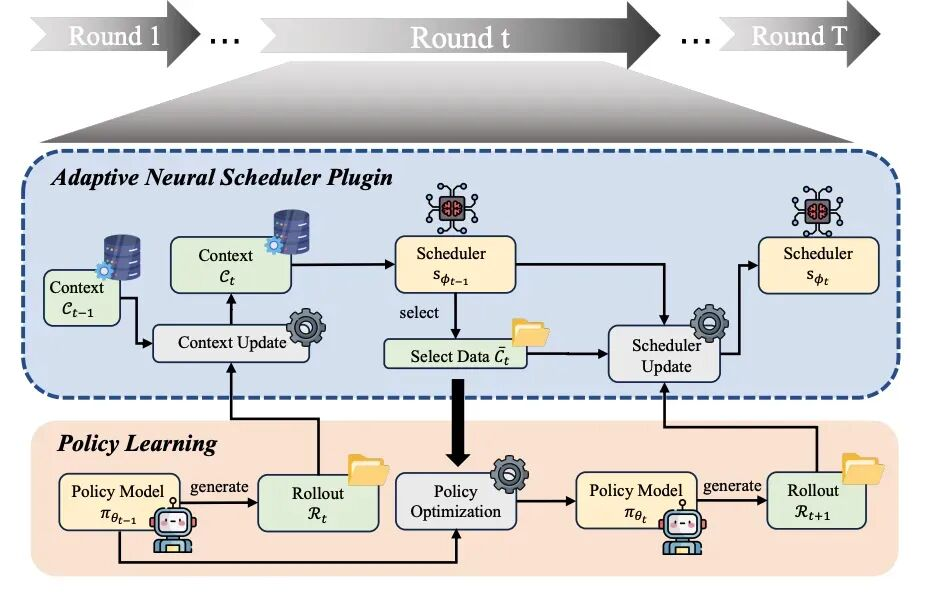
The Meituan Fulfillment AI Algorithm Team has recently highlighted its latest research achievements and technical practices featured at the ACL 2026 conference. Centered on developing a Large Language Model (LLM)-based Agent technology system, the team aims to revolutionize Meituan's fulfillment business through self-evolving operational systems. Their research focuses on critical AI frontiers, including Continuous Pre-training (CPT), Post-training, Agentic Reinforcement Learning (RL), and multimodal understanding. With a track record of dozens of high-quality papers published in prestigious international conferences such as ACL and EMNLP, Meituan's technical team continues to demonstrate its leadership in applying advanced AI agents to complex, real-world operational challenges in the fulfillment and delivery sector.
Key Takeaways
- Strategic Focus on Agent Systems: Meituan is building a comprehensive Agent technology system based on Large Language Models (LLMs) to drive its fulfillment business.
- Self-Evolving Operations: The core objective is to create an operational system that utilizes AI agents capable of self-evolution to improve efficiency and service quality.
- Core Research Frontiers: The team is deeply invested in Continuous Pre-training (CPT), Post-training, Agentic Reinforcement Learning (RL), and multimodal understanding.
- Academic Excellence: Meituan's fulfillment AI team has established a significant presence in the global AI community, with dozens of papers published in top-tier conferences like ACL and EMNLP.
In-Depth Analysis
Building LLM-Based Agent Systems for Fulfillment
The Meituan Fulfillment AI Algorithm Team is pivoting toward a sophisticated architecture where Large Language Models (LLMs) serve as the foundational intelligence for autonomous Agents. Unlike traditional rule-based systems, these LLM-based Agents are designed to handle the complexities and dynamic nature of fulfillment operations. By integrating Agent technology, Meituan aims to move beyond static automation toward a "self-evolving" operational system. This evolution implies that the system can learn from historical data, real-time feedback, and environmental changes to optimize delivery routes, scheduling, and resource allocation without constant manual intervention.
The focus on "Agentic RL" (Reinforcement Learning) is particularly significant. In the context of fulfillment, RL allows agents to make a sequence of decisions that maximize a long-term reward, such as minimizing delivery time or maximizing customer satisfaction. By combining RL with the reasoning capabilities of LLMs, Meituan is developing agents that can not only understand complex instructions but also execute them effectively in a physical-world logistics environment.
Advancing Core LLM Methodologies: CPT and Post-training
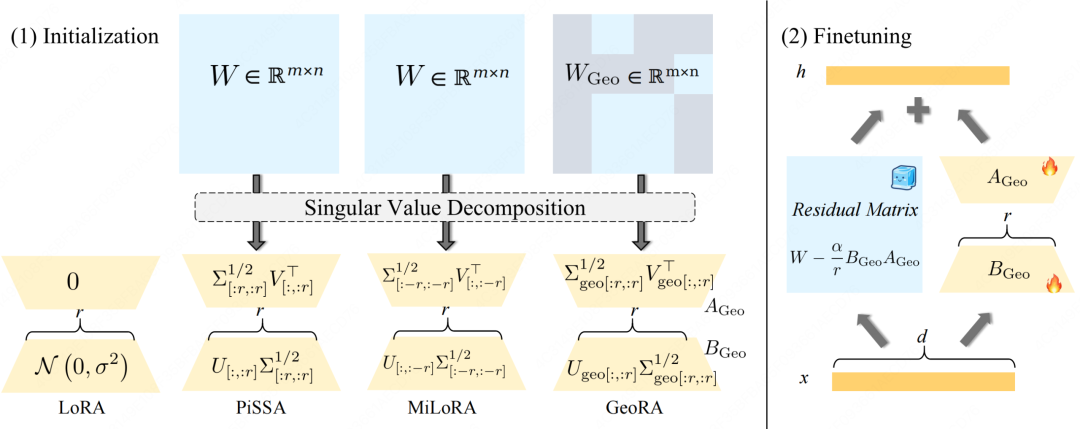
To ensure that these Agents are specialized for the fulfillment domain, the Meituan team is deep-diving into the lifecycle of model development, specifically Continuous Pre-training (CPT) and Post-training. CPT allows the model to ingest domain-specific data—such as logistics patterns, geographical nuances, and merchant-consumer interaction styles—ensuring the underlying LLM has the necessary context to make informed decisions.
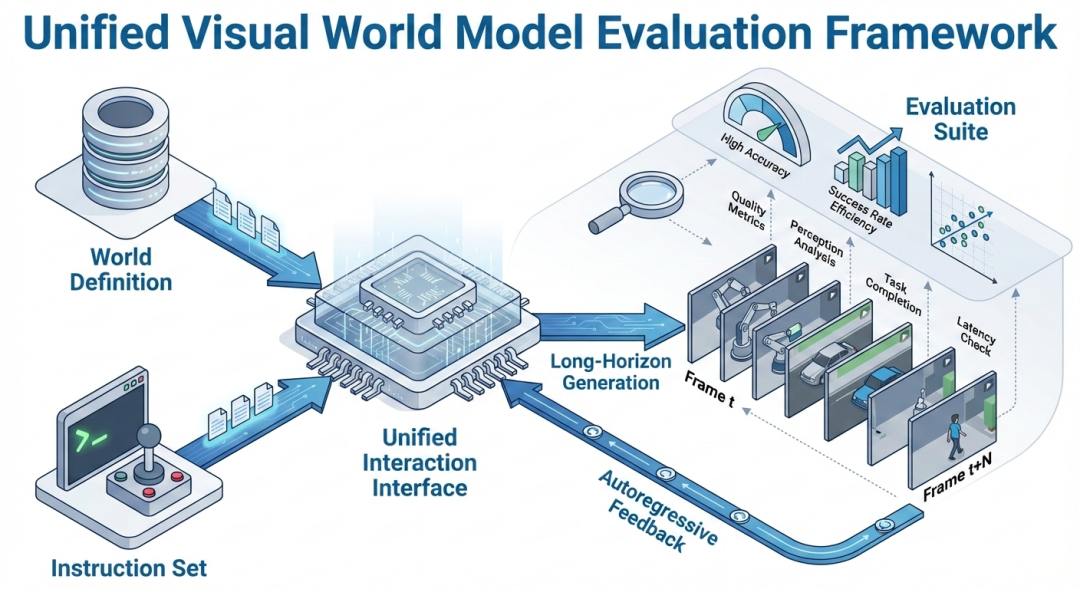
Furthermore, the emphasis on Post-training suggests a rigorous approach to fine-tuning and alignment. This stage is crucial for ensuring that the Agents behave reliably and adhere to the specific operational constraints of Meituan's business. Coupled with multimodal understanding, these AI systems are being equipped to process not just text, but potentially visual and spatial data, which is vital for navigating the physical complexities of the fulfillment process. The dozens of papers published at ACL and EMNLP serve as a testament to the technical rigor and innovation behind these practical applications.
Industry Impact
Meituan's research and implementation of Agent technology signal a broader shift in the AI industry from general-purpose chatbots to specialized, action-oriented autonomous systems. By applying these technologies to fulfillment—a sector characterized by high volume and extreme logistical complexity—Meituan is setting a benchmark for how AI can be used to solve real-world operational bottlenecks.
The integration of Agentic RL and self-evolving systems suggests a future where logistics networks are more resilient and adaptive. For the AI industry, Meituan’s success in publishing at ACL 2026 highlights the growing importance of "Industrial AI"—where the primary goal is not just theoretical performance on benchmarks, but the measurable improvement of complex business ecosystems. This approach encourages other tech giants to bridge the gap between high-level LLM research and practical, domain-specific Agent deployment.
Frequently Asked Questions
Question: What is the primary goal of Meituan's Fulfillment AI team?
Answer: The team aims to build an LLM-based Agent technology system that empowers Meituan's fulfillment business, specifically focusing on creating a self-evolving operational system that improves efficiency through AI.
Question: Which specific AI research areas is Meituan focusing on for its fulfillment agents?
Answer: The team is focusing on several frontier areas, including Continuous Pre-training (CPT), Post-training, Agentic Reinforcement Learning (RL), and multimodal understanding.
Question: Where has Meituan published its recent research findings?
Answer: Meituan has published dozens of high-quality research papers in top-tier international AI conferences, specifically mentioning ACL (Association for Computational Linguistics) and EMNLP (Empirical Methods in Natural Language Processing).