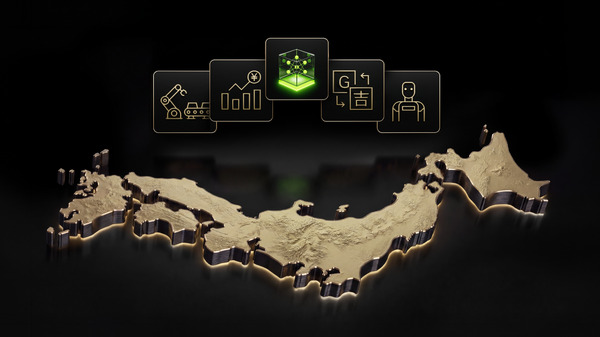
Japanese Enterprises and Startups Leverage NVIDIA Nemotron Open Models to Develop Industry-Specific Artificial Intelligence Solutions
NVIDIA has announced that a broad spectrum of Japanese organizations, including leading enterprises, startups, and research institutions, are now utilizing NVIDIA Nemotron open models. These entities are leveraging NVIDIA’s open models, data, and libraries to create industry-specialized AI applications. The primary objective of this initiative is to accelerate the development of artificial intelligence that is specifically tailored to the Japanese language, local industries, and the unique requirements of the country's workforce. This strategic adoption highlights a shift toward localized AI development, ensuring that technological advancements are aligned with regional linguistic and economic contexts through the use of NVIDIA's foundational AI resources.
Key Takeaways
- Localized AI Development: Japanese organizations are focusing on building AI models specifically tailored to the Japanese language and workforce.
- Adoption of Open Models: Leading enterprises and startups are utilizing NVIDIA Nemotron open models, data, and libraries as their foundational technology.
- Industry Specialization: The initiative targets the creation of specialized applications rather than general-purpose AI, focusing on the unique needs of Japan’s various industrial sectors.
- Collaborative Ecosystem: The movement involves a synergy between established enterprises, agile startups, and academic research institutions.
In-Depth Analysis
Accelerating Japan-Specific AI Innovation
The announcement from NVIDIA underscores a significant trend in the global AI landscape: the move toward sovereign and localized artificial intelligence. By adopting NVIDIA Nemotron open models, Japanese enterprises are not merely implementing global solutions but are actively shaping AI to fit the nuances of the Japanese language and the specific demands of their domestic industries. This approach is critical for a country like Japan, where linguistic complexity and specialized industrial standards require a high degree of model customization. The use of Nemotron’s open framework allows these organizations to maintain control over their data and model training processes, ensuring that the resulting AI tools are optimized for the local workforce.
The Strategic Role of Open Models and Libraries
NVIDIA’s provision of Nemotron open models, along with associated data and libraries, serves as a catalyst for rapid innovation within Japan’s tech ecosystem. For startups and research institutions, these resources lower the barrier to entry for developing high-performance AI. Instead of building foundational models from scratch—a process that is both resource-intensive and time-consuming—Japanese developers can build upon NVIDIA’s established architecture. This enables a faster transition from research to practical application, allowing for the deployment of industry-specialized tools that can address specific challenges in sectors ranging from manufacturing to services. The focus on "open" models also suggests a commitment to transparency and collaborative growth within the Japanese AI community.
Industry Impact
The integration of NVIDIA Nemotron models into the Japanese market is poised to have a profound impact on the regional AI industry. By fostering an environment where industry-specialized AI is the norm, Japan is positioning itself to enhance its industrial productivity and technological self-reliance. This move also reinforces NVIDIA's role as a primary provider of the underlying infrastructure for regional AI development. As more Japanese companies successfully deploy these specialized models, it may serve as a blueprint for other nations seeking to develop AI that respects local linguistic and professional requirements, potentially leading to a more fragmented but highly specialized global AI market.
Frequently Asked Questions
What are Japanese organizations building with NVIDIA Nemotron?
Japanese enterprises, startups, and research institutions are building industry-specialized AI models and applications that are specifically designed for Japan’s language, industries, and workforce.
Why is the focus on "industry-specialized" AI important for Japan?
Industry-specialized AI allows for greater precision and efficiency by addressing the specific linguistic nuances and operational requirements of the Japanese market, which general-purpose models might overlook.
What resources is NVIDIA providing to support this initiative?
NVIDIA is providing its Nemotron open models, as well as the necessary data and libraries, to facilitate the development of these localized AI applications.