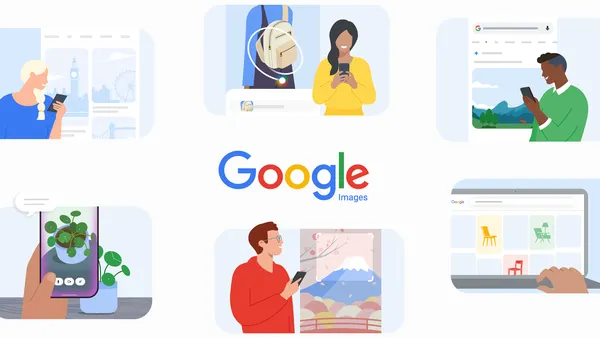
Google Images Celebrates 25 Years of Innovation in Visual Search and Content Creation
Google Images is marking its 25th anniversary, celebrating a quarter-century of advancements in visual search technology. Since its inception, the platform has evolved from a simple image discovery tool into a comprehensive ecosystem for exploring and creating visual media. The milestone announcement from the Google AI Blog reflects on the major historical achievements that have defined the service while introducing new capabilities for users to engage with visual content. This anniversary highlights Google's long-term commitment to visual innovation, offering a retrospective on past milestones and a look toward future methods of digital exploration and creative expression through visual search tools.
Key Takeaways
- Google Images marks its 25th anniversary, celebrating two and a half decades of visual search evolution.
- The platform is highlighting major milestones that have shaped the way users find and interact with images online.
- New features are being introduced to provide users with innovative ways to explore and create visual content.
- The anniversary underscores Google's ongoing role in advancing visual search technology within the digital landscape.
In-Depth Analysis
A Quarter-Century of Visual Discovery
The 25th anniversary of Google Images represents a significant era in the history of the internet, marking the transition from text-based search to a more immersive visual experience. Over the past 25 years, the platform has focused on refining the technology required to index, understand, and retrieve visual information. This milestone serves as a testament to the innovation required to manage the vast and growing library of global visual data. By reflecting on major milestones, the platform acknowledges the technical hurdles overcome in making the world's images searchable and accessible to everyone, everywhere.
Evolution of Exploration and Creation
Beyond simple image retrieval, Google Images has expanded its scope to include the creation and deeper exploration of visual media. The announcement emphasizes that the platform is not only looking back at its history but also moving forward with new tools. These tools are designed to enhance how users interact with the visual web, moving beyond passive viewing to active creation. This shift indicates a broader trend in visual search where the boundaries between finding information and generating new content are becoming increasingly blurred. The focus on "new ways to explore and create" suggests a future where visual search is more interactive, personalized, and creatively empowered.
The Significance of Historical Milestones
Reflecting on 25 years of milestones allows for an understanding of the trajectory of visual search technology. Each milestone represents a step forward in how machines interpret visual context, color, shape, and intent. By celebrating these achievements, Google highlights the complexity involved in visual search innovation. These historical markers provide the foundation for current and future developments, ensuring that the platform remains at the forefront of how people discover visual inspiration, products, and information across the globe.
Industry Impact
The 25-year journey of Google Images has had a profound impact on the broader technology and search industries. By setting the standard for visual indexing and retrieval, Google has influenced how other platforms approach visual data. The introduction of new ways to create and explore visual content likely signals a shift in industry priorities toward generative and interactive visual tools. As visual search becomes more integrated into daily life, the innovations celebrated during this anniversary will continue to shape user expectations and drive competition in the fields of computer vision, digital creativity, and information architecture.
Frequently Asked Questions
Question: What is the significance of the 25th anniversary of Google Images?
The 25th anniversary marks a major milestone in the evolution of visual search, highlighting a quarter-century of innovation in how users discover, explore, and create visual content on the web.
Question: How is Google Images changing according to the anniversary announcement?
Google is introducing new ways for users to explore and create visual content, moving the platform beyond traditional search toward more interactive and creative functionalities.
Question: Where can I find more information about the milestones of Google Images?
Google has shared a look back at major milestones and new features on the Google AI Blog to celebrate the 25-year history of the platform.