AMD Ventures Strategic Investment in Japanese Self-Driving Startup Turing to Diversify AI Training Hardware
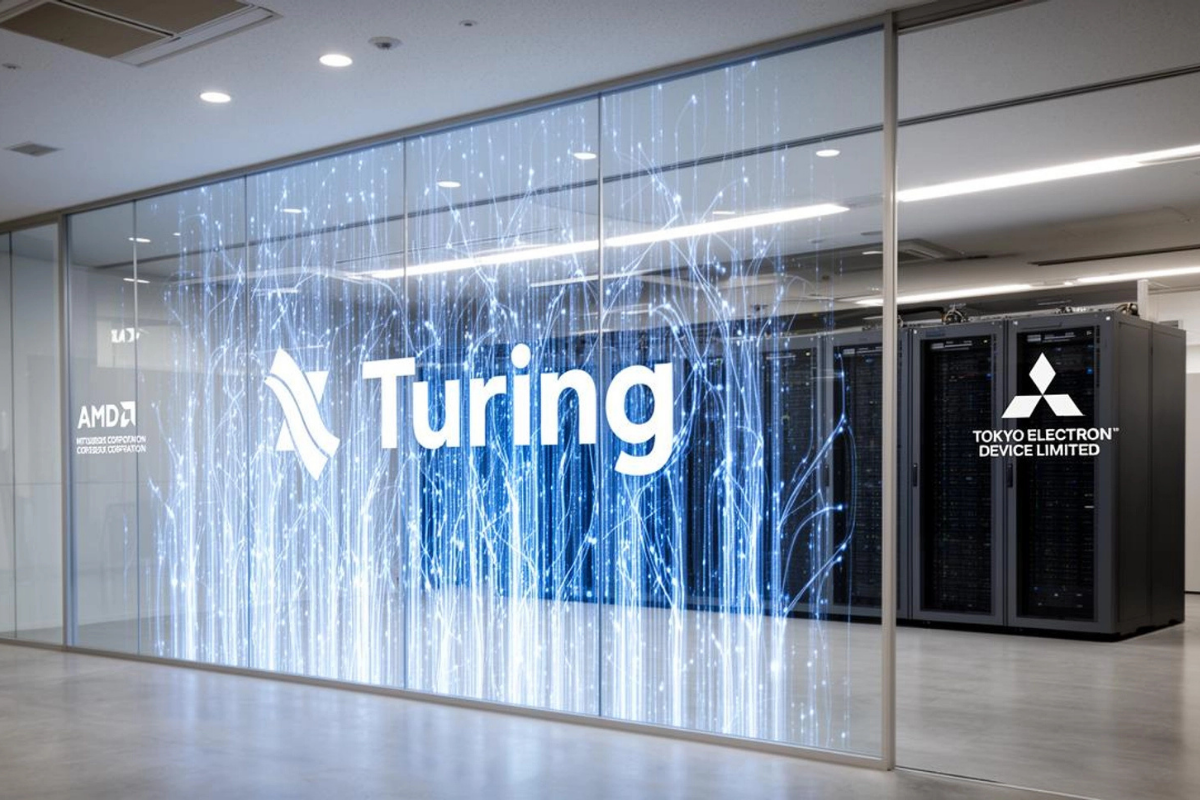
AMD Ventures has officially invested in Turing, a Japanese startup specializing in self-driving technology. This strategic move highlights Turing's initiative to integrate AMD GPUs into its AI training infrastructure. Currently, Turing utilizes AMD hardware for 10% of its AI training processes. The primary motivations behind this hardware integration are to diversify the company's supply chain and achieve significant cost reductions. This investment marks a notable step for AMD in the autonomous vehicle sector and reflects a growing trend among AI startups to seek alternatives in the GPU market to optimize operational efficiency and financial sustainability. By securing this investment, Turing positions itself to leverage AMD's hardware capabilities while maintaining a multi-vendor strategy for its intensive AI development needs.
Key Takeaways
- Strategic Investment: AMD Ventures has completed an investment in Turing, a Japan-based startup focused on self-driving technology.
- Hardware Integration: Turing has already integrated AMD GPUs into its workflow, currently accounting for 10% of its total AI training capacity.
- Supply Chain Strategy: The adoption of AMD hardware is a deliberate move by Turing to diversify its supply of critical AI components.
- Economic Efficiency: A primary driver for this partnership and hardware shift is the reduction of operational costs associated with AI training.
In-Depth Analysis
AMD Ventures' Strategic Entry into Turing's Ecosystem
The investment by AMD Ventures into Turing signifies a deepening relationship between the semiconductor giant and the emerging autonomous driving sector in Japan. By backing Turing, AMD is not merely providing capital but is securing a foothold in the specialized market of AI-driven vehicle development. This move suggests a mutual interest in validating AMD's hardware performance in high-stakes, real-world AI applications such as autonomous navigation and machine learning for self-driving systems.
The 10% Threshold: Diversification as a Strategic Priority
Turing's decision to utilize AMD GPUs for 10% of its AI training is a significant indicator of the startup's long-term infrastructure strategy. In an industry often dominated by a single hardware provider, Turing is actively pursuing a multi-vendor approach. This 10% allocation serves as a functional baseline for supply chain diversification. By proving that a portion of their complex AI training can run effectively on AMD architecture, Turing mitigates the risks associated with over-reliance on any single hardware supplier, ensuring greater resilience against market shortages or price fluctuations.
Cost Optimization in AI Training
Beyond supply security, the transition to incorporating AMD GPUs is driven by the necessity of cost management. AI training for self-driving technology is notoriously resource-intensive and expensive. Turing's explicit goal of using AMD hardware to reduce costs highlights a critical shift in the AI industry: the search for price-to-performance efficiency. As startups scale their training models, the ability to achieve similar or superior results at a lower price point becomes a competitive advantage, making the AMD-Turing partnership a case study in fiscal responsibility within the deep-tech sector.
Industry Impact
The investment in Turing by AMD Ventures carries broader implications for the AI and automotive industries. It signals a growing challenge to the existing GPU market hierarchy, demonstrating that major AI startups are willing and able to diversify their hardware stacks. For the autonomous vehicle industry, this move underscores the importance of hardware flexibility. As more companies look to optimize their "compute-per-dollar" metrics, the success of Turing's 10% integration could encourage other firms to explore similar diversification strategies. Furthermore, this partnership strengthens the Japanese AI ecosystem by bringing in global semiconductor expertise, potentially accelerating the development of localized self-driving solutions.
Frequently Asked Questions
Question: Why is Turing using AMD GPUs for its AI training?
Turing is utilizing AMD GPUs to diversify its hardware supply chain and significantly reduce the costs associated with the intensive AI training required for self-driving technology. Currently, 10% of their training is performed on AMD hardware.
Question: What is the significance of AMD Ventures investing in Turing?
The investment marks a strategic partnership where AMD provides financial backing to a Japanese self-driving startup that is already actively using its hardware. This helps AMD expand its presence in the autonomous vehicle and AI training markets.
Question: How much of Turing's AI training is currently handled by AMD hardware?
According to the latest reports, Turing uses AMD GPUs for 10% of its AI training processes, representing a strategic move toward a multi-vendor hardware environment.