Meituan's ACL 2026 Research Breakthroughs: From Large Model Evaluation to Complex Reasoning Optimization
Meituan's technical team has achieved significant recognition at ACL 2026, with six papers accepted into this prestigious computational linguistics conference. The research spans a broad spectrum of cutting-edge AI fields, including large model evaluation, complex process reasoning, and the optimization of competition-level mathematical thinking. Furthermore, the papers explore advancements in reinforcement learning and the emerging field of generative recommendation. This collection of work underscores Meituan's strategic focus on refining generative paradigms and enhancing the practical capabilities of AI models in solving intricate problems and providing personalized user experiences. By addressing both theoretical benchmarks and practical application challenges, Meituan is positioning itself at the forefront of the next generation of natural language processing and artificial intelligence development.
Key Takeaways
- Prestigious Recognition: Meituan has had six research papers accepted by ACL 2026, a top-tier international conference in computational linguistics and natural language processing.
- Diverse Technical Scope: The research covers five critical areas: large model evaluation, complex process reasoning, competition-level mathematical optimization, reinforcement learning, and generative recommendation.
- New Generative Paradigm: The collective works aim to move beyond simple text generation toward a more structured and optimized generative paradigm for complex tasks.
- Practical and Theoretical Balance: The papers address both the need for better evaluation metrics and the optimization of reasoning capabilities in real-world scenarios.
In-Depth Analysis
Advancing Model Evaluation and Complex Reasoning
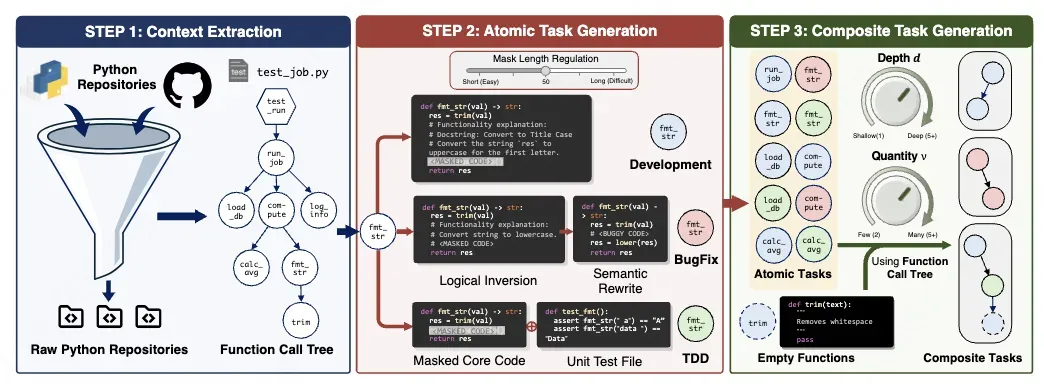
One of the primary focuses of Meituan's research at ACL 2026 is the evolution of how large language models (LLMs) are evaluated and how they handle complex reasoning tasks. As the industry moves away from simple prompt-response interactions, the ability of a model to navigate "Complex Process Reasoning" becomes paramount. Meituan’s research in this area suggests a shift toward models that can decompose multi-step problems and maintain logical consistency throughout a long-form task.
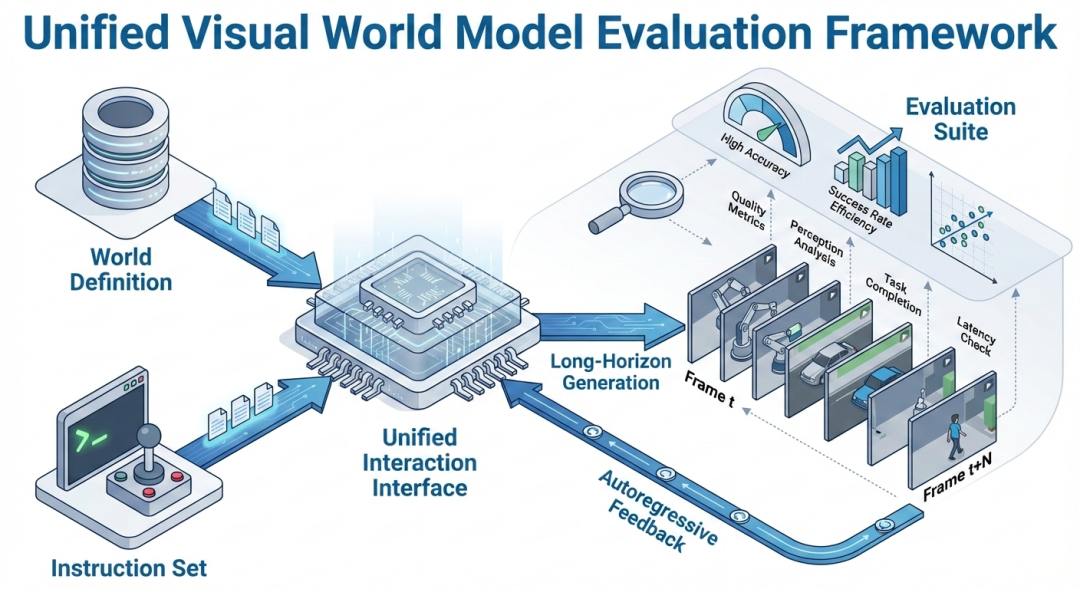
Furthermore, the focus on "Large Model Evaluation" indicates a move toward more robust and nuanced benchmarking. In the current AI landscape, traditional metrics often fail to capture the true utility of a model in specialized domains. By contributing to this field, Meituan is helping to define the standards by which the next generation of generative models will be measured, ensuring that performance is not just about fluency but also about accuracy and reliability in complex workflows.
Mathematical Optimization and Reinforcement Learning
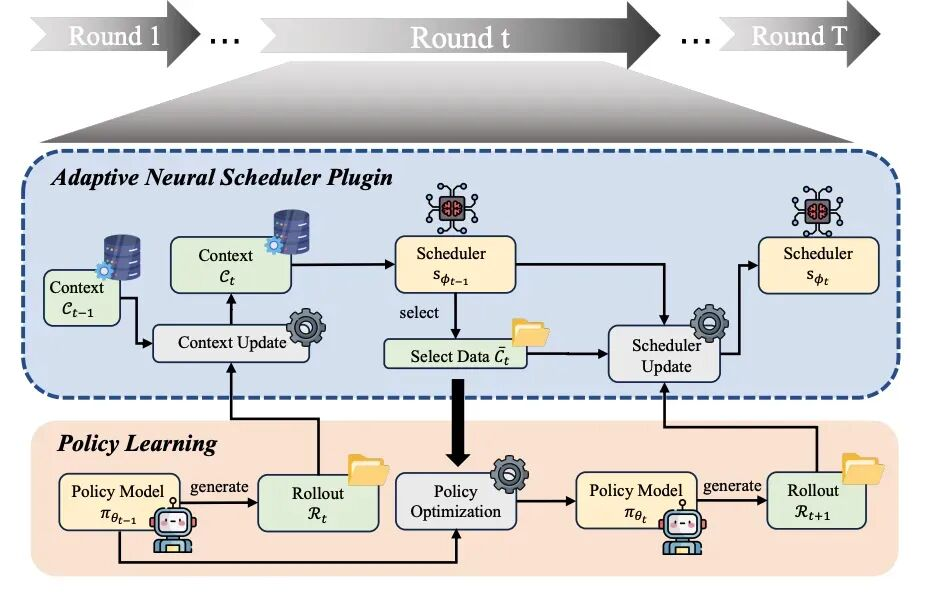
Meituan has also dedicated significant research to "Competition-level Mathematical Thinking Optimization." This represents a high bar for AI, as mathematical reasoning requires a level of precision and logic that exceeds standard conversational tasks. Optimizing for this level of thinking suggests that Meituan is working on enhancing the underlying cognitive architecture of their models, allowing them to tackle problems that require rigorous proof-like structures and multi-stage calculations.
Closely tied to this is the research into "Reinforcement Learning (RL) Optimization." Reinforcement learning has become a cornerstone of modern LLM training, particularly through techniques like RLHF (Reinforcement Learning from Human Feedback). Meituan’s focus on RL optimization likely points toward more efficient ways to align model outputs with specific goals or human preferences, reducing the computational overhead while increasing the quality of the model's decision-making processes. This is particularly relevant for maintaining high performance in specialized tasks like mathematical reasoning or complex coding.
The Shift Toward Generative Recommendation
Perhaps the most industry-aligned area of Meituan's research is "Generative Recommendation." Traditional recommendation systems rely heavily on discriminative models that rank existing items. However, the move toward a generative paradigm suggests a future where recommendation systems can provide more personalized, context-aware, and conversational suggestions.
By integrating generative capabilities into recommendation engines, Meituan is exploring how to make user interactions more intuitive. Instead of a static list of results, a generative system can explain why a recommendation is being made or synthesize information from multiple sources to provide a tailored response. This research direction is critical for platforms that rely on high-frequency user interaction and complex service ecosystems, as it directly impacts user engagement and satisfaction.
Industry Impact
The research presented by Meituan at ACL 2026 has several implications for the broader AI industry. First, the emphasis on complex reasoning and mathematical optimization signals that the industry is moving toward "System 2" thinking for AI—where models are capable of slower, more deliberate, and more logical processing. This is essential for the deployment of AI in high-stakes environments where errors in logic can have significant consequences.
Second, the focus on generative recommendation could redefine the user experience for digital platforms. As generative AI becomes more integrated into the core functionality of search and discovery, the boundary between "searching for information" and "receiving a recommendation" will continue to blur. Meituan’s contributions here help pave the way for more proactive and helpful AI assistants that understand user intent at a deeper level.
Finally, by contributing to the field of large model evaluation, Meituan is helping to address one of the most significant bottlenecks in AI development: the lack of standardized, high-quality metrics for complex tasks. This research will likely influence how other organizations approach model testing and validation, leading to more transparent and reliable AI systems across the board.
Frequently Asked Questions
Question: What is the significance of Meituan's papers being accepted at ACL 2026?
ACL (Association for Computational Linguistics) is one of the most prestigious international conferences in the field of NLP. Having six papers accepted demonstrates Meituan's high level of technical expertise and its significant contribution to the global AI research community, particularly in the areas of reasoning and generative paradigms.
Question: What is "Generative Recommendation" and how does it differ from traditional methods?
Traditional recommendation systems typically rank a pre-defined list of items based on user data. Generative recommendation, however, uses generative AI to create or synthesize recommendations in a more conversational and contextually aware manner. This allows for more personalized interactions and the ability to explain recommendations to the user.
Question: Why is "Competition-level Mathematical Thinking" important for AI models?
Mathematical thinking is a benchmark for advanced reasoning. If a model can solve competition-level math problems, it demonstrates a high degree of logical consistency, the ability to follow complex rules, and the capacity for multi-step problem-solving. These traits are highly transferable to other difficult tasks like software engineering and legal analysis.