
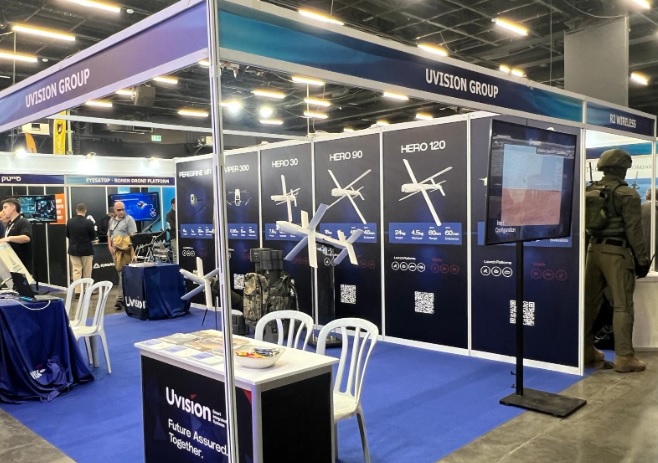
Nasdaq-Bound Arms Maker UVision Targets $4 Billion Valuation for HERO Loitering Munitions Portfolio
UVision, a prominent arms manufacturer, is seeking a $4 billion valuation as it prepares for its debut on the Nasdaq exchange. The company is recognized for its HERO loitering munitions, which offer versatile deployment options including man-portable and vehicle-launched configurations. This strategic financial move underscores the company's positioning within the global defense sector and highlights the growing market interest in specialized loitering munitions technology. As the company moves toward its Nasdaq listing, the $4 billion target sets a significant milestone for the firm and the broader defense industry, reflecting the value placed on portable and vehicle-integrated munitions systems. The transition to a public listing suggests a strategic intent to scale operations and capitalize on the demand for advanced defense hardware.
Key Takeaways
- Nasdaq Listing Goal: UVision is currently preparing for a public debut on the Nasdaq exchange.
- Valuation Target: The arms manufacturer is aiming for a significant valuation of $4 billion.
- Product Specialization: The company's primary focus involves the HERO line of loitering munitions.
- Deployment Versatility: UVision's technology supports multiple deployment methods, specifically man-portable and vehicle-launched configurations.
In-Depth Analysis
Strategic Financial Positioning on the Nasdaq
UVision's move to become a Nasdaq-bound entity signifies a major transition for the arms manufacturer. By targeting a $4 billion valuation, the company is positioning itself as a high-value player in the defense sector. This valuation reflects the perceived market worth of its specialized munitions technology and its potential for growth within the public markets. The transition to a Nasdaq listing typically involves rigorous financial scrutiny and suggests a strategic intent to access broader capital markets to support its ongoing operations and the continued development of the HERO product line. The $4 billion figure serves as a benchmark for the company's current standing and its future expectations in the global financial landscape.
Technical Capabilities and Versatility of HERO Munitions
The core of UVision's market proposition lies in its HERO loitering munitions. These systems are characterized by their flexible deployment options, which are critical for modern defense requirements. The inclusion of man-portable systems indicates a focus on providing tactical advantages to individual units on the ground, allowing for ease of transport and rapid deployment in various environments. Conversely, the vehicle-launched systems suggest a capability for integration into larger military platforms, providing a scalable solution for broader tactical applications. The dual focus on man-portable and vehicle-launched systems demonstrates a comprehensive approach to munitions design, catering to different operational needs and ensuring that the HERO series remains adaptable across different combat scenarios.
Market Valuation and Corporate Growth
The $4 billion valuation target is a testament to the specialized nature of UVision's offerings. As an arms maker specializing in loitering munitions, the company occupies a specific niche that has seen increased attention. The decision to list on the Nasdaq, a platform known for technology and growth-oriented companies, aligns with the high-tech nature of the HERO munitions. This financial strategy is designed to solidify UVision's presence in the international market, providing the necessary capital to maintain its competitive edge in the production of man-portable and vehicle-launched defense systems.
Industry Impact
The pursuit of a $4 billion valuation by a specialized arms maker like UVision highlights the increasing financial significance of the loitering munitions sector. As the company prepares for its Nasdaq listing, it sets a significant precedent for other firms within the defense technology space. The focus on versatile, portable, and vehicle-integrated systems like the HERO series underscores a shift in industry priorities toward adaptable and precision-oriented hardware. This move is likely to draw further attention to the intersection of high-tech munitions and public capital markets, potentially influencing how similar defense technologies are valued and funded in the future.
Frequently Asked Questions
Question: What is the target valuation for UVision's upcoming Nasdaq listing?
UVision is targeting a valuation of $4 billion as it prepares to list on the Nasdaq exchange.
Question: What are the primary deployment methods for UVision's HERO munitions?
Based on the company's product specifications, the HERO loitering munitions include both man-portable systems and vehicle-launched systems.
Question: What type of hardware does UVision specialize in?
UVision is an arms maker that specializes in the production of loitering munitions, specifically the HERO series, which are designed for various tactical deployment needs.

