
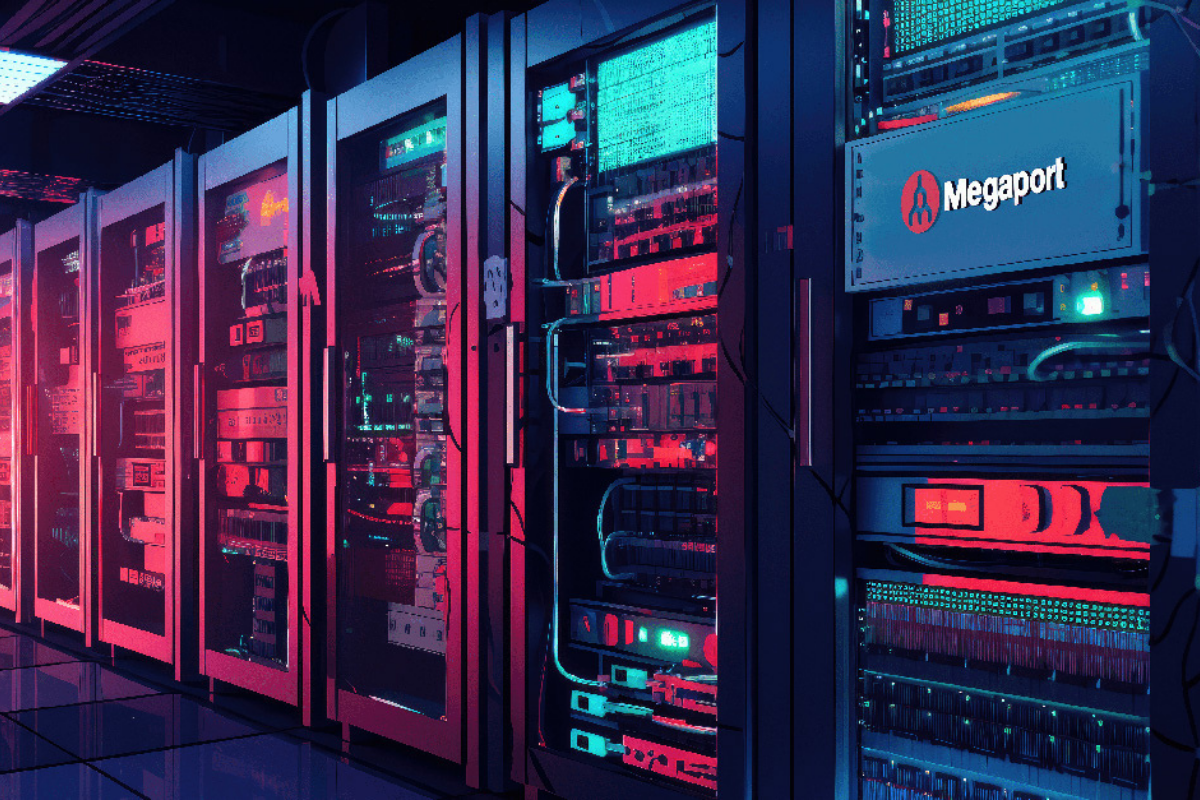
Australia’s Megaport Secures $593 Million Raise to Launch Global AI Inference Cloud
Megaport, the Australian-based network service provider, has successfully secured a $593 million capital raise alongside new strategic AI-focused deals. A primary component of this financial milestone is the company's plan to invest A$350 million into the development of a globally distributed AI inference cloud. This move signifies a major strategic expansion for Megaport, aiming to provide the essential infrastructure required for low-latency AI processing on a global scale. By leveraging its networking expertise, Megaport intends to address the growing demand for localized AI compute capabilities, positioning itself as a pivotal player in the rapidly evolving artificial intelligence infrastructure market.
Key Takeaways
- Megaport has secured a total of $593 million in a recent funding raise and strategic AI deals.
- The company plans to allocate A$350 million specifically toward a globally distributed AI inference cloud.
- This investment highlights a strategic shift toward supporting the high-performance infrastructure needs of the AI industry.
- The initiative focuses on the 'inference' stage of AI, which is critical for real-time application performance.
In-Depth Analysis
Strategic Capital Allocation for AI Infrastructure
The announcement that Megaport has secured $593 million marks a significant turning point for the Australian technology firm. By earmarking A$350 million for a globally distributed AI inference cloud, Megaport is directly addressing one of the most pressing bottlenecks in the current AI landscape: the availability of localized compute power. While much of the industry's focus has been on the massive data centers required for training large language models, the 'inference' phase—where trained models process live data to provide answers or perform tasks—requires a different architectural approach. Megaport’s investment suggests a commitment to building the specialized environment necessary for these operations to occur efficiently across various geographic regions.
The Move Toward Distributed AI Inference
The decision to build a 'globally distributed' cloud is a strategic response to the latency requirements of modern AI applications. In the context of AI, inference must often happen as close to the end-user as possible to ensure real-time responsiveness. By utilizing a distributed model, Megaport can offer reduced latency compared to centralized cloud providers. This infrastructure is essential for industries requiring immediate AI feedback, such as autonomous systems, real-time data analytics, and interactive consumer AI. The A$350 million investment will likely be utilized to deploy the necessary hardware and networking protocols to support these high-demand workloads across Megaport's existing and expanding global footprint.
Synergy Between Networking and AI Compute
Megaport’s background as a Network as a Service (NaaS) provider gives it a unique advantage in the AI inference market. AI workloads are notoriously data-intensive, requiring robust and flexible networking to move information between users and compute nodes. By integrating an AI inference cloud into its global network, Megaport can provide a seamless end-to-end solution. This integration simplifies the complexity for enterprises looking to deploy AI models globally, as they can manage both their connectivity and their inference compute through a single provider. This synergy is likely a key driver behind the $593 million raise and the subsequent AI deals mentioned in the report.
Industry Impact
The significance of Megaport’s entry into the AI inference space cannot be overstated. As the AI industry matures, the focus is shifting from model development to model deployment. This shift creates a massive demand for infrastructure that can handle inference at scale. Megaport’s A$350 million commitment signals to the market that specialized, distributed infrastructure is the next frontier of the AI boom. For the broader AI ecosystem, this could lead to more accessible and higher-performing AI services for global users. Furthermore, it establishes Australia as a significant contributor to the global AI infrastructure supply chain, demonstrating that the physical and networking layers of AI are just as critical as the software and algorithms themselves.
Frequently Asked Questions
Question: How much is Megaport investing in its new AI project?
Megaport has announced plans to invest A$350 million specifically into the development of a globally distributed AI inference cloud.
Question: What was the total amount of the capital raise?
According to the latest reports, Megaport secured a total raise of $593 million, which includes new AI deals.
Question: Why is a 'distributed' cloud important for AI inference?
A distributed cloud allows AI processing to happen closer to where the data is generated or where the user is located. This reduces latency, which is vital for the performance of real-time AI applications.


