YouTube Enhances Platform Transparency with Simplified AI Labels and New Automated Detection Systems
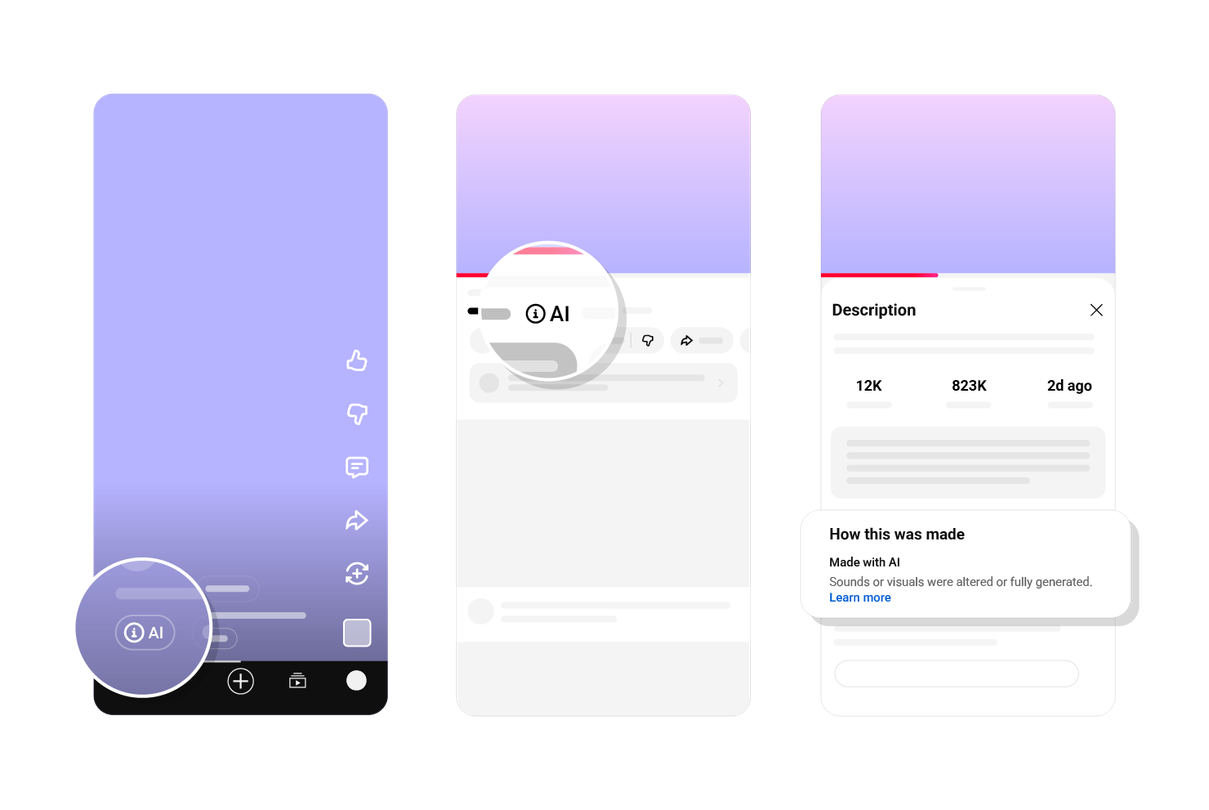
YouTube has announced a significant update to its generative AI transparency policies, introducing simplified AI labels and automated detection features. Building upon the disclosure framework established in 2024, these updates are designed to make the identification of AI-generated content more intuitive for both creators and viewers. The move comes in response to consistent community feedback emphasizing the value of transparency in the age of synthetic media. By streamlining the labeling process and implementing auto-detection, YouTube aims to provide a clearer viewing experience while reducing the complexity for creators who utilize generative AI tools in their content production workflow.
Key Takeaways
- Simplified Labeling System: YouTube is transitioning to a more intuitive AI disclosure process to improve clarity for the global community.
- Introduction of Auto-Detection: The platform is implementing automated systems to detect AI-generated content, moving beyond a purely disclosure-based model.
- Community-Driven Updates: These changes are a direct response to consistent feedback from users regarding the importance of transparency in generative AI.
- Evolution of 2024 Policies: The new updates build upon the foundation of AI labeling that YouTube first introduced in 2024.
In-Depth Analysis
The Evolution of AI Transparency on YouTube
Since 2024, YouTube has maintained a policy requiring creators to disclose the use of generative AI tools in their content. This initial phase relied heavily on creator honesty and manual disclosure. However, as generative AI technology has become more sophisticated and integrated into creative workflows, the platform has recognized the need for a more robust system. The latest announcement marks a shift toward a more proactive stance. By introducing "Simplified AI Labels," YouTube is addressing the potential for confusion that may have existed under the previous framework. The goal is to create a standardized visual language that viewers can instantly recognize, ensuring that the distinction between synthetic and organic content is clear without requiring deep technical knowledge from the audience.
Integrating Auto-Detection and Creator Intuition
One of the most significant components of this update is the mention of "Auto-Detection." This suggests a technological leap in how the platform manages its ecosystem. While the 2024 policy focused on creator-led disclosure, the move toward automated detection implies that YouTube is deploying its own internal AI tools to identify synthetic media. This dual approach—combining simplified manual labels with automated oversight—aims to create a more comprehensive safety net for transparency. For creators, the focus on making the process "simpler and more intuitive" suggests that the administrative burden of disclosing AI use will be reduced, potentially integrating these labels directly into the upload flow or through automated suggestions based on the content detected.
Responding to Community Expectations
YouTube's decision-making process for these updates has been heavily influenced by its user base. The platform noted that they have "heard consistently from our community" about the high value placed on transparency. In an era where deepfakes and AI-altered media are becoming common, the trust between a platform and its users is often tied to the platform's ability to provide context. By refining these labels to be more intuitive, YouTube is attempting to stay ahead of the curve in digital literacy. The focus is not just on the existence of a label, but on the utility of that label—ensuring that the information provided is actually useful and understandable for the average viewer navigating a diverse feed of content.
Industry Impact
Setting a Standard for Digital Trust
As one of the world's largest video-sharing platforms, YouTube’s move to automate and simplify AI labeling sets a significant precedent for the broader social media and tech industry. By formalizing these processes, YouTube is establishing a benchmark for how synthetic media should be handled at scale. This move likely signals to other platforms that manual disclosure alone may no longer be sufficient to maintain user trust. The industry is moving toward a model where platform-level detection and standardized labeling are expected features rather than optional extras.
Implications for the Creator Economy
For the creator economy, these updates represent a double-edged sword. On one hand, simplified tools make it easier for creators to remain compliant with platform policies, reducing the risk of accidental non-disclosure. On the other hand, the introduction of auto-detection means that the platform is taking a more active role in monitoring content creation methods. This could lead to a more regulated environment for creators who experiment with AI, but it also provides a layer of protection for viewers, ensuring that the "human" element of content remains verifiable. As AI tools become standard in video editing, these labels will likely become as common as "paid promotion" tags, normalizing the presence of AI while maintaining ethical boundaries.
Frequently Asked Questions
Question: How do the new AI labels differ from the ones introduced in 2024?
YouTube is focusing on making the new labels "simplified" and "more intuitive." While the 2024 labels were a starting point for transparency, the updated versions are designed based on user feedback to be easier to understand for viewers and easier to implement for creators.
Question: What is "Auto-Detection" in the context of YouTube's AI policy?
Auto-detection refers to YouTube's internal systems that can automatically identify content generated or altered by AI. This complements the manual disclosure process, providing an additional layer of transparency even if a creator does not manually apply a label.
Question: Why is YouTube making these changes now?
According to the YouTube Team, the community has consistently expressed a desire for transparency regarding generative AI. After learning what users find useful since the 2024 rollout, the platform is updating its tools to better meet those expectations for clarity and ease of use.