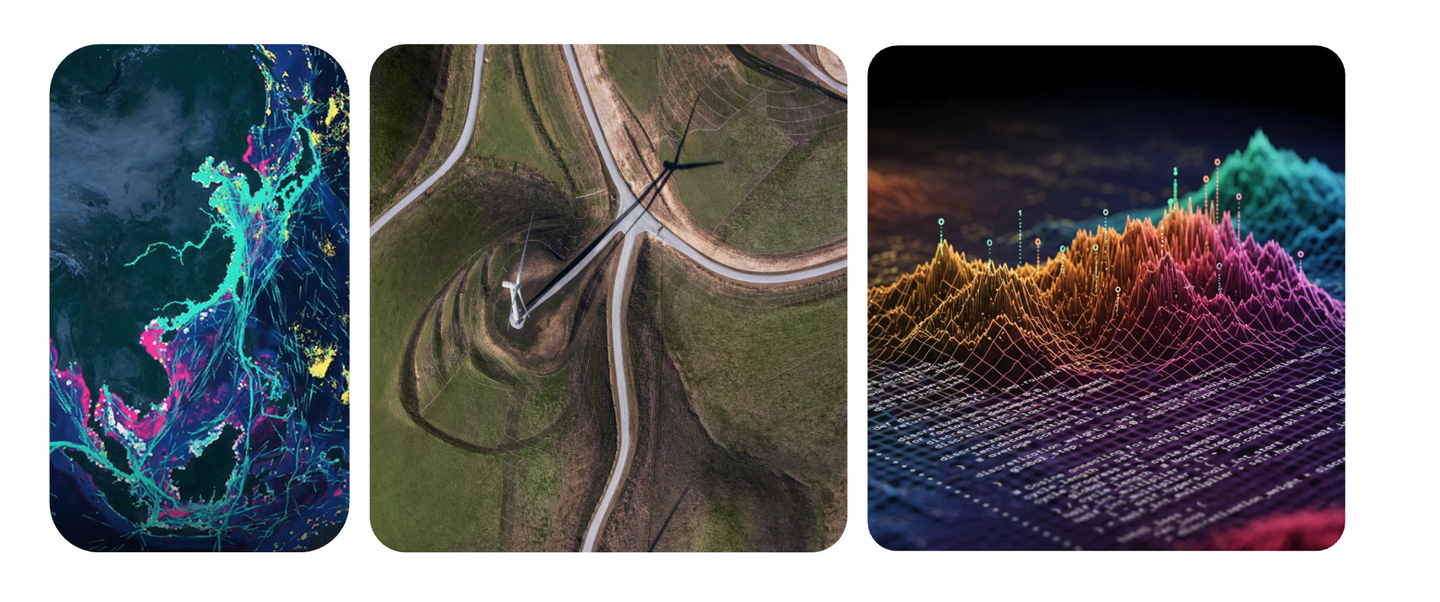
Google DeepMind Launches Asia Pacific Accelerator Program to Combat Regional Environmental Risks
Google DeepMind has officially announced the launch of a new Accelerator program specifically targeting the Asia Pacific (APAC) region. This initiative is designed to leverage advanced artificial intelligence technologies to address and mitigate pressing environmental risks. By focusing on the unique ecological challenges faced by APAC countries, the program aims to foster innovation in climate resilience, disaster response, and sustainable resource management. The announcement underscores a strategic shift toward localized AI applications for global environmental health, positioning Google DeepMind as a central player in the intersection of technology and ecological preservation within one of the world's most climate-vulnerable regions.
Key Takeaways
- Regional Focus: Google DeepMind is establishing a dedicated AI accelerator program specifically for the Asia Pacific (APAC) region.
- Environmental Mandate: The primary objective of the program is to tackle environmental risks through innovative AI-driven solutions.
- Strategic Expansion: This launch represents a significant expansion of Google DeepMind’s efforts to apply machine learning to real-world ecological challenges.
- Innovation Ecosystem: The program is designed to support and accelerate the development of technologies that address climate change and environmental sustainability.
In-Depth Analysis
Addressing Environmental Vulnerability in APAC
The launch of the Google DeepMind Accelerator program in the Asia Pacific region marks a critical juncture in the application of artificial intelligence for environmental protection. The APAC region is home to some of the world's most diverse ecosystems, yet it simultaneously faces disproportionate risks from climate change, including rising sea levels, extreme weather events, and biodiversity loss. By establishing a localized accelerator, Google DeepMind acknowledges that environmental risks are not uniform and require specialized, data-driven approaches that consider regional geography, climate patterns, and socio-economic factors.
The program's focus on "environmental risks" suggests a broad scope, likely encompassing areas such as predictive modeling for natural disasters, optimization of renewable energy grids, and the monitoring of deforestation or illegal fishing. By providing resources and expertise to innovators within the region, the accelerator aims to bridge the gap between theoretical AI research and practical, scalable environmental solutions. This initiative highlights the transition of AI from a general-purpose tool to a targeted instrument for ecological intervention.
The Role of AI Accelerators in Climate Action
Google DeepMind’s decision to utilize an accelerator model reflects a strategic move to catalyze the growth of the environmental tech ecosystem. Unlike traditional research grants, an accelerator provides a structured environment for rapid development, offering mentorship, technical infrastructure, and access to Google’s vast computational resources. This model is particularly effective for environmental challenges, which often require the processing of massive datasets—such as satellite imagery, atmospheric data, and oceanographic sensors—that are difficult for smaller entities to manage independently.
Furthermore, by focusing on the Asia Pacific region, Google DeepMind is positioning itself at the heart of global climate innovation. The accelerator will likely serve as a hub for cross-disciplinary collaboration, bringing together AI researchers, environmental scientists, and local policymakers. This collaborative framework is essential for ensuring that the AI solutions developed are not only technically sound but also culturally and regulatory appropriate for the diverse nations within the APAC territory. The success of this program could set a precedent for how global technology leaders engage with regional environmental crises.
Industry Impact
The introduction of the Google DeepMind Accelerator in APAC is poised to have a profound impact on the AI and environmental technology sectors. First, it signals to the global market that environmental risk mitigation is a primary frontier for AI commercialization and social impact. This may encourage other tech giants to increase their investments in regional sustainability projects, leading to a more robust global infrastructure for climate-tech.
Second, the program will likely accelerate the professionalization of "Green AI" in Asia. By providing a platform for startups and researchers, Google DeepMind is helping to define the standards for how AI should be used to track and combat environmental degradation. This could lead to the development of new benchmarks for algorithmic efficiency and data transparency in environmental monitoring. Finally, the move strengthens Google’s footprint in the APAC region, fostering a new generation of AI talent focused on solving some of the most urgent problems of the 21st century, thereby aligning technological progress with planetary health.
Frequently Asked Questions
Question: What is the primary goal of the Google DeepMind Accelerator in Asia Pacific?
The primary goal is to support the development and deployment of AI technologies that can identify, analyze, and mitigate environmental risks specific to the Asia Pacific region.
Question: Why was the Asia Pacific region chosen for this program?
While the original announcement focuses on the launch, the APAC region is widely recognized as being highly vulnerable to environmental risks and climate change, making it a critical area for the application of advanced AI solutions.
Question: Who can participate in the Google DeepMind Accelerator program?
The program is designed for innovators and entities within the Asia Pacific region who are working on AI-driven solutions to tackle environmental challenges.