Flock Safety Faces Backlash After Using Sensitive Camera Feeds of Children for Sales Demonstrations in Georgia
Residents of Dunwoody, Georgia, have expressed deep concern following revelations that employees of the surveillance firm Flock Safety accessed sensitive camera feeds—including those in a children’s gymnastics room and schools—to conduct sales demonstrations for police departments. The practice was uncovered by resident Jason Hunyar through a public records request for access logs, leading to a public debate over privacy and corporate ethics. While Flock Safety defends the access as part of an authorized 'demo partner program' intended for product development and debugging, critics argue the use of live community footage for marketing purposes crosses a line. Despite the controversy and the company's claims of 'radical transparency,' the incident highlights the growing tension between public safety technology and individual privacy rights in the AI surveillance era.
Key Takeaways
- Sensitive Access Uncovered: Flock Safety employees accessed cameras in locations such as children’s gymnastics rooms, playgrounds, schools, and a Jewish community center for sales demos.
- Resident-Led Investigation: The discovery was made by Dunwoody resident Jason Hunyar, who obtained internal access logs through a public records request.
- Corporate Defense: Flock Safety maintains that the access was part of an authorized "demo partner program" and was used for debugging and product development.
- Transparency Claims: The company argues it is more transparent than competitors because it maintains and provides access logs to the public upon request.
- Ongoing Partnership: Despite the public outcry and the nature of the revelations, the city has reportedly continued its contractual relationship with the surveillance provider.
In-Depth Analysis
The Discovery of Sensitive Surveillance Access
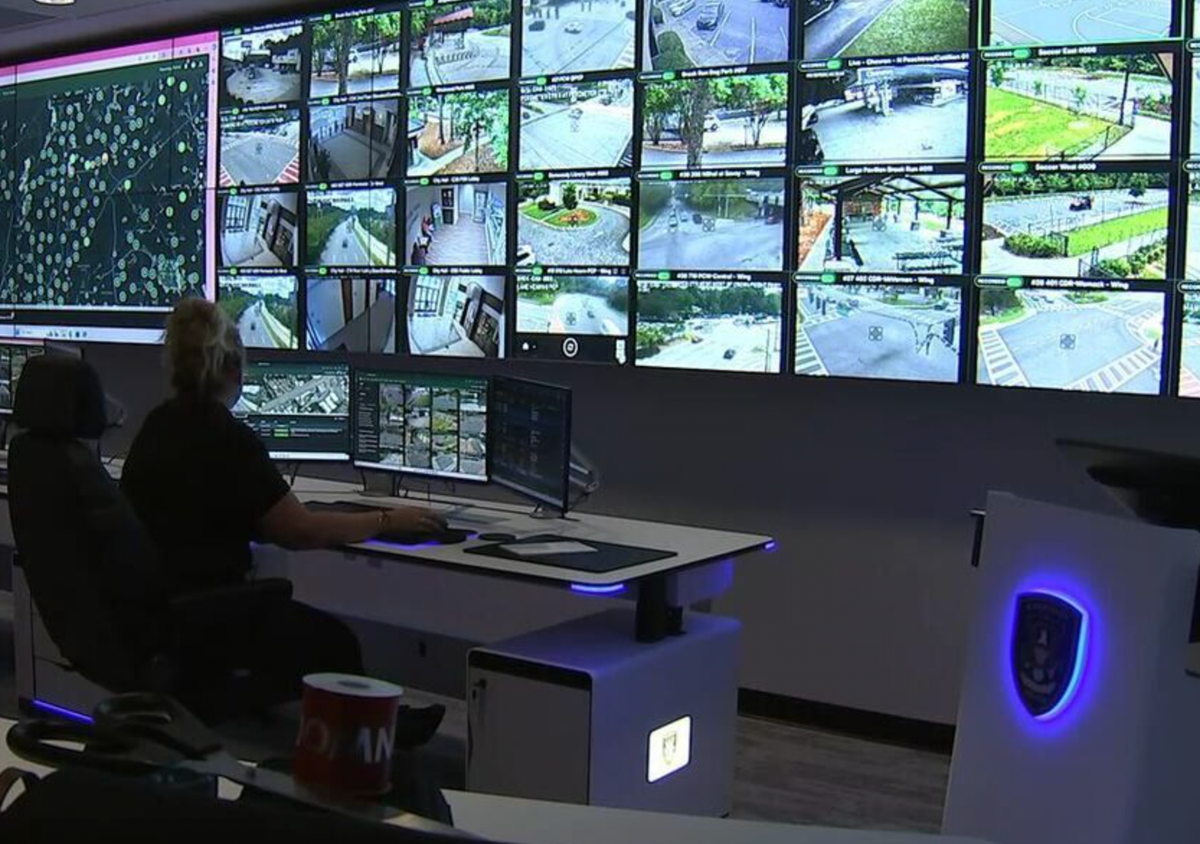
The controversy in Dunwoody, Georgia, began when resident Jason Hunyar utilized public records requests to scrutinize the operations of Flock Safety, a prominent provider of license plate recognition and surveillance technology. The resulting access logs revealed a pattern that many residents found disturbing: Flock sales employees were accessing live camera feeds from highly sensitive locations to demonstrate the technology's capabilities to potential law enforcement clients across the country.
The specific locations identified in the logs include a children’s gymnastics room, a playground, a local school, a pool, and a Jewish community center. The revelation that private company employees were viewing these feeds for marketing purposes sparked immediate backlash. Hunyar documented his findings in a blog post titled “Why Are Flock Employees Watching Our Children?”, a characterization that Flock Safety has since fought to debunk in public forums and social media.
Flock Safety’s "Demo Partner Program" Defense
In response to the allegations, Flock Safety has provided a multi-layered defense of its practices. A spokesperson for the company clarified that Dunwoody is a participant in their "demo partner program." According to the company, cities in this program have explicitly authorized select employees to use their camera feeds to demonstrate new features and products as they are developed.
Furthermore, Flock asserts that access is often necessary for technical reasons. The company stated that engineers may access accounts with customer permission to debug or fix technical issues. Flock has been adamant in its stance that the characterization of their actions as "spying" is unequivocally false. They maintain that the technology is strictly intended to assist police and city officials in stopping major crimes, and that any access performed by employees was within the bounds of their partnership agreements with the city.
The Paradox of Radical Transparency
One of the more unique aspects of Flock Safety’s defense is its claim to "radical transparency." The company argues that the very fact that Jason Hunyar was able to obtain these logs proves their commitment to accountability. Flock’s leadership pointed out the irony of the situation, suggesting that they are one of the few technology companies in the surveillance space that creates such detailed access logs and makes them available via public records requests.
However, this defense creates a paradox: while the company is transparent about who is accessing the data, the nature of that access—using sensitive public locations for corporate sales pitches—remains the core of the public's grievance. The company continues to assert that their mission is centered on public safety, despite the friction caused by their internal demo practices.
Industry Impact
Ethical Standards in Sales Demonstrations
This incident sets a significant precedent for the AI and surveillance industry regarding the use of live data. It raises critical questions about whether "authorized access" for technical support should ever extend to sales and marketing demonstrations, especially when the data involves sensitive populations like children or religious community centers. The industry may face pressure to establish clearer boundaries between technical debugging and commercial promotion.
The Role of Public Records in AI Auditing
The Dunwoody case demonstrates the power of public records requests as a tool for auditing AI and surveillance companies. As more cities adopt advanced monitoring technologies, the ability for citizens to request access logs may become a standard requirement for maintaining public trust. This case highlights that transparency in logging is only the first step; the second step is the public's interpretation of and reaction to what those logs reveal.
Public-Private Partnership Scrutiny
The revelation that a city would renew a contract despite such findings suggests a high level of dependency on surveillance providers. This incident may lead to more rigorous terms in future public-private partnerships, where cities might demand stricter limitations on how their data can be used for a company's internal growth or external sales efforts.
Frequently Asked Questions
Question: What specific locations were accessed by Flock Safety employees?
According to the access logs obtained via public records requests, employees accessed camera feeds from a children’s gymnastics room, a playground, a school, a pool, and a Jewish community center in Dunwoody, Georgia.
Question: How did Flock Safety justify accessing these cameras?
Flock Safety stated that the access was part of a "demo partner program" authorized by the city. They claimed the access was used to demonstrate new products and features to other police departments and that engineers occasionally access feeds to debug or fix technical issues with customer permission.
Question: What was the community's reaction to the discovery?
Residents and activists expressed significant concern, with one resident, Jason Hunyar, publishing a blog post questioning why employees were watching children. While the company pushed back against the term "spying," the revelation caused a public controversy regarding the ethics of using sensitive community footage for sales pitches.