
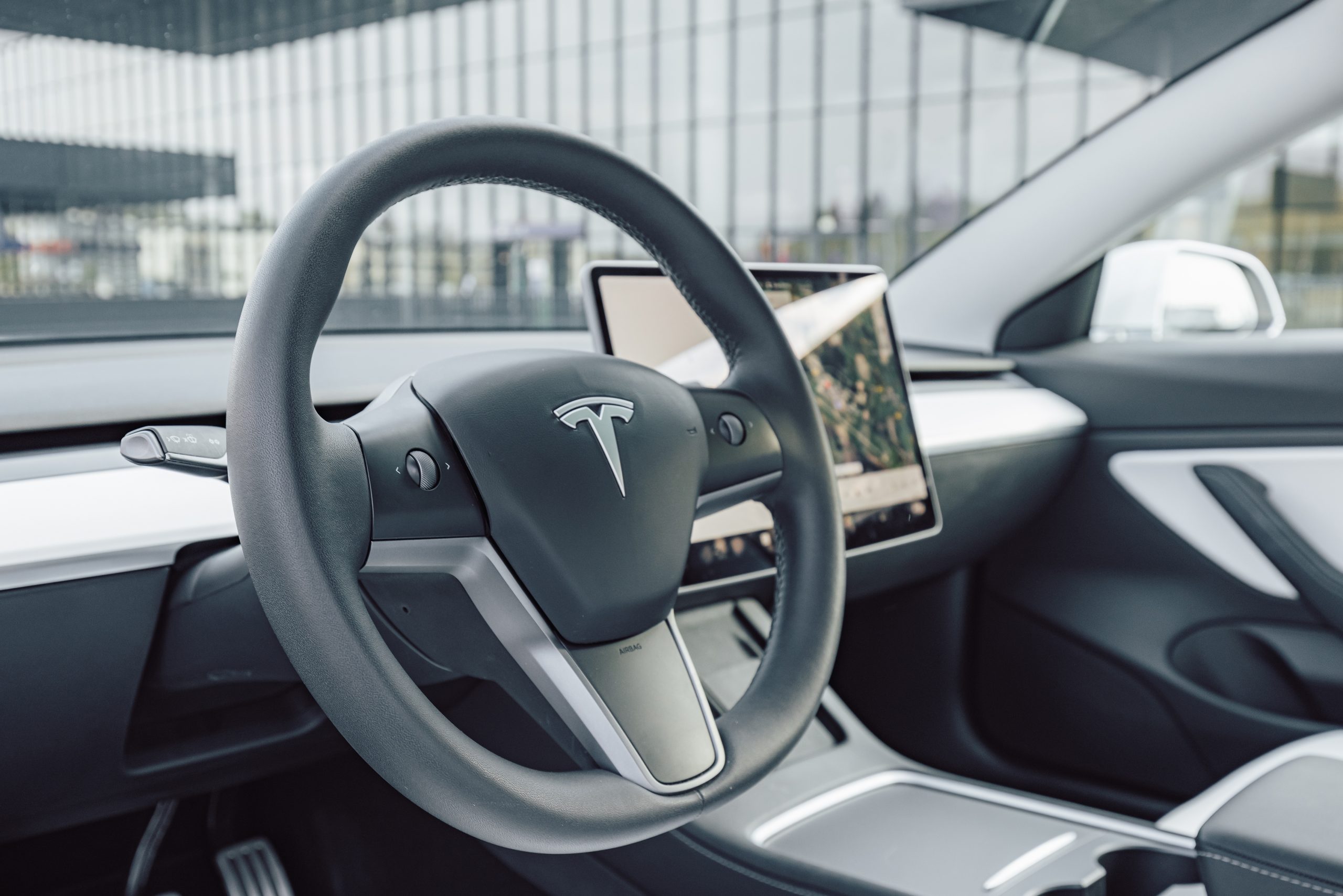
Tesla Launches Robotaxi Service in Texas: Dallas and Houston Operations Officially Begin
Tesla has officially expanded its autonomous transportation footprint by launching its robotaxi service in two major Texas cities: Dallas and Houston. This strategic rollout marks a significant milestone for the company as it transitions from a traditional electric vehicle manufacturer to a provider of autonomous ride-hailing services. While specific details regarding fleet size and pricing models were not disclosed in the initial announcement, the deployment in these high-traffic urban centers signifies Tesla's commitment to scaling its self-driving technology in real-world environments. The move places Tesla in direct competition with other autonomous vehicle operators in the region, leveraging Texas's regulatory environment to advance its vision of a fully autonomous transportation network.
Key Takeaways
- Tesla has officially launched its robotaxi service in the state of Texas.
- The service is currently available in two major metropolitan areas: Dallas and Houston.
- This rollout represents a critical step in Tesla's transition toward autonomous ride-hailing operations.
In-Depth Analysis
Strategic Expansion in Texas
Tesla's decision to launch its robotaxi service in Dallas and Houston highlights the strategic importance of the Texas market. By selecting these two major urban hubs, Tesla is positioning its autonomous technology in complex driving environments characterized by high traffic density and diverse infrastructure. This move follows the company's broader shift toward prioritizing autonomous driving software and hardware integration over traditional vehicle sales alone.
Operational Launch Details
The availability of the service in Dallas and Houston marks the transition from testing phases to active service deployment. While the original report focuses on the geographic availability, the presence of Tesla's robotaxis in these cities suggests that the necessary regulatory and technical milestones for public or semi-public operations have been met within these specific jurisdictions.
Industry Impact
The launch of Tesla's robotaxi service in Dallas and Houston carries significant weight for the AI and autonomous vehicle industry. It serves as a real-world validation of Tesla's Full Self-Driving (FSD) capabilities in a commercial capacity. Furthermore, this deployment intensifies the competition in the autonomous ride-hailing sector, potentially accelerating the adoption of AI-driven transport solutions across the United States. The move also underscores the growing role of Texas as a primary hub for autonomous vehicle innovation and commercialization.
Frequently Asked Questions
Where is the Tesla robotaxi service currently available?
As of the latest update, the service is officially available in Dallas and Houston, Texas.
Who is the provider of this new autonomous service?
The service is provided by Tesla, utilizing their proprietary autonomous driving technology.
Are there other cities included in this specific rollout?
According to the current report, the rollout is specifically focused on the Dallas and Houston markets.

