Google Research Introduces AI Agents Designed to Enhance Academic Figures and Peer Review Workflows
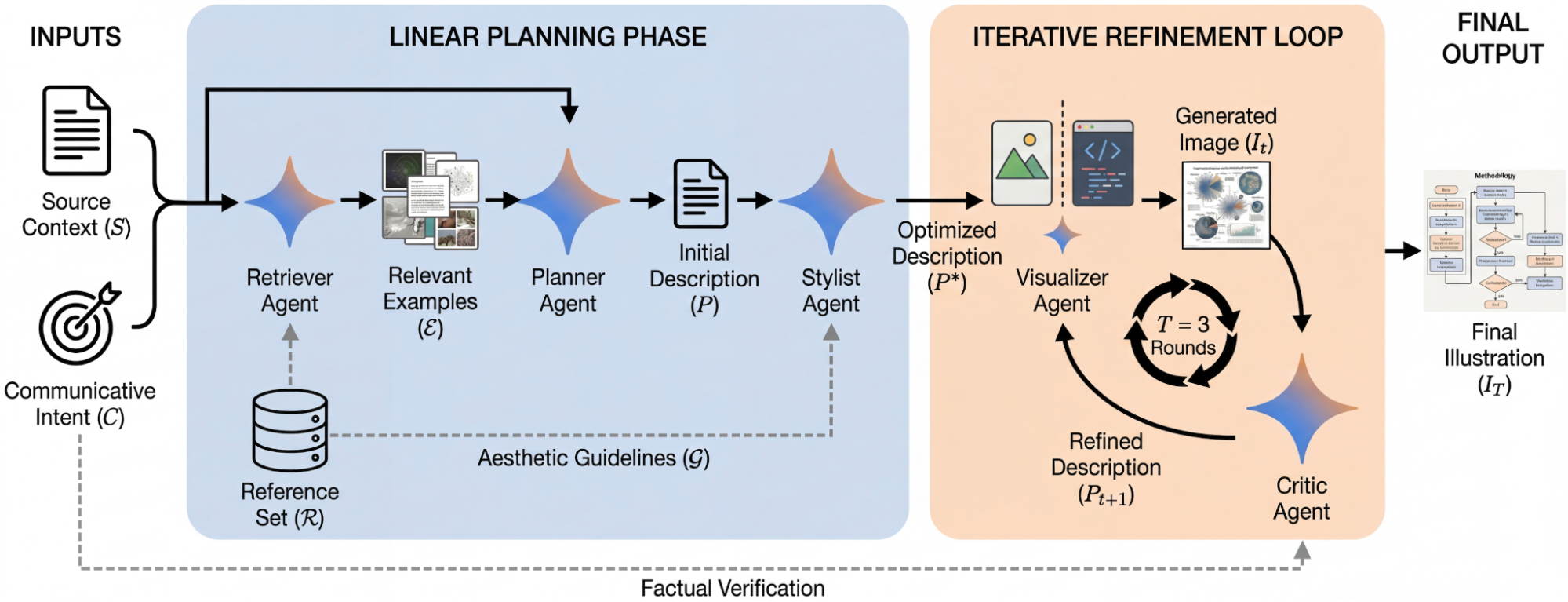
Google Research has announced the introduction of two specialized AI agents aimed at streamlining the academic workflow. These generative AI tools are specifically designed to assist researchers in creating better scientific figures and improving the peer review process. By leveraging advanced generative AI capabilities, these agents address critical pain points in scholarly publishing, helping academics produce high-quality visual data representations and navigate the complexities of peer evaluation. This development marks a significant step in integrating AI into the formal scientific research cycle, focusing on increasing efficiency and quality in academic outputs.
Key Takeaways
- Google Research has launched two new AI agents tailored for the academic community.
- The first agent focuses on improving the quality and creation of scientific figures.
- The second agent is designed to assist and enhance the academic peer review process.
- These tools utilize generative AI to streamline time-consuming tasks in the research workflow.
In-Depth Analysis
Enhancing Visual Communication in Science
One of the primary challenges in academic publishing is the creation of clear, accurate, and aesthetically professional figures. Google Research's new AI agent for figures aims to simplify this process. By applying generative AI to data visualization, the tool helps researchers transform complex datasets into high-quality illustrations that meet the rigorous standards of top-tier journals. This intervention addresses a common bottleneck where researchers may lack the graphic design expertise required to effectively communicate their findings visually.
Streamlining the Peer Review Process
The second AI agent focuses on the peer review workflow, a cornerstone of scientific integrity that is often burdened by high volumes and manual effort. This agent is designed to assist in the review cycle, potentially helping to identify key strengths and weaknesses in manuscripts or ensuring that formatting and citation standards are met. By integrating generative AI into this phase, Google Research aims to make the peer review process more efficient for both reviewers and authors, reducing the time from submission to publication.
Industry Impact
The introduction of these AI agents signifies a shift toward domain-specific generative AI applications. While general-purpose LLMs have been used informally by researchers, Google's targeted approach provides tools specifically calibrated for the nuances of academic rigor. This move is likely to influence how scientific publishers and institutions view the role of AI in research, potentially setting new standards for automated assistance in scholarly communication. It also highlights the growing importance of AI in maintaining the quality and speed of global scientific output.
Frequently Asked Questions
Question: What are the two primary functions of the new Google AI agents?
The agents are designed to assist with the creation of academic figures and to improve the efficiency of the peer review process.
Question: How does generative AI help in the academic workflow?
Generative AI assists by automating the generation of complex visual data and providing structured support during the evaluation of scientific papers, thereby saving time and improving output quality.
Question: Who is the intended audience for these tools?
These tools are primarily developed for researchers, academics, and peer reviewers involved in the scientific publishing ecosystem.