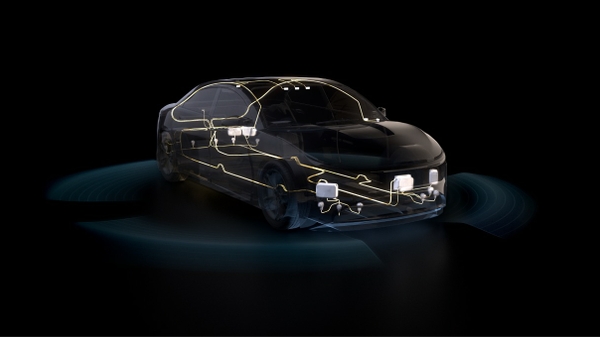
Global Automakers BYD, Geely, Isuzu, and Nissan Adopt NVIDIA DRIVE Hyperion for Level 4 Autonomous Vehicles
NVIDIA has announced a significant expansion of its NVIDIA DRIVE Hyperion platform adoption among major global automotive manufacturers. Industry giants including BYD, Geely, Isuzu, and Nissan, alongside several leading mobility providers, are integrating the platform to advance their autonomous vehicle (AV) development. This strategic move highlights a growing momentum toward the creation of safe and scalable Level 4 autonomous driving solutions. By leveraging NVIDIA's specialized AV architecture, these automakers aim to accelerate the deployment of self-driving technologies. The announcement underscores NVIDIA's central role in the evolving transportation landscape as traditional car manufacturers and mobility services transition toward highly automated systems.
Key Takeaways
- Major Partnerships: Global automotive leaders BYD, Geely, Isuzu, and Nissan have officially adopted the NVIDIA DRIVE Hyperion platform.
- Level 4 Focus: The adoption is specifically aimed at developing Level 4 autonomous vehicles and scalable mobility solutions.
- Industry Momentum: The collaboration reflects a rapid acceleration in the development of safe and scalable autonomous vehicle (AV) technologies.
- Broad Adoption: Beyond traditional automakers, leading mobility providers are also integrating the DRIVE Hyperion architecture into their fleets.
In-Depth Analysis
Expansion of the NVIDIA DRIVE Hyperion Ecosystem
NVIDIA has reported an expansive growth in the adoption of its DRIVE Hyperion platform, a production-ready architecture designed for autonomous vehicles. The inclusion of diverse manufacturers such as BYD and Geely—major players in the electric vehicle market—alongside established names like Nissan and commercial vehicle specialist Isuzu, demonstrates the platform's versatility. This ecosystem expansion suggests that the industry is gravitating toward standardized, high-performance computing foundations to manage the immense data processing requirements of Level 4 autonomy.
Accelerating Scalable Autonomous Development
The primary objective behind these partnerships is the pursuit of safe and scalable autonomous vehicle development. By utilizing a unified platform like DRIVE Hyperion, automakers can streamline the transition from experimental prototypes to production-grade Level 4 vehicles. The involvement of mobility providers further indicates that this technology is not limited to consumer passenger cars but is also being integrated into broader transportation services, signaling a shift in how mobility is structured globally.
Industry Impact
The adoption of NVIDIA DRIVE Hyperion by these four major automakers marks a pivotal moment for the AI and automotive industries. It reinforces NVIDIA's position as a critical infrastructure provider for the next generation of transportation. For the AI industry, this signifies a massive real-world application of high-performance edge computing and machine learning models. As these manufacturers move toward Level 4 autonomy—where the vehicle can handle all driving tasks under specific conditions—the demand for robust AI hardware and software stacks will likely become the standard benchmark for the entire automotive sector.
Frequently Asked Questions
Question: Which companies have recently adopted the NVIDIA DRIVE Hyperion platform?
According to the announcement, BYD, Geely, Isuzu, and Nissan, along with various leading mobility providers, have adopted the platform.
Question: What level of autonomous driving is being targeted with this platform adoption?
The adoption of NVIDIA DRIVE Hyperion by these companies is focused on the development of Level 4 autonomous vehicles.
Question: What is the primary goal of using the NVIDIA DRIVE Hyperion architecture?
The goal is to facilitate the development of safe and scalable autonomous vehicle (AV) technology across the global automotive and mobility sectors.