
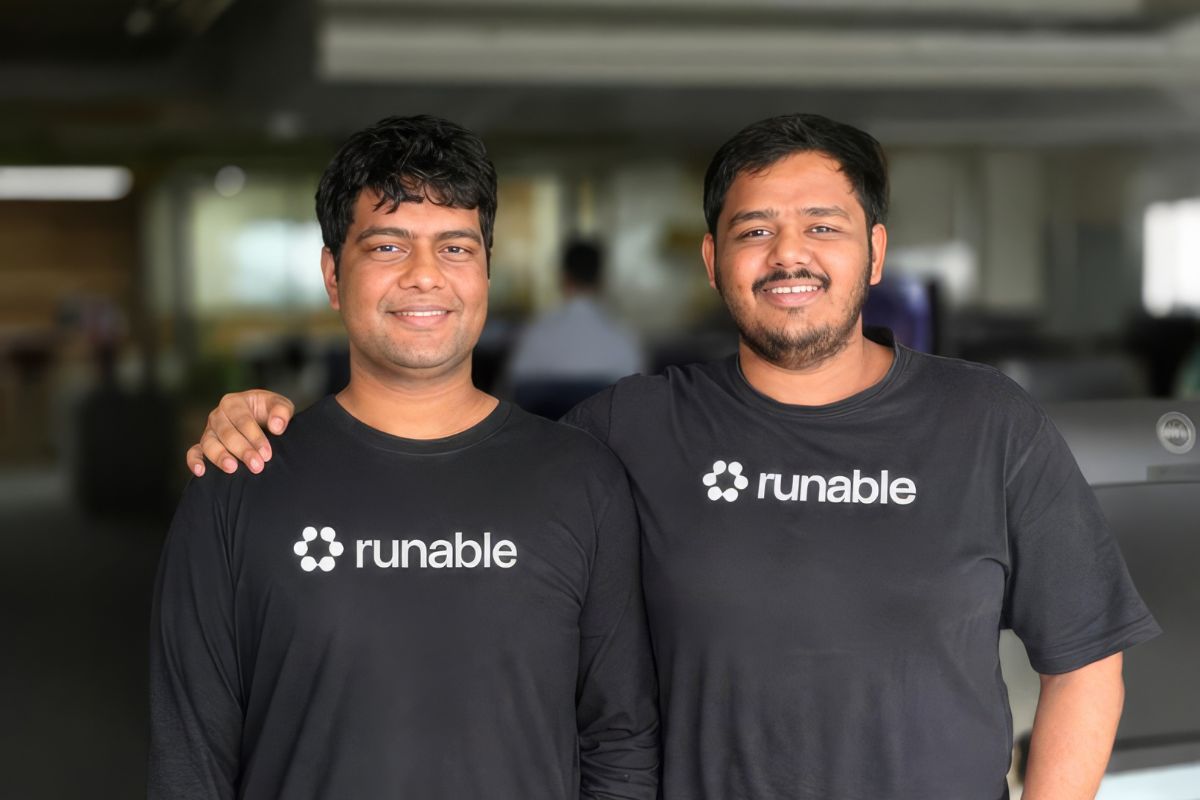
Nexus Venture Partners Leads $21 Million Funding Round for Indian AI Startup Runable to Empower Small Businesses
Indian AI startup Runable has successfully secured $21 million in a funding round led by Nexus Venture Partners. The company specializes in providing software solutions tailored for small businesses, enabling them to develop websites and mobile applications efficiently. Beyond development, Runable's platform offers integrated marketing management tools across major digital advertising channels, including ChatGPT Ads, Meta, Google, LinkedIn, and TikTok. This investment highlights the growing demand for AI-driven tools that simplify digital presence and cross-platform marketing for smaller enterprises. By consolidating development and multi-channel advertising into a single software suite, Runable aims to lower the barrier to entry for small businesses looking to compete in the digital economy.
Key Takeaways
- Significant Capital Injection: Runable has raised $21 million in a funding round led by the prominent venture capital firm Nexus Venture Partners.
- Targeting Small Businesses: The startup's primary focus is providing software that allows small businesses to create their own websites and mobile applications.
- Unified Marketing Management: The platform enables users to manage marketing campaigns across a diverse range of platforms, including ChatGPT Ads, Meta, Google, LinkedIn, and TikTok.
- Strategic Growth: The funding marks a major milestone for the Indian AI startup ecosystem, specifically in the sector of automated business infrastructure.
In-Depth Analysis
Empowering Small Businesses through Automated Development
Runable's core value proposition lies in its ability to democratize digital infrastructure for small businesses. Traditionally, the creation of professional-grade websites and mobile applications required significant capital investment and technical expertise, often placing these assets out of reach for smaller enterprises. According to the company, its software simplifies this process, allowing business owners to establish a digital presence without the need for extensive coding knowledge or large development teams. By focusing on the small business segment, Runable is addressing a massive market gap where efficiency and cost-effectiveness are paramount.
This approach aligns with the broader industry trend of "no-code" or "low-code" solutions, but with a specific emphasis on AI-driven automation. The ability for a small business to not only launch a website but also a functional application suggests that Runable's software handles complex backend requirements, providing a comprehensive digital storefront for its users.
Integrated Multi-Channel Marketing and the Rise of ChatGPT Ads
One of the most distinctive features of Runable’s software is its integrated marketing management suite. Rather than requiring businesses to navigate multiple disparate advertising dashboards, Runable consolidates marketing efforts across several of the world's largest digital platforms. This includes established giants like Meta (Facebook and Instagram), Google, LinkedIn, and TikTok.
Notably, the inclusion of ChatGPT Ads in this list highlights Runable's forward-looking approach to advertising. As conversational AI becomes a primary interface for information retrieval, managing visibility within these AI environments is becoming a critical component of modern marketing strategies. By offering a single interface to manage campaigns across both traditional social media and emerging AI platforms, Runable provides small businesses with a sophisticated toolset that was previously reserved for larger corporations with dedicated marketing departments. This integration ensures that small businesses can maintain a consistent brand presence and optimize their advertising spend across the entire digital ecosystem.
Industry Impact
The $21 million investment led by Nexus Venture Partners is a strong signal of confidence in the Indian AI startup landscape. It underscores the shift toward practical, application-layer AI that solves immediate business problems. For the AI industry, Runable’s model demonstrates how AI can be used to bridge the gap between complex technology and end-user accessibility.
Furthermore, the integration of ChatGPT Ads alongside traditional platforms like Google and Meta suggests a shift in the advertising industry. As more startups like Runable incorporate AI-native advertising channels into their management tools, we may see a more rapid adoption of AI-based marketing by the general business community. This funding round not only validates Runable’s specific product-market fit but also highlights the increasing importance of cross-platform automation in the global software-as-a-service (SaaS) market.
Frequently Asked Questions
Question: Who led the recent funding round for Runable?
The $21 million funding round for the Indian AI startup Runable was led by Nexus Venture Partners.
Question: What are the primary functions of Runable's software?
Runable's software allows small businesses to create websites and mobile applications. Additionally, it provides tools to manage marketing campaigns across various platforms including ChatGPT Ads, Meta, Google, LinkedIn, and TikTok.
Question: Which advertising platforms can be managed through Runable?
Users can manage their marketing efforts across ChatGPT Ads, Meta, Google, LinkedIn, and TikTok through the Runable platform.
