
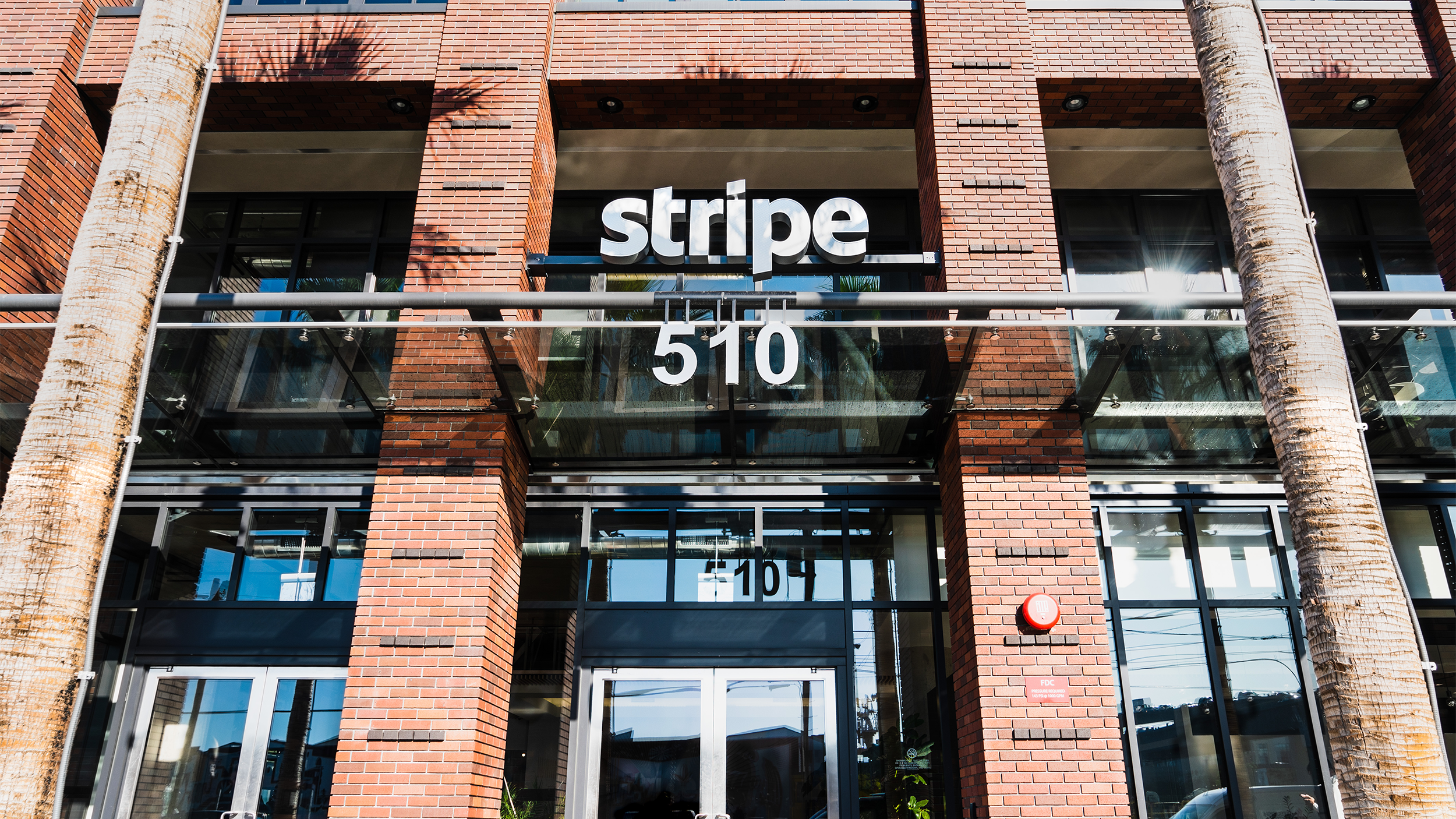
Stripe Agrees to Acquire AI Startup OpenRouter Following $1.3 Billion Valuation Milestone
Financial infrastructure giant Stripe has entered into an agreement to acquire OpenRouter, a prominent US-based artificial intelligence startup. This strategic acquisition follows a period of significant financial growth for OpenRouter, which recently concluded a US$113 million Series B funding round. The funding round had propelled the startup to a reported valuation of approximately US$1.3 billion prior to the acquisition announcement. The deal marks a major consolidation in the AI sector, as Stripe integrates a high-value AI platform into its existing ecosystem. The transition from a newly minted unicorn to a subsidiary of Stripe highlights the rapid pace of investment and acquisition within the current artificial intelligence landscape, emphasizing the strategic value placed on established AI infrastructure and talent.
Key Takeaways
- Strategic Acquisition: Stripe has officially reached an agreement to acquire the US-based AI startup OpenRouter.
- Significant Funding: Prior to the acquisition, OpenRouter successfully raised US$113 million in a Series B funding round.
- Unicorn Valuation: The startup achieved a reported valuation of approximately US$1.3 billion before the sale was finalized.
- Industry Consolidation: The move represents a significant integration of AI-focused technology into Stripe's broader financial infrastructure.
In-Depth Analysis
The Acquisition Agreement and Timing
The agreement between Stripe and OpenRouter represents a major shift in the startup's trajectory. Based on the reported information, the acquisition was set in motion following a period of intense capital raising for OpenRouter. The transition from an independent startup to being acquired by a major player like Stripe suggests a strategic alignment intended to scale OpenRouter's capabilities within a larger corporate framework. The timing is particularly noteworthy, as the acquisition follows closely on the heels of a massive Series B round, indicating that Stripe saw immediate value in the startup's market position and technological foundation.
Financial Milestones: Series B and Valuation
OpenRouter's financial standing prior to the acquisition was characterized by rapid growth and high investor confidence. The startup raised US$113 million in its Series B round, a substantial figure that underscores the capital-intensive nature of the AI industry and the perceived potential of OpenRouter's specific offerings. This influx of capital resulted in a reported valuation of US$1.3 billion. Reaching a billion-dollar valuation—often referred to as 'unicorn' status—before a sale highlights the premium that established tech companies are willing to pay for high-growth AI entities. The valuation serves as a benchmark for the scale at which OpenRouter was operating and the level of impact it had already achieved in the US AI market.
Integration into the Stripe Ecosystem
While the specific operational details of the integration remain focused on the acquisition agreement itself, the move places OpenRouter's technology under the stewardship of Stripe. As a US-based startup, OpenRouter's journey from a US$113 million funding round to a US$1.3 billion valuation and subsequent acquisition reflects the high-stakes environment of the domestic AI sector. Stripe's decision to buy the startup indicates a clear intent to internalize the advancements made by OpenRouter, potentially leveraging their Series B momentum to enhance Stripe's own technological capabilities in the artificial intelligence space.
Industry Impact
The acquisition of OpenRouter by Stripe is a significant indicator of the ongoing consolidation within the artificial intelligence industry. When a major financial infrastructure provider like Stripe acquires a startup valued at US$1.3 billion, it signals to the market that AI is a critical component of future growth and operational efficiency. This deal may set a precedent for other high-valuation AI startups, suggesting that acquisition by larger, established tech firms is a viable and perhaps preferred exit strategy over remaining independent. Furthermore, the successful Series B raise of US$113 million just before the sale demonstrates that there is still significant liquidity and appetite for AI investments, even as the industry moves toward consolidation. This event will likely influence how investors view the lifecycle of AI startups and the speed at which these companies can move from funding rounds to major exits.
Frequently Asked Questions
What was the valuation of OpenRouter before the Stripe acquisition?
OpenRouter was reported to have a valuation of approximately US$1.3 billion following its most recent funding efforts.
How much did OpenRouter raise in its Series B round?
The startup raised US$113 million in its Series B funding round prior to the reported sale to Stripe.
Where is OpenRouter based?
OpenRouter is a US-based artificial intelligence startup.
