Meituan Showcases AI Innovations at ACL 2026: Advancing LLM Evaluation, Reasoning, and Generative Systems
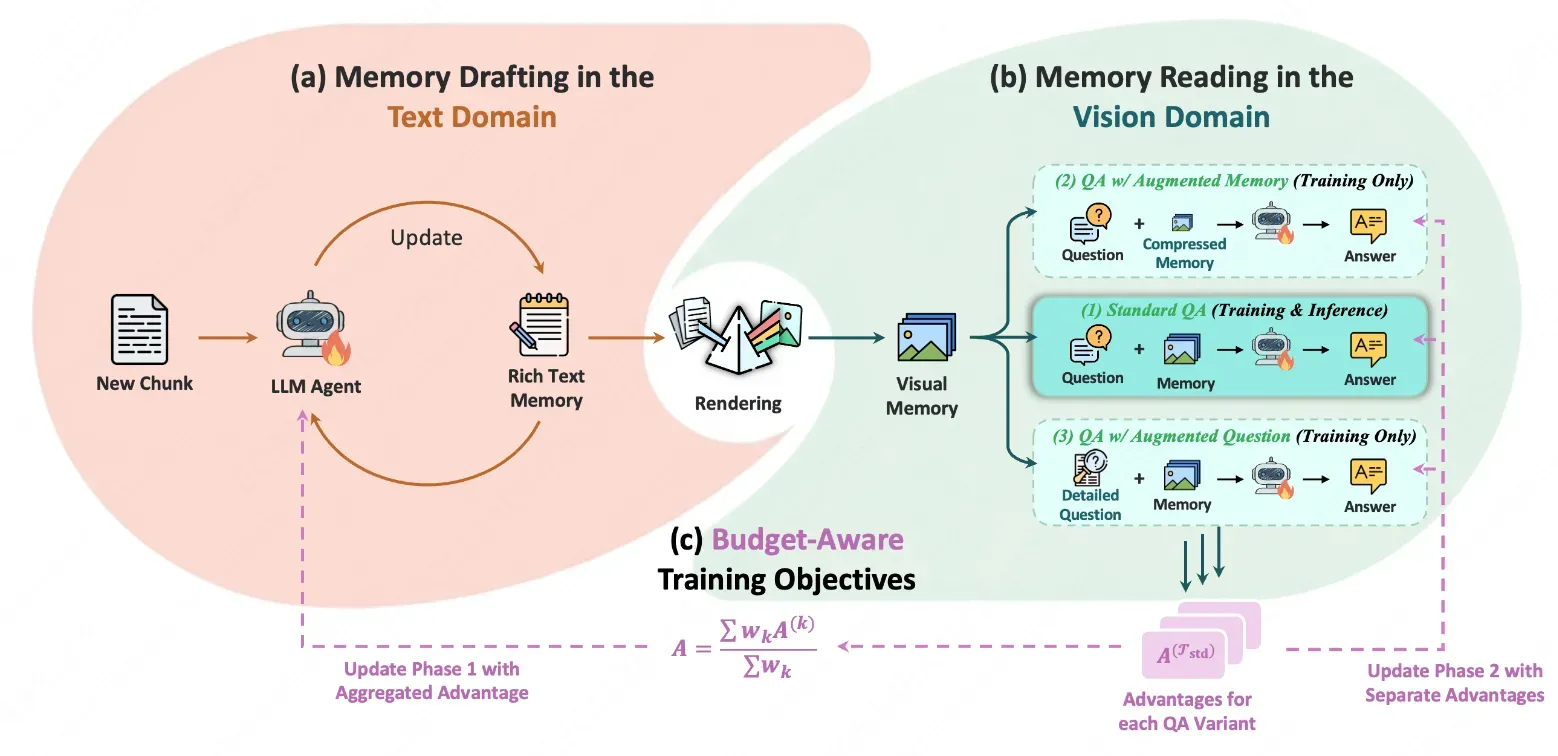
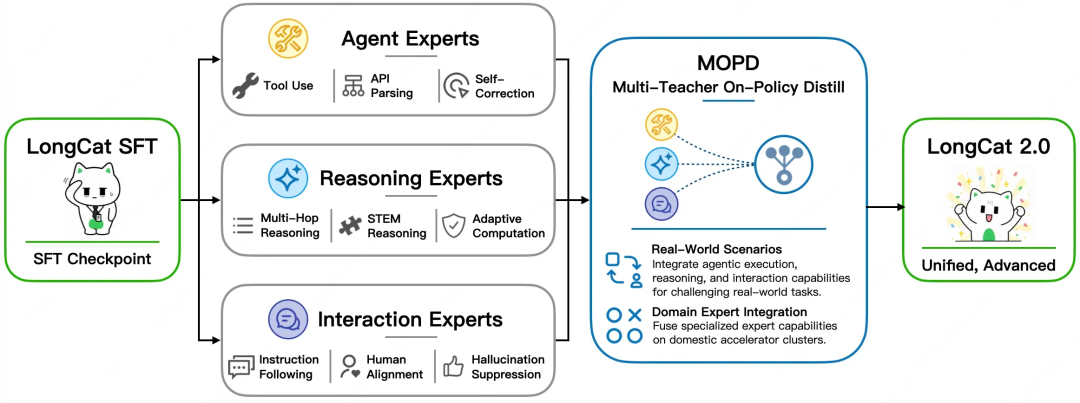
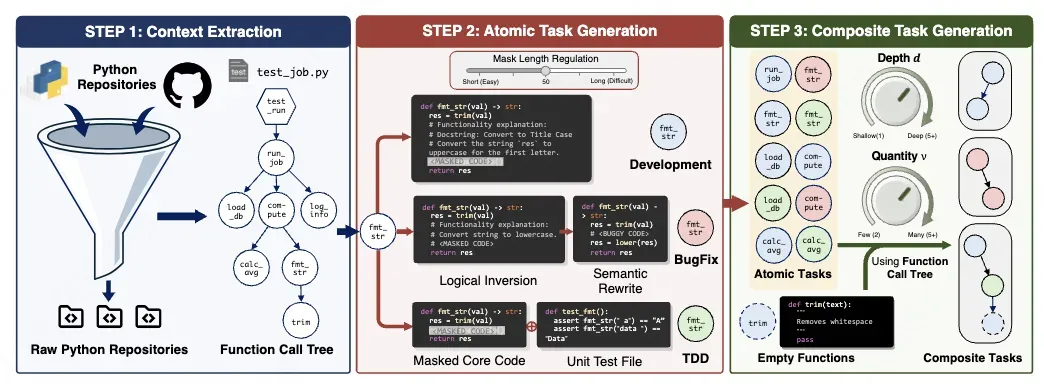
The Meituan technical team has achieved a significant milestone at the Association for Computational Linguistics (ACL) 2026 conference, with six papers accepted for publication. This prestigious recognition highlights Meituan's research depth in the field of Natural Language Processing (NLP) and Large Language Models (LLMs). The accepted papers cover a diverse range of cutting-edge topics, including the evaluation of model capabilities, the optimization of complex process reasoning, and the enhancement of competition-level mathematical thinking. Furthermore, the research explores advancements in reinforcement learning and the emerging field of generative recommendation systems. These contributions represent Meituan's efforts to establish a new paradigm for generative AI, bridging the gap between theoretical research and practical industry applications.
Key Takeaways
- Prestigious Recognition: Meituan successfully had six research papers accepted by ACL 2026, a top-tier international conference in computational linguistics and NLP.
- Broad Research Scope: The papers cover critical AI domains, including LLM evaluation, complex reasoning, mathematical optimization, and reinforcement learning.
- New Generative Paradigm: The research focuses on building a new framework for generative AI that emphasizes both reasoning depth and practical utility.
- Industry-Academic Bridge: The inclusion of generative recommendation research signifies a focus on applying advanced NLP techniques to real-world service scenarios.
In-Depth Analysis
Advancing LLM Evaluation and Complex Reasoning
At the core of Meituan's contributions to ACL 2026 is a focus on the fundamental capabilities of Large Language Models. As the AI industry moves beyond simple text generation, the ability to evaluate these models accurately becomes paramount. Meituan's research into "capability evaluation" addresses the need for more robust benchmarks that can measure how models perform across diverse and challenging tasks. This is closely linked to their work on "complex process reasoning," which suggests a shift from single-step responses to multi-stage logical deduction. By optimizing how models handle intricate workflows, Meituan is contributing to the development of AI that can manage more sophisticated, real-world problem-solving tasks that require a high degree of consistency and logic.
Optimization of Mathematical Thinking and Reinforcement Learning
Another significant pillar of Meituan's research involves "competition-level mathematical thinking optimization." Mathematical reasoning is often considered a benchmark for a model's true cognitive abilities, as it requires precise logic and the ability to follow strict rules. By focusing on competition-level math, Meituan is pushing the boundaries of what LLMs can achieve in terms of rigorous intellectual tasks. This optimization is likely supported by their research into "reinforcement learning optimization." Reinforcement learning remains a critical component in fine-tuning models to align with human expectations and specific performance goals. The synergy between mathematical reasoning and reinforcement learning points toward a future where AI can provide more reliable and verifiable outputs in technical domains.
The Rise of Generative Recommendation Systems
Beyond pure reasoning and evaluation, Meituan is exploring the intersection of NLP and user experience through "generative recommendation." Traditional recommendation systems often rely on collaborative filtering or simple ranking algorithms. However, the shift toward a "generative" approach suggests a more interactive and context-aware method of suggesting content or services to users. This research direction is particularly relevant for a technology company like Meituan, which operates in a high-frequency service ecosystem. By leveraging generative models for recommendations, the goal is to create a more personalized and intuitive interface for users, potentially transforming how consumers interact with digital platforms and service providers.
Industry Impact
Meituan's presence at ACL 2026 underscores the growing influence of major technology firms in the academic AI community. The transition from general-purpose LLMs to specialized, reasoning-heavy models is a major trend in the industry, and Meituan's focus on evaluation and complex reasoning aligns with this shift.
For the broader AI industry, these research directions suggest that the next phase of development will not just be about the size of the models, but about the efficiency of their reasoning processes and the accuracy of their evaluations. The focus on competition-level math and reinforcement learning indicates a move toward higher reliability, which is essential for deploying AI in mission-critical or high-stakes environments. Furthermore, the exploration of generative recommendations could set a new standard for how AI is integrated into consumer-facing products, making digital assistants and recommendation engines more conversational and contextually aware.
Frequently Asked Questions
Question: What is the significance of Meituan's papers being accepted at ACL 2026?
ACL (Association for Computational Linguistics) is one of the most prestigious international conferences in the field of Natural Language Processing. Having six papers accepted demonstrates Meituan's high level of technical expertise and its contribution to the global AI research community, particularly in the areas of LLM reasoning and evaluation.
Question: What specific areas of AI research did Meituan focus on in these papers?
According to the announcement, the research covers six key areas: Large Language Model (LLM) capability evaluation, complex process reasoning, competition-level mathematical thinking optimization, reinforcement learning optimization, and generative recommendation systems.
Question: How does "generative recommendation" differ from traditional recommendation systems?
While traditional systems typically rank existing items based on user data, generative recommendation systems leverage the power of generative AI to create more personalized, context-aware, and interactive suggestions. This approach aims to build a new paradigm for how users discover services and content through natural language interfaces.