Meituan Technical Team Showcases Cutting-Edge AI Research in Search and Recommendation at Top Global Conferences
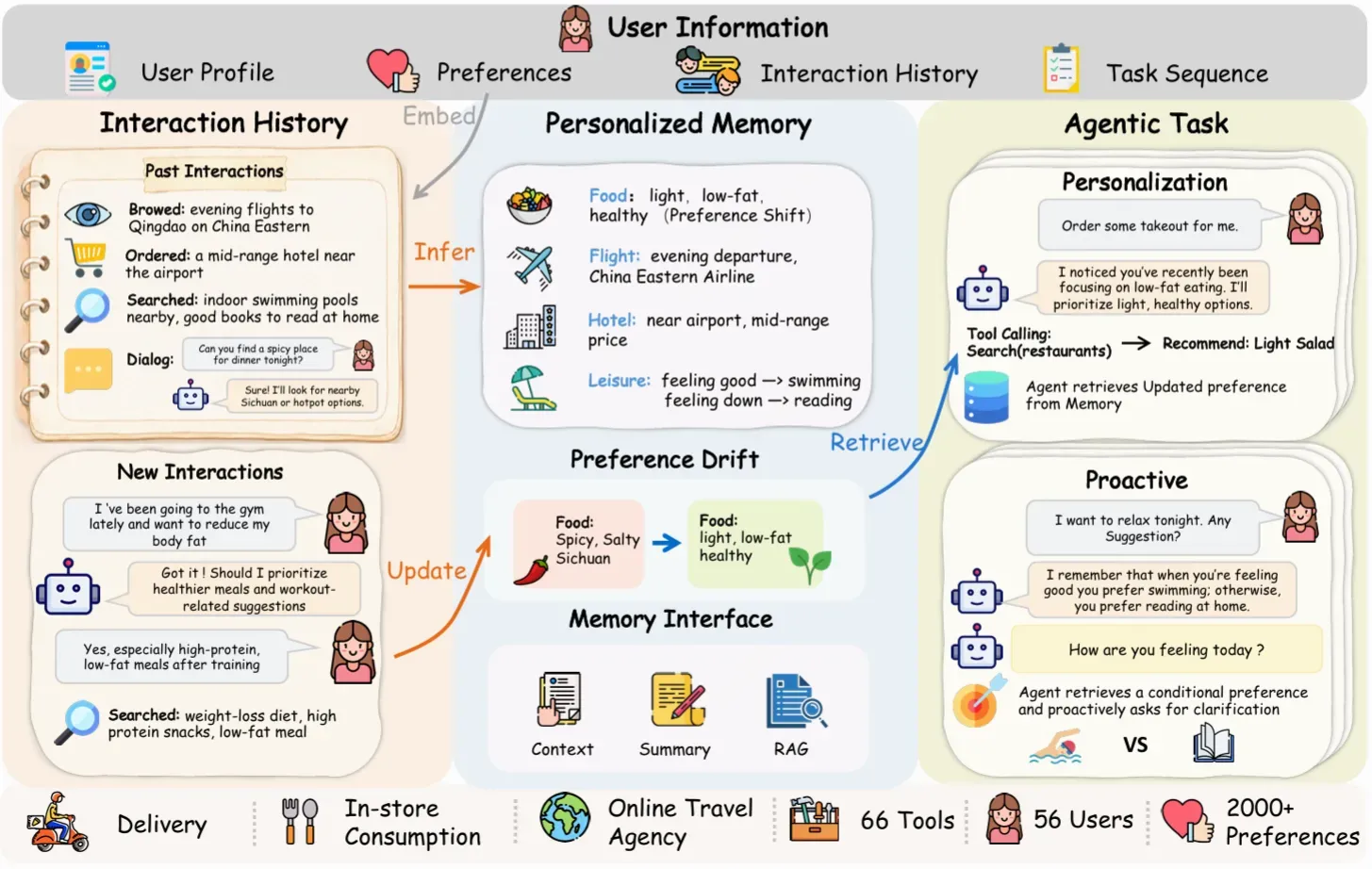
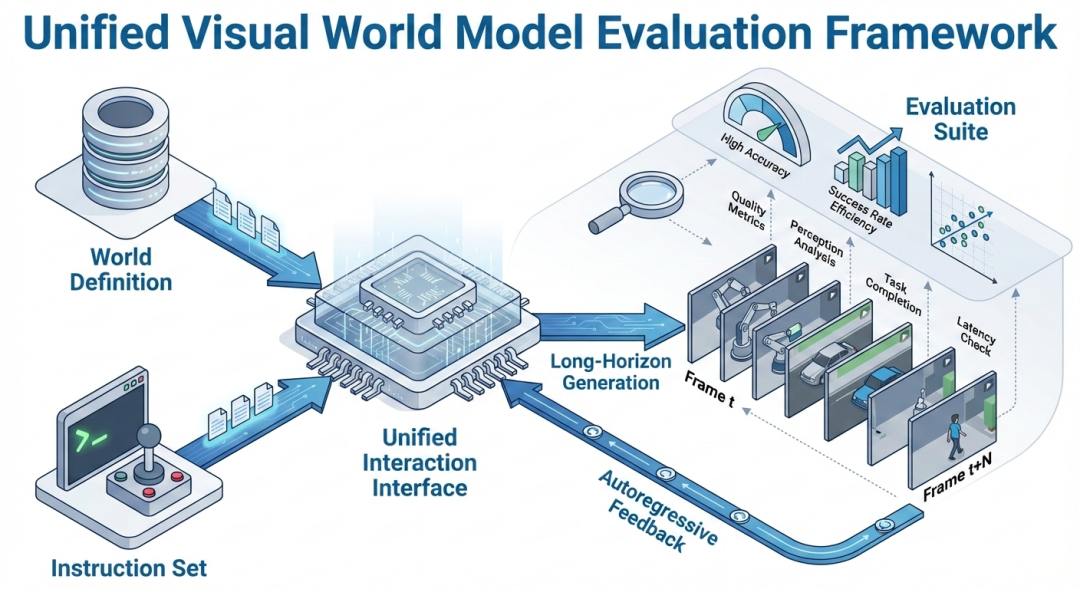
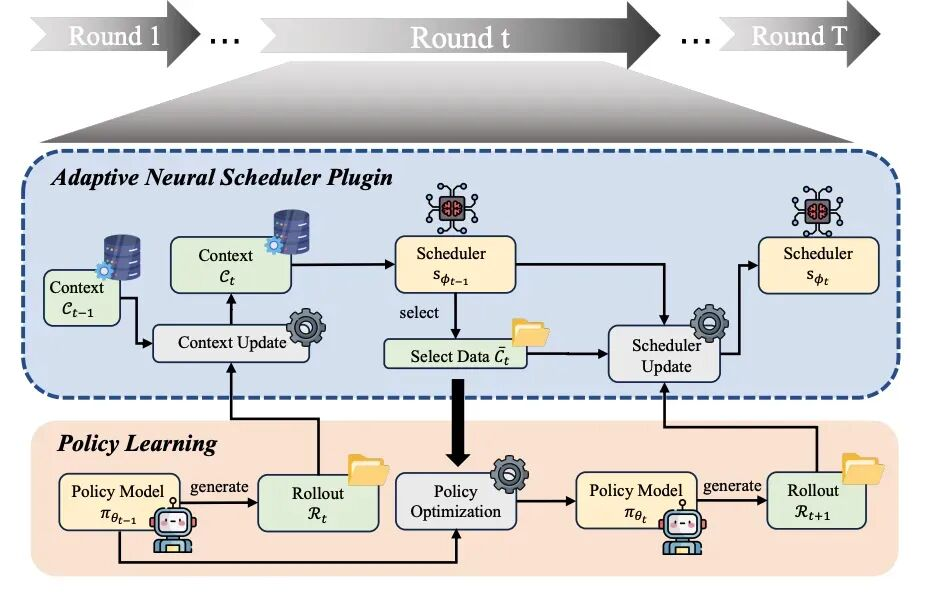
Meituan's Search and Recommendation ASX (Agentic System X) team has recently shared insights from six selected research papers published at prestigious AI conferences, including ICLR, NeurIPS, CVPR, and AAAI. The team's research focuses on developing a comprehensive Agent technology system powered by Large Language Models (LLMs). Key areas of exploration include LLM post-training, Agentic Reinforcement Learning, and multi-modal understanding. By deep-diving into these frontier technologies, Meituan aims to enhance its search and recommendation capabilities. This collection of research highlights the team's commitment to advancing AI applications in real-world scenarios, providing valuable insights for the broader technical community interested in agentic systems and their integration into large-scale platforms.
Key Takeaways
- Meituan's Search and Recommendation ASX (Agentic System X) team is building an LLM-based Agent technology system.
- The team has published dozens of high-quality papers at top-tier AI conferences including ICLR, NeurIPS, CVPR, and AAAI.
- Research focuses on three core areas: LLM post-training, Agentic Reinforcement Learning, and multi-modal understanding.
- Six specific papers have been selected for in-depth decoding to provide technical inspiration to the community.
In-Depth Analysis
The Evolution of Agentic System X (ASX)
Meituan's technical strategy has pivoted towards the development of "Agentic System X" (ASX), a framework designed to leverage the power of Large Language Models (LLMs) to create more autonomous and intelligent systems. Unlike traditional search and recommendation engines that rely on static algorithms, the ASX team focuses on building agents that can reason, plan, and execute tasks within the Meituan ecosystem. This shift represents a move from simple predictive modeling to a more complex, agent-based architecture where LLMs serve as the central reasoning engine. The goal is to create a system where the AI doesn't just suggest items but understands the broader context of a user's journey.
Core Research Pillars: Post-Training and Reinforcement Learning
A significant portion of the ASX team's research is dedicated to the post-training phase of Large Language Models. This involves fine-tuning and optimizing models to perform specific tasks within the search and recommendation domain, ensuring they are aligned with user needs and platform constraints. Complementing this is the team's work in Agentic Reinforcement Learning. By applying RL techniques, the team enables agents to learn from interactions and feedback, improving their decision-making processes over time. This dual focus ensures that the models are not only knowledgeable but also capable of executing complex sequences of actions to satisfy user intent in dynamic environments.
Advancing Multi-modal Understanding in Search
In the modern digital landscape, search and recommendation are no longer limited to text. Meituan's ASX team is deep-diving into multi-modal understanding, which allows AI systems to process and interpret various forms of data, including images and videos. This research is crucial for a platform like Meituan, where visual information—such as food photos or storefront videos—plays a vital role in user decision-making. By integrating multi-modal capabilities into their agentic systems, the team aims to provide a more intuitive and comprehensive user experience, allowing the AI to "see" and "understand" the world in a way that mirrors human perception.
Academic Excellence and Practical Application
The publication of dozens of papers at conferences like ICLR, NeurIPS, CVPR, and AAAI underscores the academic rigor of Meituan's technical team. These venues are the gold standard for AI research, and having a significant presence there indicates that Meituan's ASX team is at the forefront of global AI development. The selection of six specific papers for public decoding highlights the team's desire to bridge the gap between theoretical research and practical application, offering the wider developer community a glimpse into how these advanced theories are being tested and implemented in a high-traffic, real-world environment.
Industry Impact
The research output from Meituan's ASX team signals a broader trend in the AI industry: the transition from standalone models to integrated agentic systems. By publishing at prestigious conferences, Meituan is contributing to the global knowledge base on how LLMs can be operationalized in large-scale commercial environments. This work highlights the importance of post-training and reinforcement learning in making AI agents practical and efficient. Furthermore, the emphasis on multi-modal understanding sets a benchmark for how service-oriented platforms can utilize diverse data types to improve recommendation accuracy and user engagement. As agentic systems become more prevalent, Meituan's contributions provide a roadmap for balancing academic innovation with industrial utility.
Frequently Asked Questions
What is the focus of Meituan's ASX team?
The ASX (Agentic System X) team focuses on building a technology system for AI agents based on Large Language Models, specifically targeting search and recommendation applications through post-training and reinforcement learning.
Which AI conferences have featured Meituan's research?
Meituan's research has been accepted and published at several top-tier international AI conferences, including ICLR (International Conference on Learning Representations), NeurIPS (Neural Information Processing Systems), CVPR (Conference on Computer Vision and Pattern Recognition), and AAAI (Association for the Advancement of Artificial Intelligence).
What are the primary research directions mentioned by the team?
The team's core research directions include Large Language Model post-training, Agentic Reinforcement Learning, and multi-modal understanding, all aimed at enhancing the capabilities of their AI agents.