Meituan Unveils Six Research Papers at ACL 2026 Focusing on Model Evaluation and Reasoning Optimization
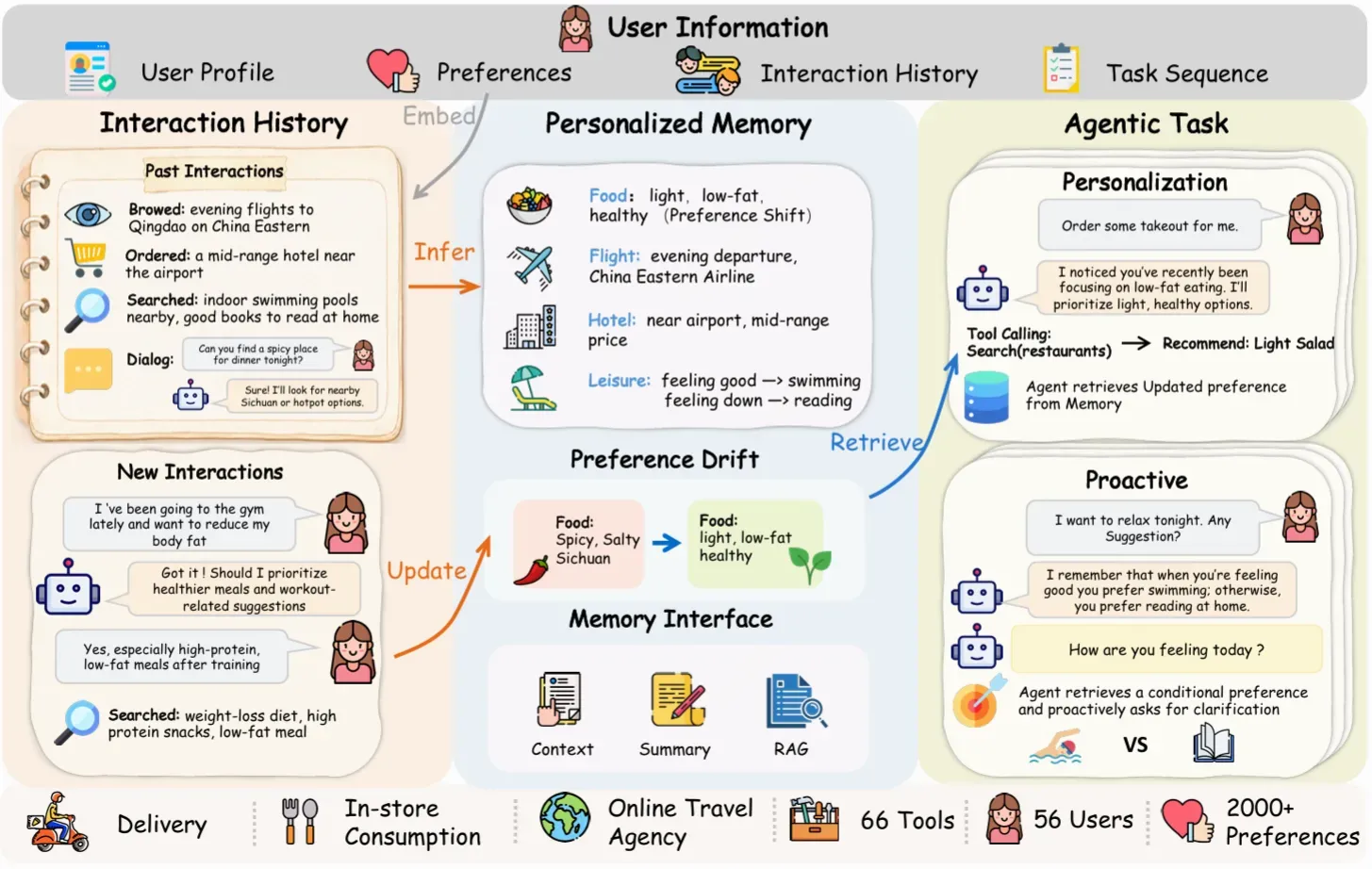
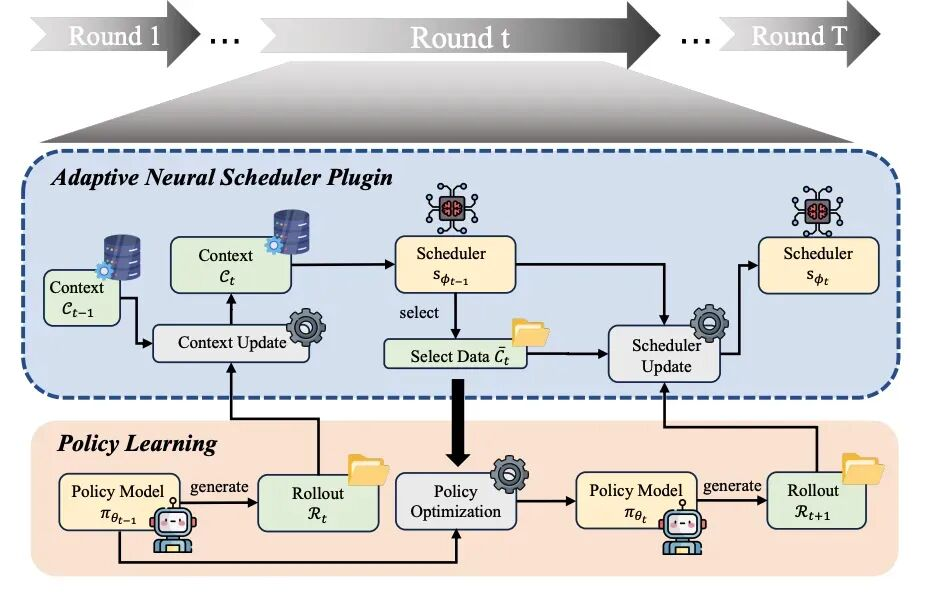
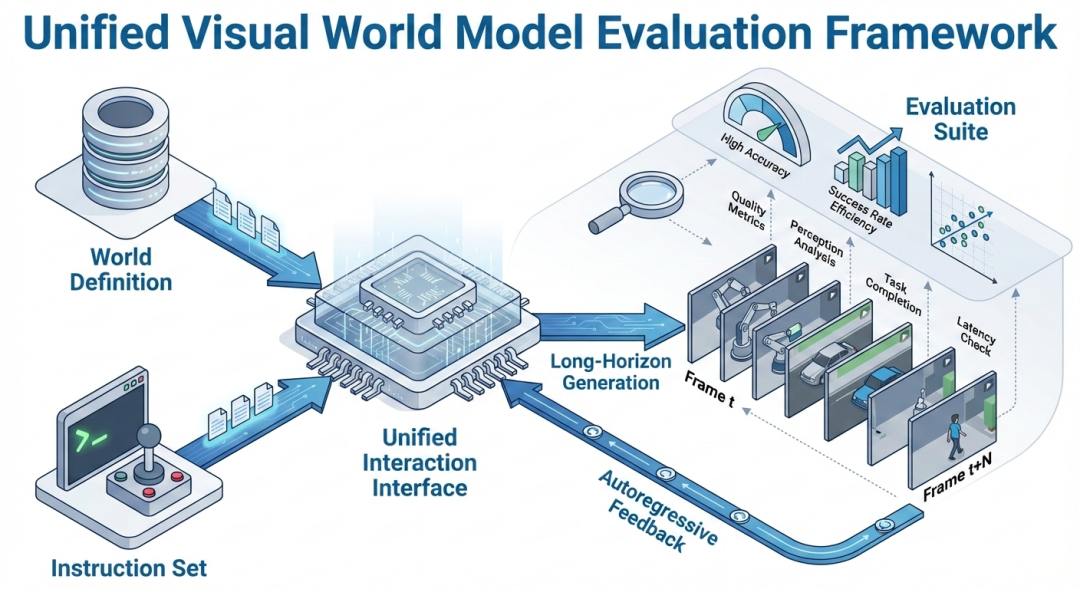
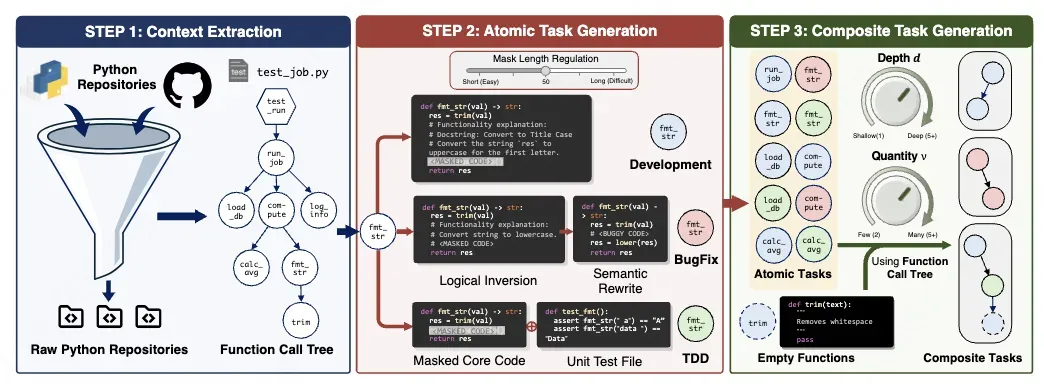
Meituan's technical team has announced the acceptance of six research papers at ACL 2026, a premier international conference for computational linguistics and natural language processing. These papers represent significant advancements in several cutting-edge AI domains, including large-scale model evaluation, complex process reasoning, and the optimization of competition-level mathematical thinking. Additionally, the research delves into reinforcement learning optimization and generative recommendation systems. By focusing on these diverse technical directions, Meituan aims to establish a new paradigm for generative AI, enhancing both the theoretical understanding and practical application of NLP technologies in real-world scenarios. The selection highlights Meituan's growing influence in the global AI research community and its commitment to solving complex technical challenges through innovative generative frameworks.
Key Takeaways
- Academic Recognition: Meituan has had six papers accepted by ACL 2026, a top-tier international conference in the field of computational linguistics and natural language processing (NLP).
- Diverse Technical Scope: The research covers five critical areas: large model evaluation, complex process reasoning, competition-level mathematical thinking optimization, reinforcement learning (RL) optimization, and generative recommendation.
- New Generative Paradigm: The collective goal of these papers is to move beyond traditional models toward a new paradigm for generative AI that emphasizes reasoning and optimization.
- Practical and Theoretical Balance: The research addresses both high-level cognitive tasks (like math and reasoning) and practical industry applications (like recommendation systems).
In-Depth Analysis
Advancing Model Evaluation and Complex Reasoning
At the core of Meituan's contributions to ACL 2026 is a focus on the fundamental capabilities of Large Language Models (LLMs). As the industry moves toward more sophisticated AI applications, the ability to accurately evaluate these models becomes paramount. Meituan’s research into large model evaluation suggests a shift toward more robust and nuanced metrics that can capture the true performance of generative systems beyond simple benchmarks.
Parallel to evaluation is the challenge of complex process reasoning. Traditional NLP models often struggle with multi-step logic and maintaining consistency across long-form tasks. Meituan’s work in this area aims to refine how models handle intricate workflows, ensuring that the reasoning process is not just a sequence of tokens but a coherent logical progression. This is essential for deploying AI in environments where accuracy and logical integrity are non-negotiable.
Optimization through Mathematics and Reinforcement Learning
Another significant pillar of Meituan's research involves competition-level mathematical thinking optimization. Mathematical reasoning is often considered a benchmark for high-level intelligence in AI. By targeting competition-level math, Meituan is pushing the boundaries of how LLMs internalize logic and solve abstract problems. This optimization likely involves deep architectural or training refinements that allow models to navigate complex problem-solving spaces more effectively.
Complementing this is the focus on reinforcement learning (RL) optimization. Reinforcement learning has become a cornerstone for aligning models with human intent and improving performance through feedback loops. Meituan’s research explores new ways to optimize these RL processes, potentially making the training of generative models more efficient and their outputs more reliable. This intersection of mathematical logic and RL optimization points toward a future where AI can self-correct and refine its reasoning capabilities autonomously.
The Shift to Generative Recommendation Systems
Beyond pure logic and reasoning, Meituan is applying generative AI to one of its core business strengths: generative recommendation. Traditional recommendation systems rely heavily on discriminative models that predict the likelihood of a user clicking a specific item. However, the "generative recommendation" paradigm mentioned in the research suggests a move toward models that can synthesize information and generate personalized suggestions in a more natural, conversational, or context-aware manner. This shift could redefine user experiences by providing recommendations that are not just accurate, but also explainable and highly adaptive to real-time user needs.
Industry Impact
Meituan’s research at ACL 2026 signals a broader industry trend where major tech players are no longer just consumers of AI technology but are active architects of its future. By tackling the "new paradigm" of generation, Meituan is addressing the current limitations of LLMs—specifically their struggles with deep reasoning and specialized domain knowledge like mathematics.
For the AI industry, these advancements mean that the next generation of models will likely be more "thoughtful" and less prone to logical fallacies. The focus on evaluation ensures that as models become more complex, our ability to monitor and improve them keeps pace. Furthermore, the integration of generative techniques into recommendation systems could set a new standard for how service-oriented platforms interact with their users, moving from static lists to dynamic, AI-driven assistance.
Frequently Asked Questions
Question: What is the significance of Meituan having six papers at ACL 2026?
ACL is one of the most prestigious conferences in the NLP field. Having six papers accepted indicates that Meituan’s research is at the global forefront of AI development, particularly in areas like reasoning, evaluation, and generative systems.
Question: How does "competition-level mathematical thinking" differ from standard AI math?
Standard AI math often involves solving basic arithmetic or simple word problems. Competition-level mathematical thinking requires the model to handle abstract concepts, multi-step proofs, and creative problem-solving strategies that are typically found in high-level math competitions, representing a much higher tier of cognitive processing.
Question: What is a "generative recommendation" system?
Unlike traditional systems that rank a pre-defined list of items, a generative recommendation system uses generative AI to create or synthesize personalized suggestions. This can involve generating natural language explanations for recommendations or creating custom content tailored specifically to a user's unique context.