Meituan Technical Team Unveils Advanced Research in Agentic Systems for Search and Recommendation
Meituan's Search and Recommendation ASX (Agentic System X) team has recently highlighted its latest academic achievements, focusing on the development of Large Language Model (LLM) based Agent technology. The team has published dozens of high-quality papers at prestigious international AI conferences, including ICLR, NeurIPS, CVPR, and AAAI. This latest update features a selection of six key papers that delve into critical areas such as LLM post-training, Agentic Reinforcement Learning, and multimodal understanding. These research efforts are central to Meituan's strategy of building a sophisticated Agentic System X framework within its business R&D platform, aiming to push the boundaries of how search and recommendation systems utilize autonomous agent capabilities.
Key Takeaways
- Strategic Focus on Agentic Systems: Meituan's ASX (Agentic System X) team is dedicated to building a comprehensive Agent technology framework centered on Large Language Models.
- Core Research Pillars: The team's research is concentrated on three primary areas: LLM post-training, Agentic Reinforcement Learning, and multimodal understanding.
- Academic Excellence: Meituan has established a significant presence at top-tier AI conferences, including ICLR, NeurIPS, CVPR, and AAAI, with dozens of published papers.
- Practical Application: The research is integrated into Meituan's business R&D platform, specifically targeting improvements in search and recommendation functionalities.
In-Depth Analysis
The Evolution of Agentic System X (ASX)
Meituan's Business R&D Platform has prioritized the development of the Agentic System X (ASX) team to spearhead the integration of Large Language Models (LLMs) into autonomous agent frameworks. The ASX team's mission revolves around transforming static models into dynamic, goal-oriented agents capable of navigating complex tasks within the search and recommendation ecosystem. By focusing on an "Agentic" approach, Meituan is moving beyond traditional algorithmic structures to create systems that can reason, plan, and execute actions with a higher degree of autonomy.
The development of this technology system is not merely theoretical. The ASX team is deeply embedded in the business R&D platform, ensuring that the research into Agent technology directly informs the evolution of Meituan's core services. This synergy between high-level research and practical application is a hallmark of the team's approach, as evidenced by their consistent output of high-quality research findings.
Core Research Directions: Post-Training, RL, and Multimodality
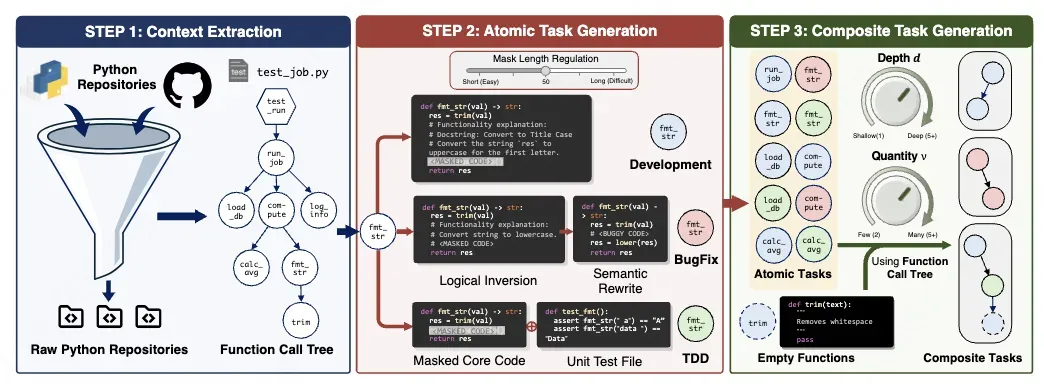
The technical depth of the ASX team is reflected in their focus on three critical frontier directions. First, LLM Post-Training is essential for refining pre-trained models to better suit specific agentic tasks, ensuring that the models are not only knowledgeable but also aligned with the functional requirements of an autonomous agent. This involves fine-tuning and optimization processes that enhance the model's ability to follow instructions and maintain consistency in complex workflows.
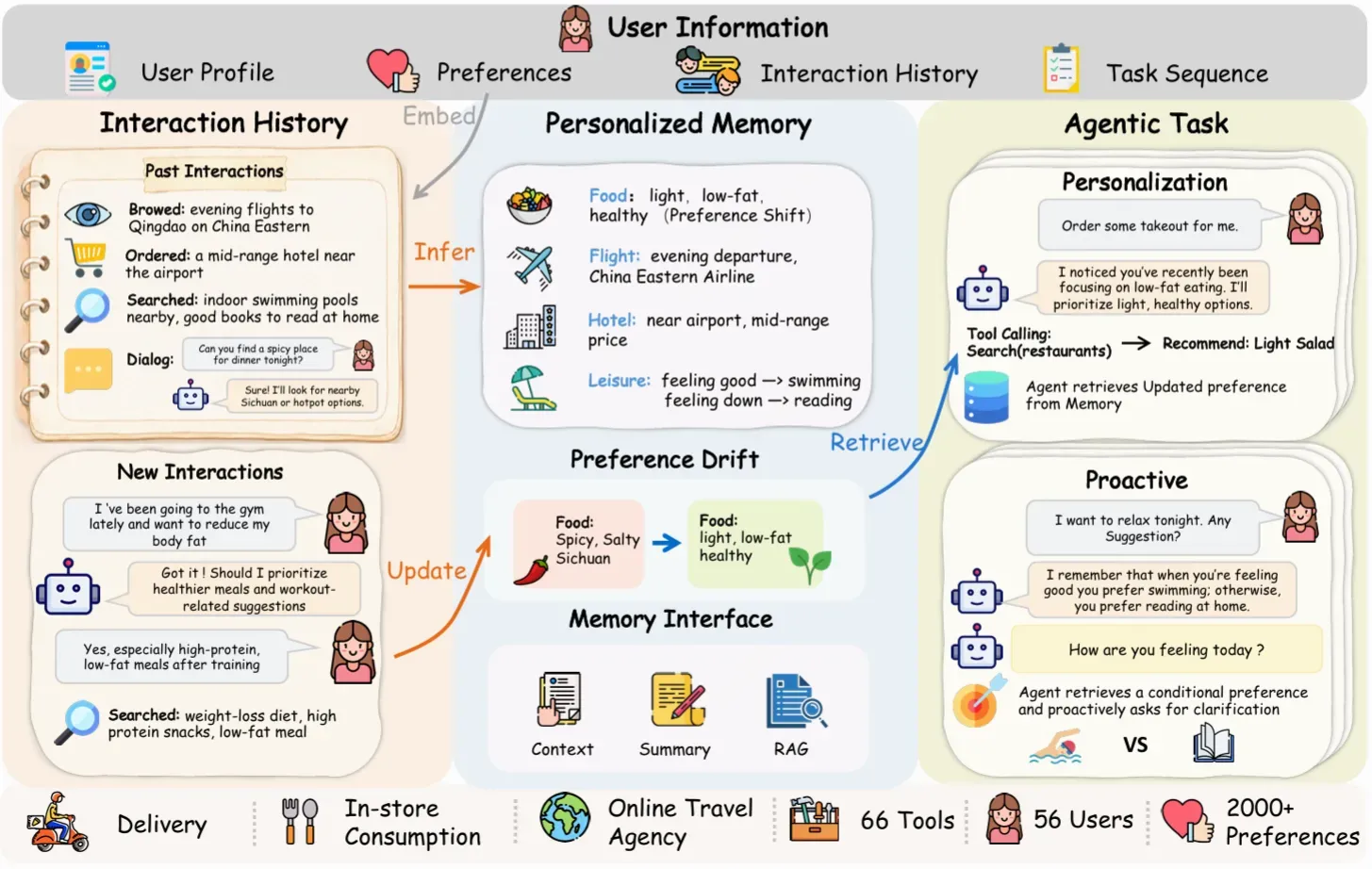
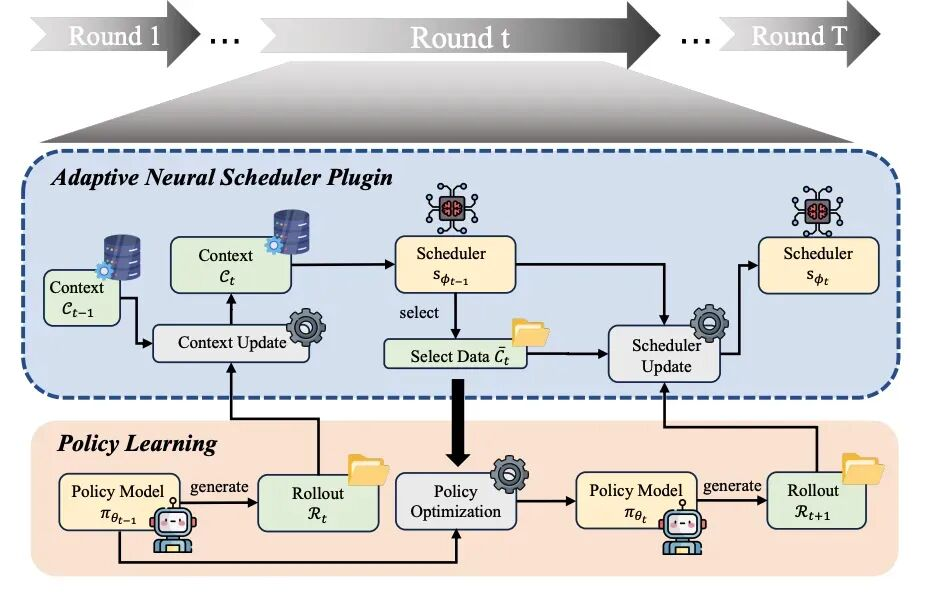
Second, Agentic Reinforcement Learning (RL) represents a pivotal area of study. By applying RL techniques, the ASX team enables agents to learn from interactions within their environment, optimizing their decision-making processes over time. This is particularly relevant for search and recommendation systems where the environment is highly dynamic and user preferences are constantly evolving.
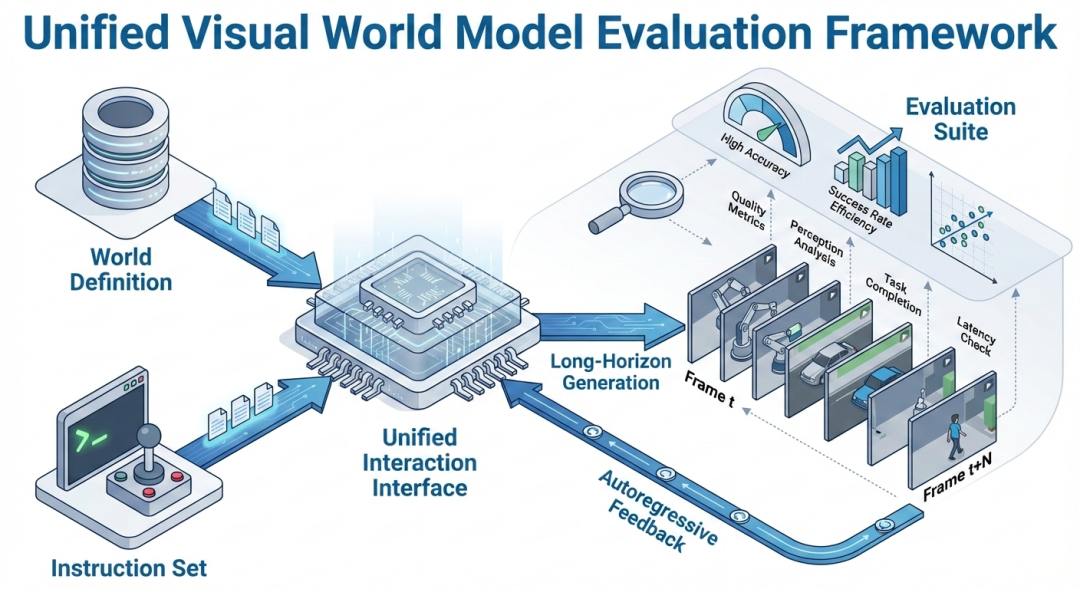
Third, Multimodal Understanding allows the Agentic System X to process and interpret diverse data types, including text, images, and potentially video or structured data. In the context of a platform like Meituan, where user intent is often expressed through a mix of visual and textual cues, multimodal capabilities are vital for providing accurate and context-aware recommendations.
Global Academic Impact and Recognition
The quality of Meituan's research is validated by its extensive publication record at the world's most competitive AI conferences. By contributing dozens of papers to venues such as the International Conference on Learning Representations (ICLR), the Conference on Neural Information Processing Systems (NeurIPS), the Conference on Computer Vision and Pattern Recognition (CVPR), and the AAAI Conference on Artificial Intelligence, Meituan has positioned itself as a leader in industrial AI research.
The selection of six specific papers for interpretation highlights the team's commitment to knowledge sharing within the technical community. These papers represent the cutting edge of the ASX team's work, offering insights into how they solve complex problems in post-training and reinforcement learning. The recognition from these top-tier conferences underscores the technical rigor and innovation inherent in Meituan's approach to building Agent-based systems.
Industry Impact
The work of Meituan's ASX team has significant implications for the broader AI and search-and-recommendation industries. By successfully bridging the gap between Large Language Models and autonomous agents, Meituan is setting a precedent for how large-scale consumer platforms can leverage AI to create more intuitive and proactive user experiences.
The focus on Agentic Reinforcement Learning and multimodal understanding addresses some of the most persistent challenges in the industry: personalization and context-awareness. As these technologies mature, we can expect a shift from reactive search engines to proactive digital assistants that can anticipate user needs across multiple modalities. Furthermore, Meituan's success in publishing at top conferences demonstrates that industrial R&D teams are increasingly becoming the primary drivers of fundamental AI research, particularly in the application of LLMs to real-world scenarios.
Frequently Asked Questions
Question: What is the primary focus of Meituan's ASX team?
The ASX (Agentic System X) team focuses on building a technology system for autonomous agents based on Large Language Models (LLMs), specifically for applications in search and recommendation within Meituan's business R&D platform.
Question: In which research areas has the ASX team published papers?
The team has published extensively in the areas of LLM post-training, Agentic Reinforcement Learning, and multimodal understanding at top conferences like ICLR, NeurIPS, CVPR, and AAAI.
Question: How many papers did the ASX team recently highlight for interpretation?
The Meituan technical team selected and interpreted six high-quality papers from their recent contributions to international AI conferences to provide insights and inspiration to the technical community.