Meituan Fulfillment AI Team Showcases Frontier Agent Technology and ACL 2026 Research Insights
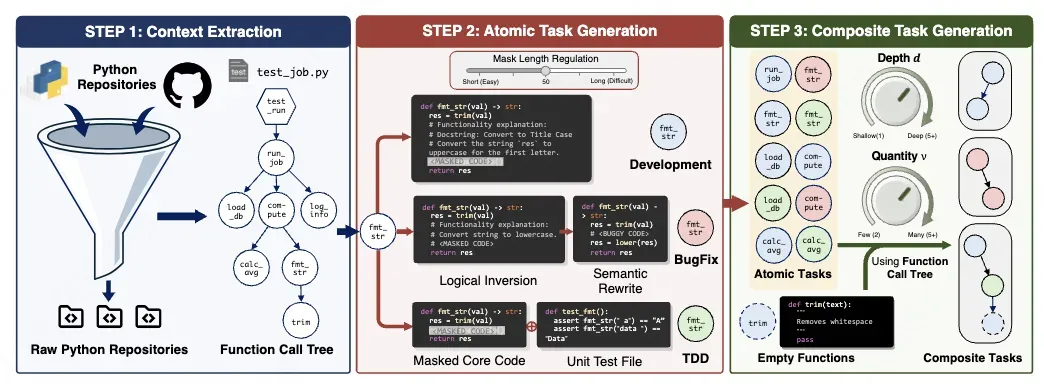
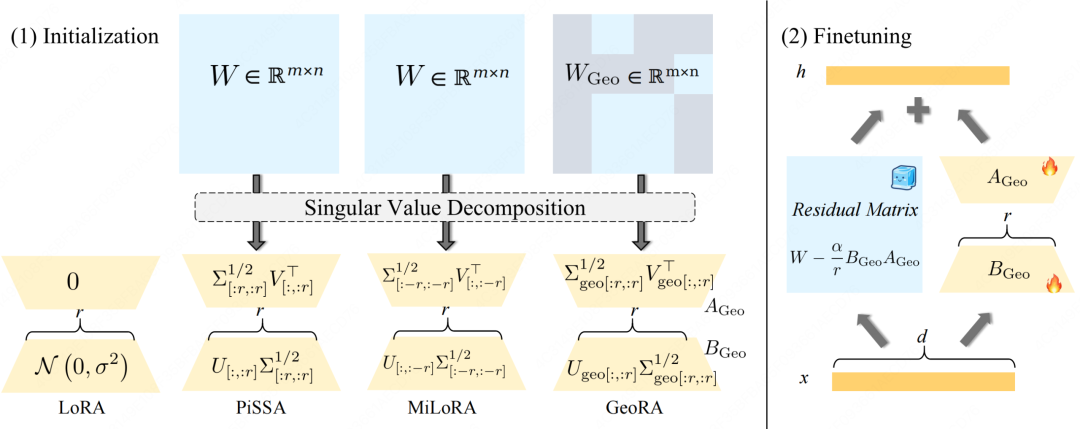
The Meituan Fulfillment AI Algorithm Team has unveiled its latest advancements in Large Language Model (LLM) Agent technology, specifically focusing on the integration of AI within Meituan's fulfillment business. By developing a self-evolving Agent operation system, the team leverages core technologies such as Continuous Pre-Training (CPT), Post-training, Agentic Reinforcement Learning (RL), and multimodal understanding. With a track record of numerous publications in top-tier conferences like ACL and EMNLP, this special session highlights their recent contributions to ACL 2026. The research emphasizes the practical application of AI agents to optimize operational efficiency and service delivery within the Meituan ecosystem, marking a significant step in industrial AI implementation and the evolution of autonomous business operations.
Key Takeaways
- Agent-Centric Ecosystem: Meituan is building a comprehensive Agent technology system based on Large Language Models (LLMs) to empower its fulfillment business.
- Self-Evolving Systems: A primary focus of the research is the creation of a self-evolving Agent operation system that improves over time.
- Core Technical Pillars: The team’s research focuses on four frontier areas: Continuous Pre-Training (CPT), Post-training, Agentic Reinforcement Learning (RL), and multimodal understanding.
- Academic Excellence: The Fulfillment AI Algorithm Team has established a strong presence in the global AI community, publishing dozens of papers in top-tier conferences like ACL and EMNLP.
- Industrial Application: The session specifically highlights how these frontier technologies are practiced within Meituan’s real-world fulfillment scenarios.
In-Depth Analysis
The Shift Toward Self-Evolving Agent Systems
Meituan's Business R&D Platform and Fulfillment AI Algorithm Team are shifting the paradigm of industrial AI from static models to dynamic, self-evolving Agent systems. According to the team's latest disclosures, the core of their strategy involves using Large Language Models (LLMs) as the foundational intelligence for these Agents. Unlike traditional AI models that perform specific, fixed tasks, the Agent technology system described is designed to empower the fulfillment business through continuous adaptation. The concept of a "self-evolving operation system" suggests a framework where the AI does not just execute tasks but learns from the operational environment of Meituan’s fulfillment services to optimize its own performance. This approach is critical for a business as complex as fulfillment, which involves intricate logistics, timing, and resource management.
Frontier Research Directions: From CPT to Agentic RL
The technical depth of Meituan's fulfillment AI is rooted in several key research directions that the team has been exploring. These include Continuous Pre-Training (CPT) and Post-training, which are essential for tailoring general LLMs to the specific nuances of the fulfillment industry. By focusing on these areas, the team ensures that the models possess the domain-specific knowledge required for Meituan's unique business challenges. Furthermore, the integration of Agentic Reinforcement Learning (RL) represents a sophisticated method for training agents to make sequential decisions in a way that maximizes operational efficiency. Coupled with multimodal understanding—the ability to process and interpret various forms of data—the team is building a robust technical stack that allows Agents to perceive and act within the fulfillment ecosystem more effectively. This research has not only been theoretical but has resulted in dozens of high-quality papers accepted by prestigious international conferences such as ACL and EMNLP.
Bridging Academic Research and Practical Fulfillment
The special session focusing on ACL 2026 papers highlights the bridge between high-level academic research and practical technology practice. Meituan’s fulfillment team is not just contributing to the global AI discourse but is actively applying these "frontier technology practices" to solve real-world problems. The fulfillment business, which is a cornerstone of Meituan's service delivery, serves as the primary laboratory for these Agentic technologies. By sharing their ACL 2026 papers, the team demonstrates how theoretical breakthroughs in areas like multimodal understanding and Agentic RL are translated into tools that enhance the efficiency of the fulfillment process. This synergy between top-tier research and industrial application is a defining characteristic of Meituan's current AI strategy.
Industry Impact
The work of the Meituan Fulfillment AI team signifies a broader trend in the AI industry: the move from general-purpose LLMs to specialized, autonomous Agents. For the fulfillment and logistics sector, the introduction of self-evolving systems means that AI can handle increasingly complex operational variables without constant human intervention. Meituan’s success in publishing at ACL and EMNLP underscores the growing importance of industrial players in driving the AI research agenda. As these Agent systems become more integrated into fulfillment operations, the industry can expect a higher standard for efficiency and a new benchmark for how multimodal AI and reinforcement learning are used in large-scale commercial environments. This research sets a precedent for how other tech giants might structure their AI R&D to focus on self-improvement and autonomous operational logic.
Frequently Asked Questions
Question: What are the core technologies Meituan is using for its Agent systems?
Meituan's Fulfillment AI team focuses on four core technical directions: Continuous Pre-Training (CPT), Post-training, Agentic Reinforcement Learning (RL), and multimodal understanding. These technologies form the foundation of their LLM-based Agent system.
Question: How does Meituan apply these AI research findings to its business?
The research is specifically applied to Meituan's fulfillment business. The team builds self-evolving Agent operation systems that use AI to empower and optimize the delivery and fulfillment processes, ensuring the technology has a direct impact on operational efficiency.
Question: Where has Meituan's Fulfillment AI team published its research?
The team has published dozens of high-quality research papers in top international AI conferences, specifically mentioning ACL (Association for Computational Linguistics) and EMNLP (Empirical Methods in Natural Language Processing).