Meituan Showcases AI Innovations at ACL 2026: Advancing Large Model Evaluation and Reasoning Optimization
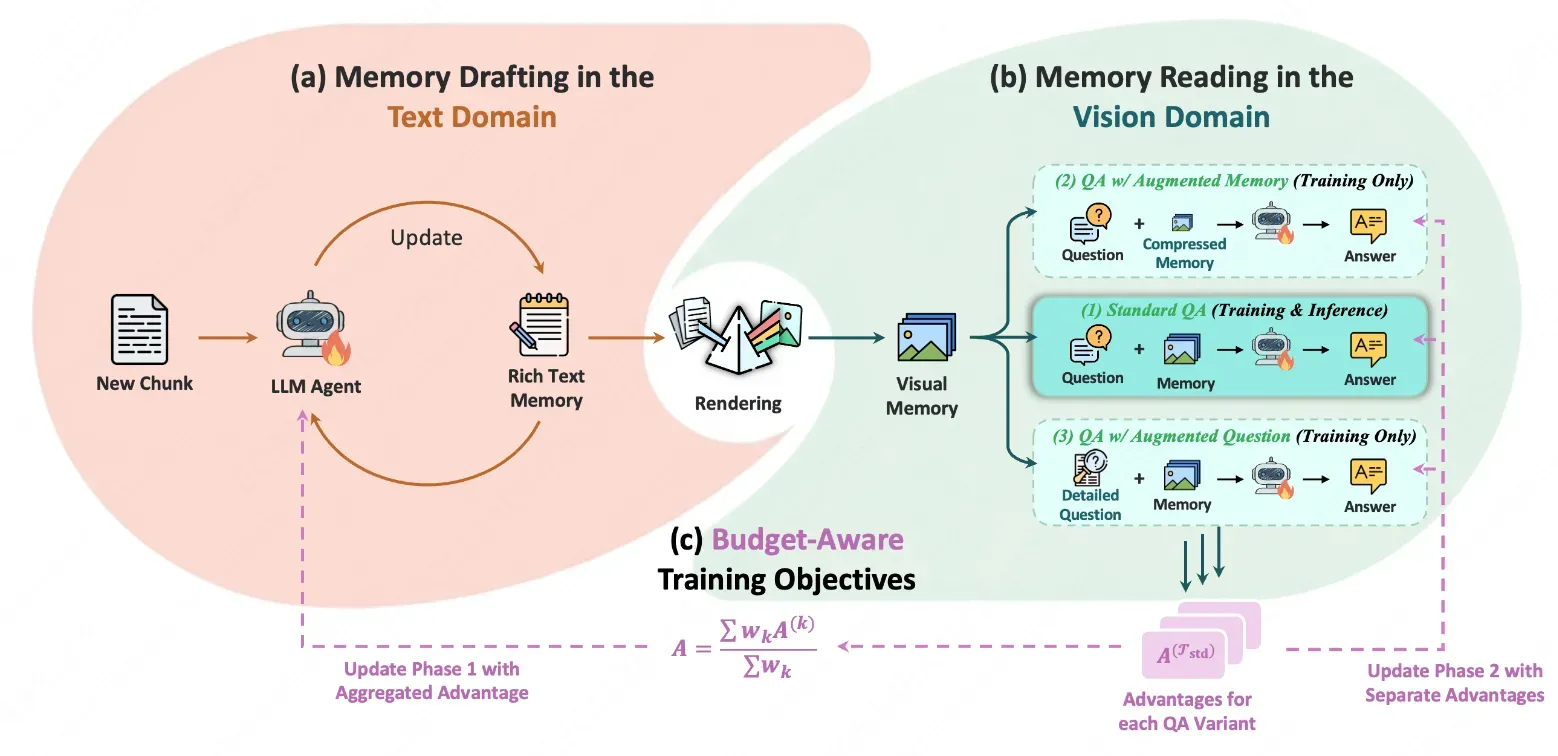
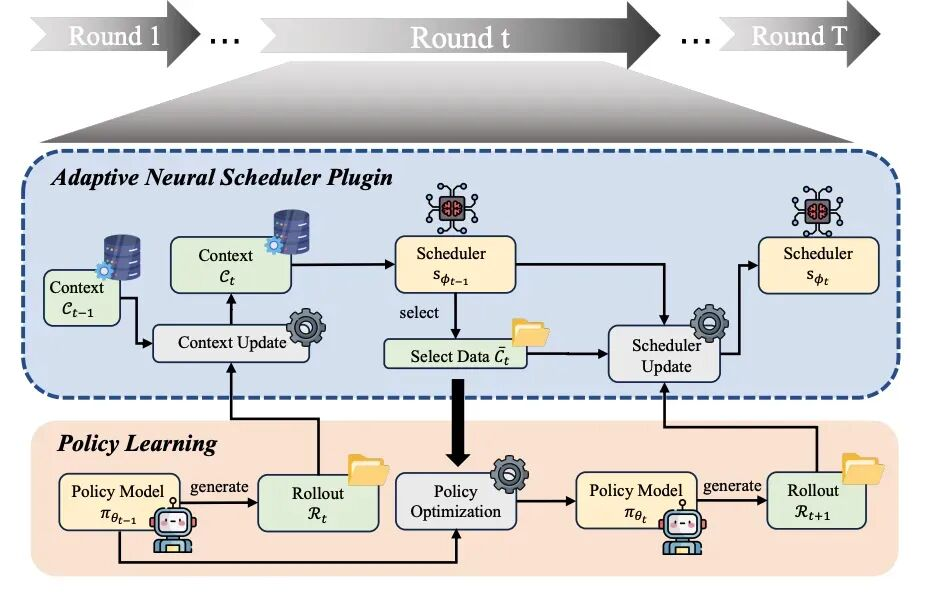
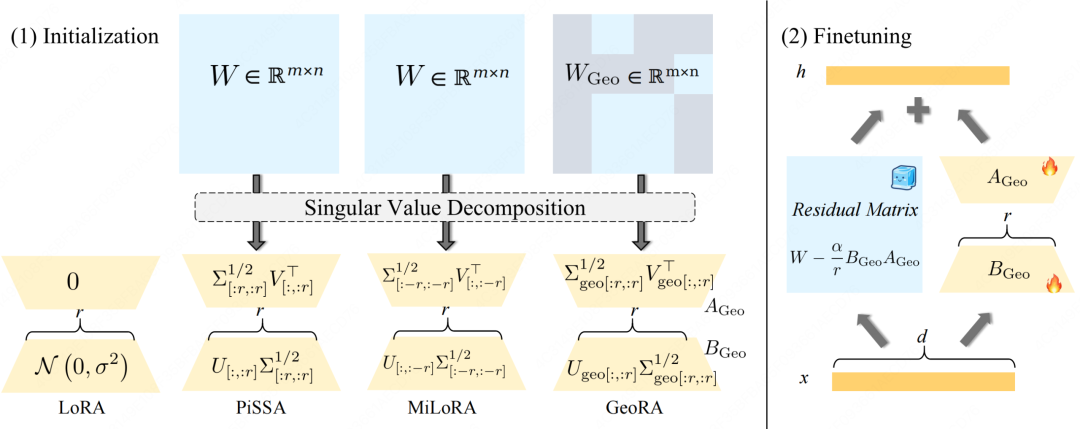
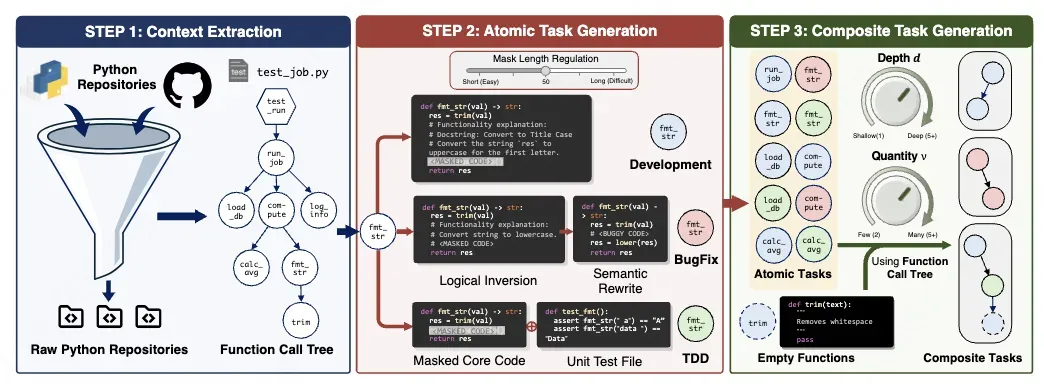
Meituan's technical team has achieved a significant milestone with six papers accepted at ACL 2026, a premier international conference in computational linguistics and natural language processing (NLP). The research spans critical AI domains, including large model evaluation, complex process reasoning, and competition-level mathematical thinking optimization. Additionally, the papers explore advancements in reinforcement learning and generative recommendation systems. These contributions highlight Meituan's focus on building a new generation paradigm for AI, moving beyond simple text generation toward sophisticated reasoning and optimized performance. By addressing these diverse technical directions, Meituan demonstrates its commitment to enhancing the capabilities and reliability of large language models in real-world applications.
Key Takeaways
- Prestigious Recognition: Meituan had six research papers accepted at ACL 2026, highlighting its growing influence in the global NLP community.
- Diverse Research Scope: The papers cover five major technical directions: large model evaluation, complex process reasoning, mathematical thinking, reinforcement learning, and generative recommendations.
- Focus on Reasoning: A significant portion of the research is dedicated to optimizing reasoning processes, including competition-level mathematical logic.
- New Generation Paradigm: The collective research aims to establish a new framework for generative AI that prioritizes capability evaluation and inference optimization.
In-Depth Analysis
Advancing Large Model Evaluation and Complex Reasoning
Meituan's research at ACL 2026 places a heavy emphasis on the evaluation and reasoning capabilities of large language models (LLMs). As the industry moves toward more autonomous and capable AI, the ability to accurately assess a model's performance becomes paramount. Meituan's focus on "large model evaluation" suggests a move toward more robust frameworks that can measure not just accuracy, but the reliability of AI outputs across various scenarios.
Furthermore, the exploration of "complex process reasoning" indicates a shift from simple pattern matching to multi-step logical deduction. By refining how models handle intricate workflows, Meituan is addressing one of the primary limitations of current generative AI: the tendency to lose coherence during long-form or multi-stage tasks. This research is essential for developing AI that can assist in professional environments where precision and logical consistency are non-negotiable.
Optimization of Mathematical Thinking and Reinforcement Learning
Another core pillar of Meituan's recent academic success is the optimization of "competition-level mathematical thinking." This direction focuses on pushing the boundaries of what LLMs can achieve in highly structured and difficult problem-solving environments. By targeting competition-level math, the research likely explores methods to enhance the model's internal logic and its ability to navigate complex symbolic reasoning.
Complementing this is the work on "reinforcement learning optimization." Reinforcement learning (RL) has become a cornerstone for aligning AI models with human intent and improving efficiency. Meituan’s focus here suggests advancements in how models learn from feedback, potentially leading to more efficient training cycles and better performance in dynamic environments. Together, these optimizations contribute to a more "intelligent" system capable of tackling specialized tasks that require high cognitive loads.
The Shift Toward Generative Recommendation Paradigms
Meituan is also exploring the intersection of generative AI and recommendation systems. The concept of "generative recommendation" represents a departure from traditional discriminative models that simply rank items. Instead, this new paradigm leverages the creative and contextual power of LLMs to generate personalized suggestions that are more conversational and context-aware. This research direction is particularly relevant for Meituan’s core business, where providing highly relevant and engaging recommendations to users is a key driver of platform value.
Industry Impact
Meituan's contributions to ACL 2026 signify a maturing of AI research within the technology sector. By focusing on reasoning and evaluation, Meituan is helping to bridge the gap between theoretical AI capabilities and practical, reliable industrial applications. The emphasis on mathematical thinking and reinforcement learning suggests that the next generation of AI will be characterized by higher precision and better adaptability. For the broader AI industry, these papers provide a roadmap for moving toward a "new generation paradigm" where generative models are not just creative, but also logically sound and rigorously evaluated.
Frequently Asked Questions
Question: What are the primary technical areas covered by Meituan's ACL 2026 papers?
Answer: The papers cover six main areas: large model evaluation, complex process reasoning, competition-level mathematical thinking optimization, reinforcement learning optimization, and generative recommendation systems.
Question: Why is Meituan focusing on competition-level mathematical thinking?
Answer: Focusing on competition-level math allows researchers to push the limits of a model's logical reasoning and symbolic processing capabilities, which are essential for solving complex, multi-step problems in various professional fields.
Question: What is the significance of "generative recommendation" in Meituan's research?
Answer: Generative recommendation represents a new paradigm where AI generates personalized suggestions in a more contextual and conversational manner, potentially improving user engagement compared to traditional ranking-based recommendation systems.