Meituan Fulfillment AI Team Showcases LLM Agent Innovations and Research at ACL 2026 Special Session
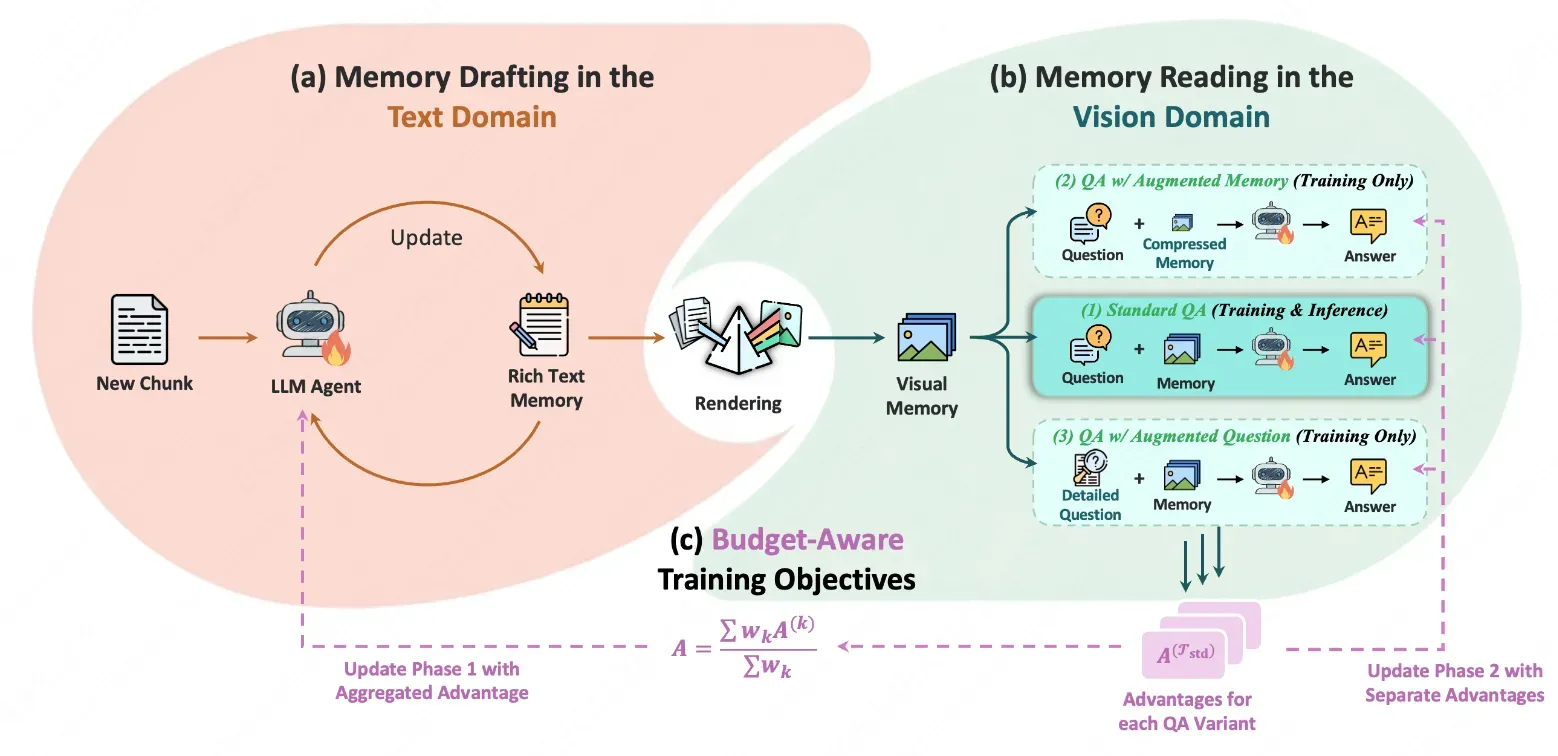
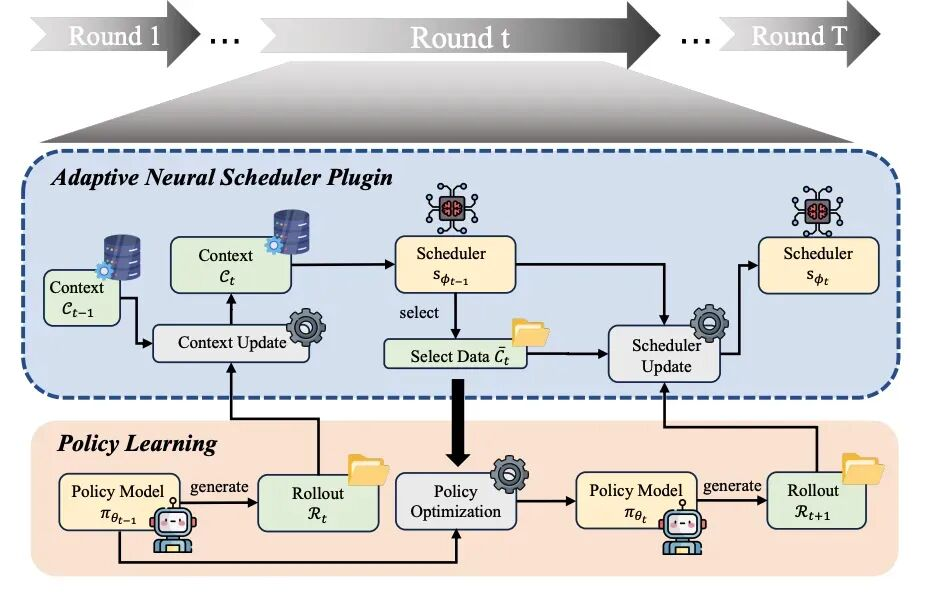
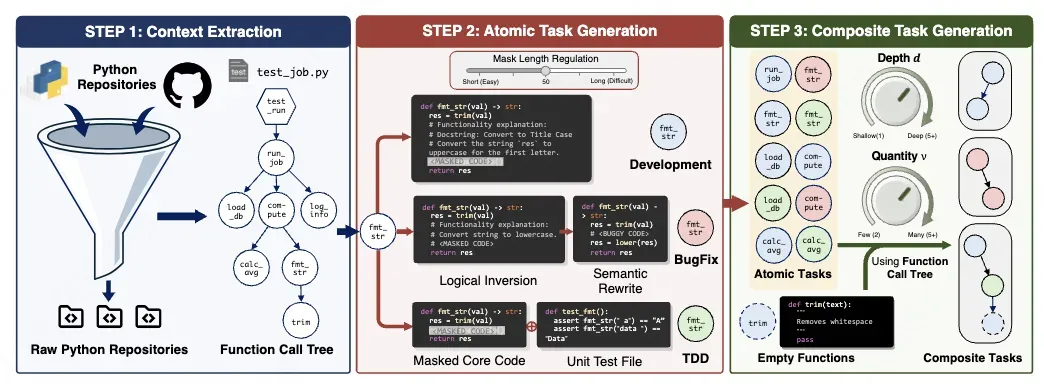
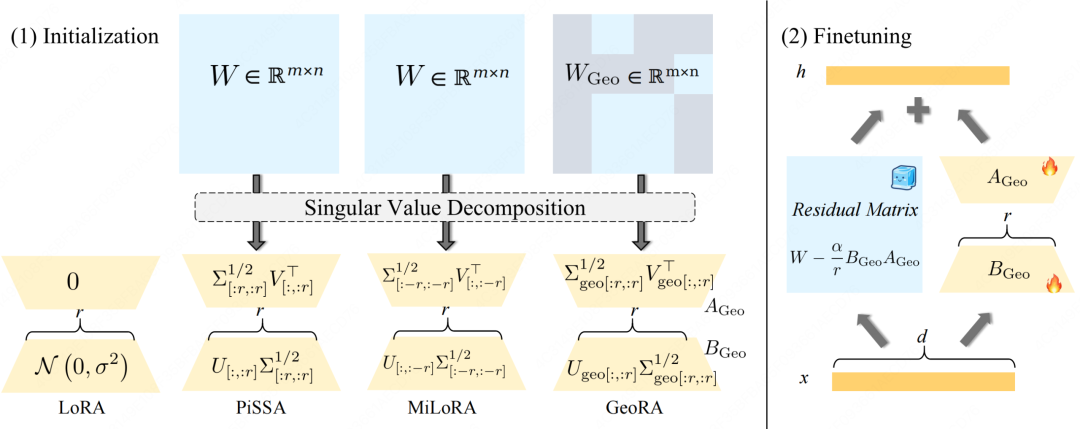
Meituan's Fulfillment AI Algorithm Team has announced a special session to share their latest research findings from the ACL 2026 conference. The team is dedicated to developing a Large Language Model (LLM)-based Agent technology system designed to optimize Meituan's fulfillment operations. By focusing on core areas such as Continual Pre-Training (CPT), Post-training, Agentic Reinforcement Learning (RL), and Multimodal Understanding, the team aims to create a self-evolving Agent operating system. With dozens of papers published in prestigious venues like ACL and EMNLP, this session highlights Meituan's commitment to integrating cutting-edge AI into practical business scenarios, specifically enhancing the efficiency and intelligence of their delivery and fulfillment ecosystem through frontier technical practices.
Key Takeaways
- Meituan's Fulfillment AI team is developing an LLM-based Agent system to create a self-evolving operating environment for logistics and delivery.
- The research focuses on four core pillars: Continual Pre-Training (CPT), Post-training, Agentic Reinforcement Learning (RL), and Multimodal Understanding.
- The team has established a strong academic presence with dozens of papers accepted at top-tier AI conferences like ACL and EMNLP.
- The ACL 2026 special session serves as a platform to share these frontier technical practices and their real-world applications in fulfillment.
In-Depth Analysis
Advancing Fulfillment through LLM-Based Agent Systems
The Meituan Business R&D Platform's Fulfillment AI Algorithm Team is at the forefront of integrating Large Language Models (LLMs) into practical operational workflows. Their primary objective is the construction of a comprehensive Agent technology system. Unlike static automation, this system is designed to be "self-evolving," meaning it can adapt and improve its operational logic over time based on the complexities of Meituan's fulfillment business. By leveraging the reasoning and decision-making capabilities of LLMs, the team aims to empower the fulfillment ecosystem—which involves complex logistics, scheduling, and real-time problem-solving—with a higher degree of intelligence and autonomy. This shift toward Agent-based systems represents a move away from traditional, rigid algorithms toward more flexible AI that can handle the dynamic nature of on-demand delivery services.
The concept of a self-evolving operating system is central to Meituan's strategy. In the context of fulfillment, this involves creating AI Agents that do not just follow instructions but learn from the outcomes of their actions. As the fulfillment environment changes—due to weather, traffic, or shifts in consumer demand—the Agent system is designed to refine its internal models and decision-making processes. This iterative improvement is powered by the underlying LLM architecture, which provides the necessary linguistic and logical foundation for the Agents to interact with both human operators and digital systems effectively.
Core Technical Pillars: CPT, RL, and Multimodal Understanding
The technical foundation of Meituan's Agent system rests on several critical research directions that have been highlighted in their ACL 2026 contributions. First, Continual Pre-Training (CPT) and Post-training techniques are utilized to ensure that the underlying models are deeply specialized for the nuances of fulfillment and logistics data. While general-purpose LLMs are powerful, they often lack the domain-specific knowledge required for high-precision fulfillment tasks. By employing CPT, Meituan can inject industry-specific knowledge into the models, making them more effective at understanding the unique constraints and terminology of the delivery business.
This specialization is further enhanced by Agentic Reinforcement Learning (RL). This specific branch of RL allows the Agents to learn optimal strategies through interaction with their environment. In a fulfillment setting, an Agent might explore different scheduling or routing strategies and receive feedback based on efficiency and success rates. Over time, the Agentic RL framework enables the system to converge on the most effective behaviors, facilitating the "self-evolution" mentioned in the team's goals. Furthermore, Multimodal Understanding plays a vital role, enabling the system to process and interpret diverse data types. Fulfillment is not just about text; it involves visual data from maps, photos of delivery locations, and various sensor inputs. By integrating multimodal capabilities, Meituan's Agents can gain a more holistic view of the physical world, leading to more accurate and context-aware decision-making. These efforts have resulted in a significant academic output, with dozens of high-quality research papers being recognized by the international AI community at conferences such as ACL and EMNLP.
Industry Impact
The work being conducted by Meituan's Fulfillment AI team represents a significant shift in how large-scale service platforms approach operational efficiency. By moving toward an Agent-centric model, the industry can move beyond traditional rule-based systems toward more flexible, intelligent, and self-optimizing frameworks. This has profound implications for the logistics and on-demand delivery sectors, where efficiency gains directly translate to better user experiences and lower operational costs.
Furthermore, Meituan's successful application of Agentic RL and multimodal models in a high-stakes, real-world environment provides a blueprint for other sectors looking to deploy LLMs for complex task execution. The transition from research to practice is a major hurdle in the AI industry, and Meituan's ability to publish dozens of papers at top-tier conferences while simultaneously applying those findings to their fulfillment business demonstrates a highly effective R&D pipeline. This consistent presence at venues like ACL 2026 underscores the growing importance of industrial research in driving the global AI agenda, bridging the gap between theoretical breakthroughs and practical business empowerment. As Agent technology continues to mature, the self-evolving systems pioneered by teams like Meituan's will likely become the standard for managing complex, real-time service networks.
Frequently Asked Questions
Question: What is the main goal of Meituan's Fulfillment AI Algorithm Team?
The team focuses on building an LLM-based Agent technology system to empower Meituan's fulfillment business and create a self-evolving operating system that improves through AI-driven insights and practices.
Question: Which core AI technologies are being researched by the team?
The team's research is centered on Continual Pre-Training (CPT), Post-training, Agentic Reinforcement Learning (RL), and Multimodal Understanding to enhance the capabilities of their AI Agents.
Question: Where has Meituan published its recent research findings?
Meituan has published dozens of high-quality research papers in leading international AI conferences, specifically highlighting ACL and EMNLP as key venues for their academic contributions.