Meituan Showcases AI Innovations at ACL 2026 with Six Papers on Reasoning Optimization and Generative Paradigms
Meituan's technical team has announced the acceptance of six research papers at ACL 2026, a premier international conference for computational linguistics and natural language processing. These papers represent significant advancements in the field of Large Language Models (LLMs), focusing on critical areas such as capability evaluation, complex process reasoning, and the optimization of competition-level mathematical thinking. Additionally, the research explores breakthroughs in reinforcement learning and generative recommendation systems. This collection of work highlights Meituan's commitment to building a new generation of AI paradigms, bridging the gap between theoretical research and practical industry applications. By addressing both the evaluation of model capabilities and the optimization of reasoning processes, Meituan aims to enhance the reliability and efficiency of AI systems in complex, real-world scenarios.
Key Takeaways
- Meituan successfully had six high-impact papers accepted at the ACL 2026 conference, a top-tier global venue for NLP research.
- The research covers five core technical directions: model evaluation, complex reasoning, mathematical optimization, reinforcement learning, and generative recommendations.
- A primary focus of the work is the transition toward a "new generative paradigm" that emphasizes reasoning depth and process optimization.
- The papers address both theoretical challenges, such as competition-level math, and practical applications like recommendation systems.
In-Depth Analysis
Advancing Large Model Evaluation and Complex Reasoning
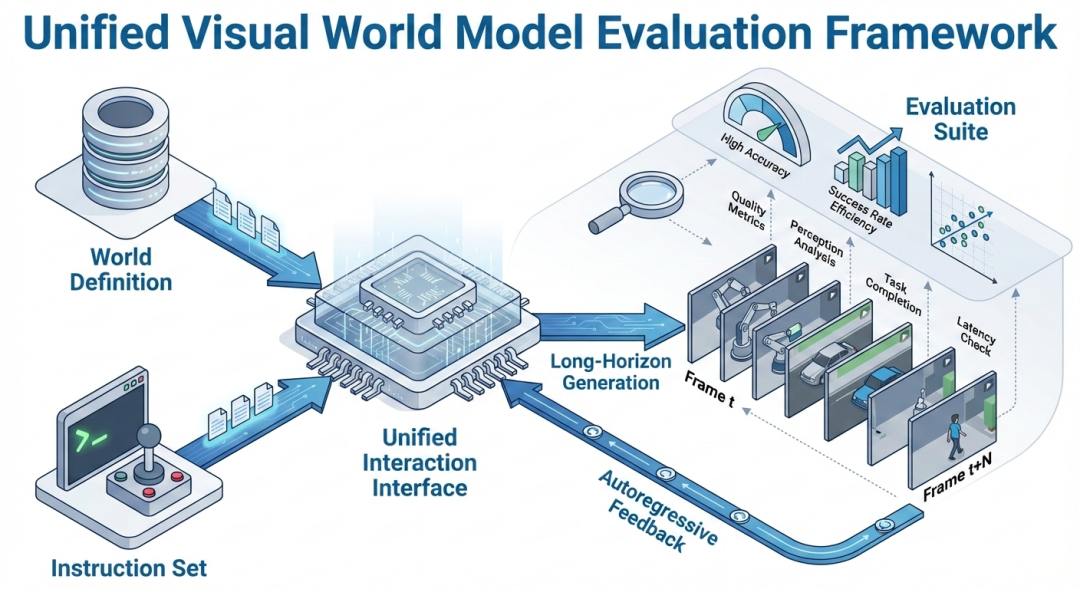
As the field of Natural Language Processing (NLP) shifts from simple task execution to complex problem-solving, the ability to accurately evaluate and optimize reasoning processes has become paramount. Meituan's contributions to ACL 2026 highlight a strategic focus on these areas. The research into large model evaluation suggests a move toward more sophisticated benchmarks that can capture the nuances of model performance beyond basic accuracy. By developing better evaluation frameworks, the industry can more effectively identify the strengths and weaknesses of generative models, leading to more robust deployments.
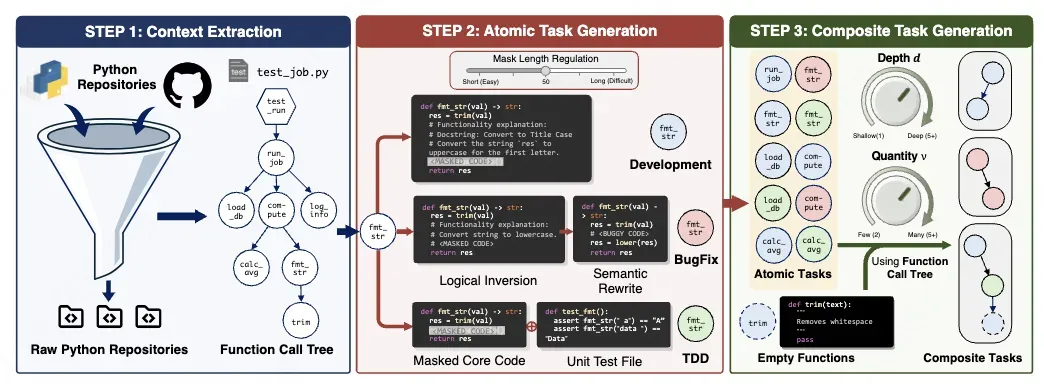
Furthermore, the focus on complex process reasoning addresses one of the most significant hurdles in current AI development: the ability of models to maintain logical consistency over multi-step tasks. Meituan's research in this area aims to refine how models navigate intricate workflows, ensuring that each step in a reasoning chain is sound. This is particularly critical for industrial applications where a single logical error can lead to significant operational failures.
Optimization of Mathematical Thinking and Reinforcement Learning
Another cornerstone of Meituan's recent research is the optimization of competition-level mathematical thinking. Mathematics serves as a rigorous testing ground for an AI's logical capabilities. By pushing models to solve high-level mathematical problems, Meituan is essentially stress-testing the cognitive limits of their AI systems. This research likely involves specialized training techniques that encourage the model to adopt more structured and algorithmic thinking patterns.
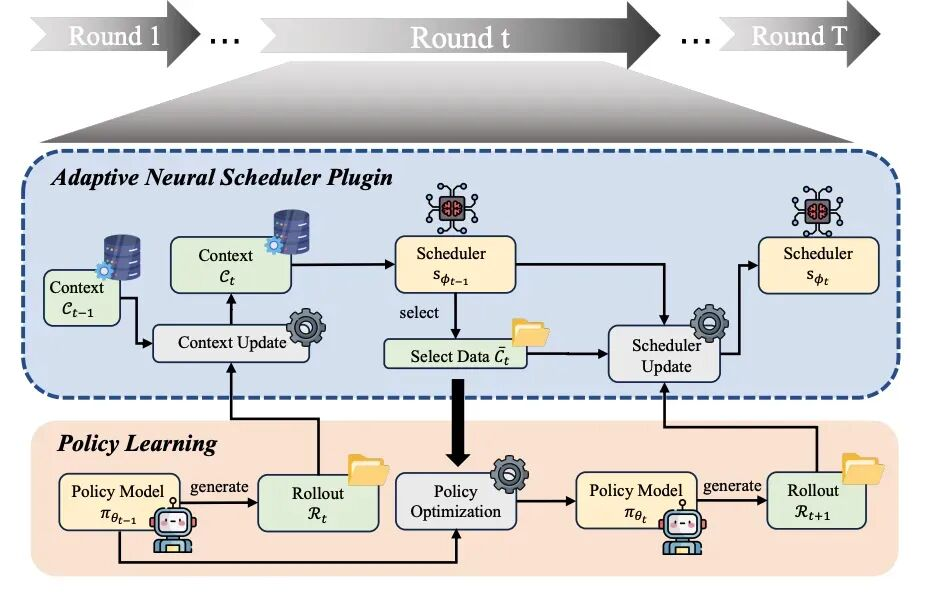
Parallel to this is the work on reinforcement learning (RL) optimization. Reinforcement learning is a key driver in aligning AI models with human preferences and optimizing decision-making processes. Meituan's exploration into RL optimization indicates a drive to make these models more adaptive and efficient. By refining the feedback loops that govern model learning, the research contributes to the creation of AI that can improve autonomously and perform specialized tasks with higher precision and lower computational overhead.
The Shift to Generative Recommendation Paradigms
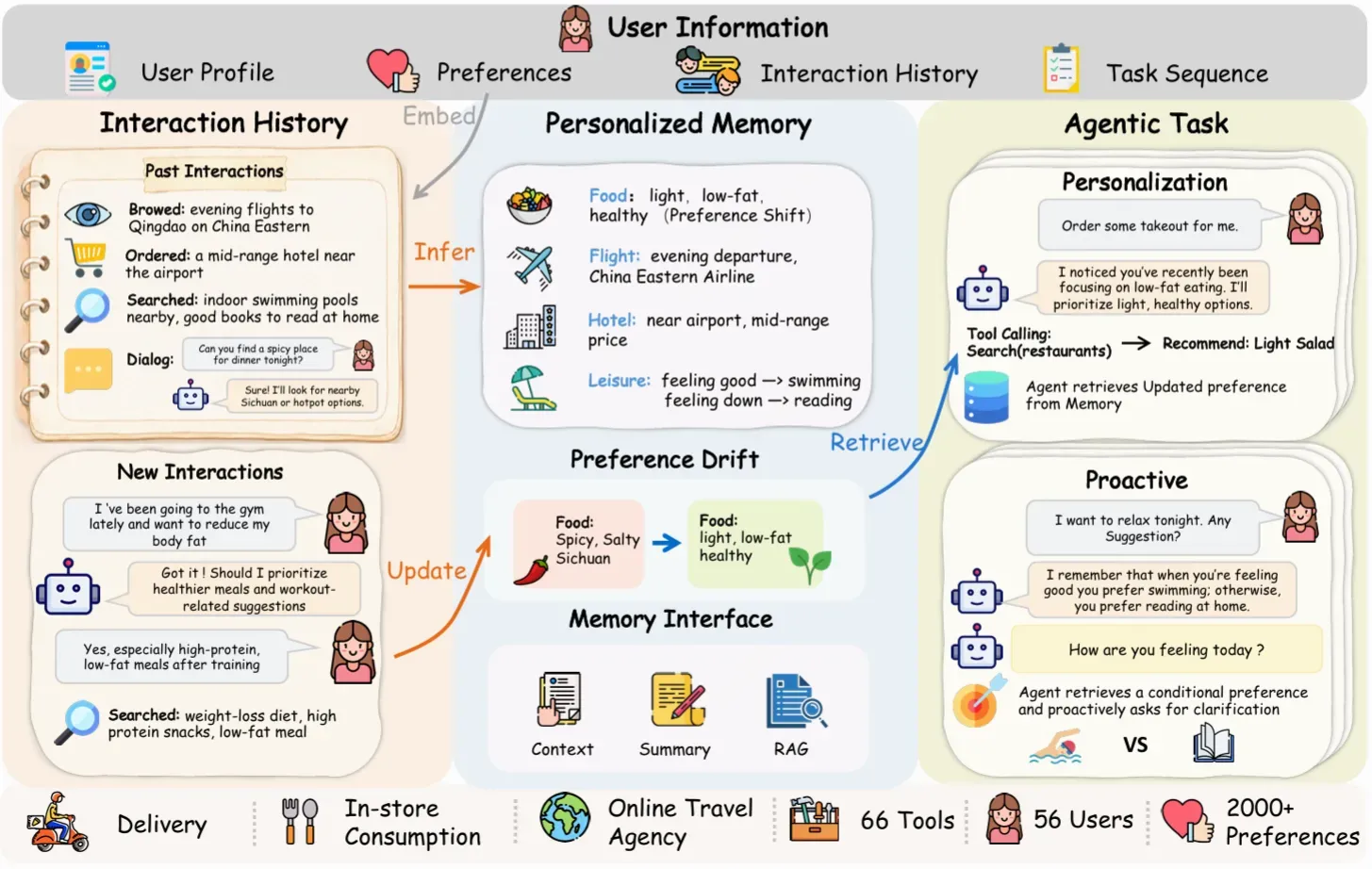
In the realm of user-facing applications, Meituan is exploring the transition from traditional recommendation algorithms to generative recommendation systems. Traditional systems often rely on discriminative models to predict user preferences. However, a generative paradigm allows the AI to synthesize information and provide recommendations that are more contextually aware and personalized. This approach leverages the creative and linguistic strengths of Large Language Models to transform how users interact with platforms, moving toward a more conversational and intuitive discovery process.
Industry Impact
The acceptance of six papers at a prestigious conference like ACL 2026 underscores Meituan's growing influence in the global AI research community. For the broader industry, these advancements provide a roadmap for integrating high-level research into practical service ecosystems. The focus on reasoning and evaluation provides other tech companies with frameworks to improve the reliability of their own AI products.
Moreover, the emphasis on generative recommendations and mathematical optimization suggests that the next wave of AI development will be characterized by a shift from "knowledge retrieval" to "active problem solving." As these technologies mature, we can expect to see AI systems that are not only more capable of understanding human language but are also better equipped to handle the logical complexities of the real world, ultimately leading to more intelligent and efficient digital services.
Frequently Asked Questions
Question: What is the significance of Meituan having six papers accepted at ACL 2026?
ACL (Association for Computational Linguistics) is a top-tier international conference in the NLP field. Having six papers accepted demonstrates Meituan's high level of technical expertise and its significant contribution to advancing the state-of-the-art in Large Language Models and natural language processing.
Question: How does "generative recommendation" differ from traditional recommendation systems?
While traditional systems typically rank existing items based on user data, generative recommendation systems use the power of generative AI to understand context and intent more deeply. This allows for more dynamic, personalized, and conversational interactions, potentially creating a more engaging user experience.
Question: Why is Meituan focusing on competition-level mathematical thinking?
Mathematical thinking is a benchmark for high-level reasoning and logic. By optimizing models for competition-level math, researchers can improve the model's ability to handle complex, multi-step logical tasks, which is essential for developing more advanced and reliable AI systems for various industrial applications.