Meituan Open Sources AIGC Poster Generation System: A Deep Dive into the Generation-Editing-Evaluation Framework
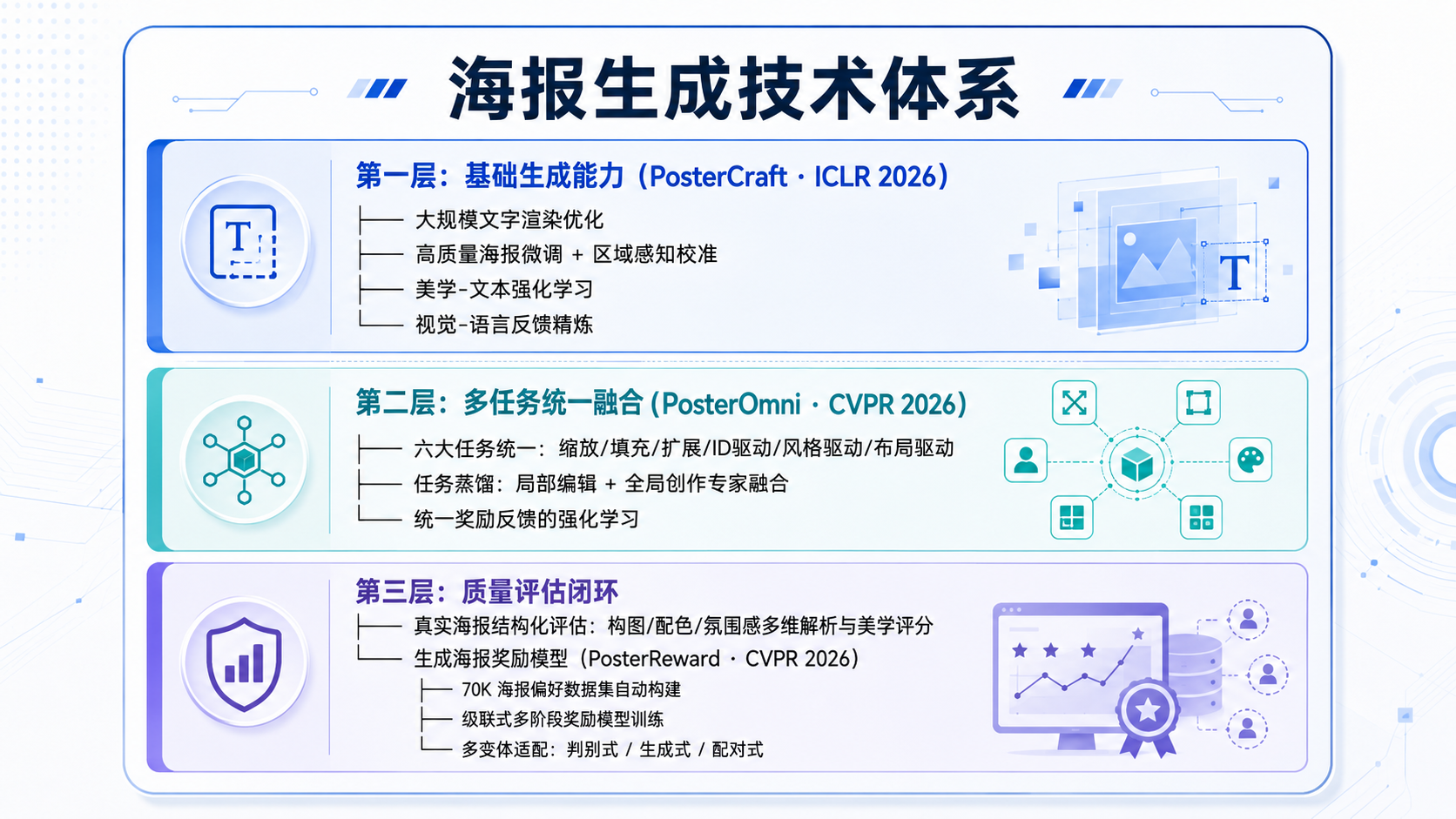
Meituan's Intelligent Creation Team has announced the development and open-sourcing of a comprehensive AIGC technical system designed for automated poster generation. This system is built upon a unique "Generation-Editing-Evaluation" technical closed loop, ensuring a streamlined workflow from initial creation to final quality assurance. Currently implemented in Meituan Waimai and various brand IP scenarios, the technology addresses the high-demand needs of commercial visual content. By open-sourcing the entire framework, Meituan provides the industry with a robust methodology for integrating AI into professional design pipelines. This move highlights the transition of AIGC from experimental projects to scalable, industrial-grade applications that support complex business ecosystems and brand consistency.
Key Takeaways
- Complete Technical System: Meituan has established a full-stack AIGC framework specifically for the automated generation of posters.
- Closed-Loop Methodology: The system operates on a "Generation-Editing-Evaluation" cycle, which integrates creative output with refinement and quality control.
- Real-World Application: The technology is already active within Meituan Waimai (food delivery) and brand IP development scenarios.
- Open Source Commitment: Meituan has fully open-sourced this technical system, allowing the broader developer community to access and build upon their AIGC innovations.
In-Depth Analysis
The Generation-Editing-Evaluation Technical Closed Loop
At the core of Meituan's AIGC innovation is the "Generation-Editing-Evaluation" technical closed loop. This structured approach addresses the common challenges found in automated design, where raw AI output often requires human-like refinement and objective quality assessment before it can be used in a commercial capacity.
In the Generation phase, the system focuses on the initial creation of visual assets. This involves synthesizing various design elements into a cohesive poster layout. However, recognizing that first-pass AI generations may not always meet specific brand requirements or aesthetic standards, Meituan integrated an Editing component. This allows for the precise adjustment of elements, ensuring that the final product aligns with the intended message and visual hierarchy.
The final stage, Evaluation, completes the loop. By implementing a systematic way to judge the quality of the generated and edited posters, Meituan ensures that only high-standard content reaches the end-user. This closed-loop system transforms AIGC from a simple prompt-to-image tool into a professional-grade production pipeline capable of maintaining consistency across thousands of unique outputs.
Strategic Implementation in Meituan Waimai and Brand IP
Meituan has successfully transitioned this AIGC framework from a theoretical model to a practical business tool. The application within Meituan Waimai is particularly significant. In the food delivery sector, the demand for high-quality, localized, and timely visual content is immense. Merchants and the platform require constant streams of promotional posters that are both appetizing and informative. By utilizing the AIGC system, Meituan can scale the production of these assets while maintaining a high level of quality.
Furthermore, the system's use in brand IP scenarios demonstrates its versatility. Brand IP requires strict adherence to visual guidelines and character consistency. The "Generation-Editing-Evaluation" loop is uniquely suited for this, as the editing and evaluation phases can be tuned to enforce specific brand identities. This ensures that even as the AI generates new creative concepts, the core essence of the brand remains intact, providing a powerful tool for marketing and intellectual property management.
Industry Impact
Meituan's decision to open-source this entire technical system marks a significant milestone for the AIGC industry. While many companies keep their proprietary design tools behind closed doors, Meituan's move encourages a collaborative environment where developers can study and improve upon a proven, industrial-scale workflow.
This open-source initiative provides a blueprint for how large-scale enterprises can integrate AI into their creative processes. By sharing the "Generation-Editing-Evaluation" framework, Meituan is setting a standard for how AIGC systems should handle the complexities of commercial design—moving beyond simple generation to include necessary checks and balances. This is likely to accelerate the adoption of AI-driven design tools across various sectors, as the barrier to entry for creating a sophisticated, closed-loop design system is lowered for other organizations and independent developers.
Frequently Asked Questions
Question: What makes Meituan's AIGC poster generation system different from standard AI image generators?
Unlike standard generators that often stop at the initial image creation, Meituan's system incorporates a "Generation-Editing-Evaluation" closed loop. This means it includes specific stages for refining the output and evaluating its quality against commercial standards, making it a complete production system rather than just a creative tool.
Question: In which specific areas of Meituan's business is this AIGC technology currently used?
The technology is currently deployed in Meituan Waimai (food delivery) and for brand IP (Intellectual Property) scenarios, helping to automate the creation of promotional and brand-consistent visual content.
Question: Is the code for this AIGC system available to the public?
Yes, Meituan's technical team has fully open-sourced the technical system, allowing developers and researchers to access the framework and apply it to their own projects or contribute to its development.