Meituan Fulfillment AI Team Showcases LLM Agent Innovations and Research Breakthroughs at ACL 2026
Meituan's Fulfillment AI Algorithm Team has presented its latest advancements in Large Language Model (LLM) Agent technology at the ACL 2026 conference. The team is focused on developing a self-evolving Agent operating system designed to empower Meituan's fulfillment business through cutting-edge AI. Their research spans several critical domains, including Continual Pre-training (CPT), Post-training, Agentic Reinforcement Learning (RL), and Multimodal Understanding. With a track record of dozens of high-quality publications in top-tier international conferences like ACL and EMNLP, the team continues to bridge the gap between theoretical AI research and practical industrial application. This session highlights their commitment to building an autonomous, intelligent ecosystem that optimizes complex fulfillment workflows and enhances operational efficiency.
Key Takeaways
- Agent-Centric Architecture: Meituan is building a comprehensive technology system centered on LLM-based Agents to drive its fulfillment business.
- Self-Evolving Systems: A primary focus is the creation of a self-evolving Agent operating system that can adapt and improve within the fulfillment ecosystem.
- Core Research Pillars: The team is deeply invested in four key technical areas: Continual Pre-training (CPT), Post-training, Agentic Reinforcement Learning (RL), and Multimodal Understanding.
- Academic Excellence: The fulfillment team has established a strong presence in the global AI community with dozens of papers published in prestigious conferences such as ACL and EMNLP.
- Industrial Application: The research is specifically tailored to solve real-world challenges within Meituan's business研发平台 (Business R&D Platform) and fulfillment operations.
In-Depth Analysis
Building a Self-Evolving Agent Ecosystem for Fulfillment
Meituan's Fulfillment AI Algorithm Team is pivoting toward a future where Large Language Models (LLMs) serve as the core reasoning engine for complex business operations. By focusing on an Agent-based technology system, the team aims to move beyond static algorithms toward dynamic, autonomous entities capable of handling the intricacies of fulfillment. The concept of a "self-evolving operating system" suggests a framework where these Agents do not just execute pre-defined tasks but learn from environmental feedback and historical data to optimize their performance over time. This is particularly relevant in the high-stakes environment of fulfillment, where variables such as logistics, timing, and resource allocation are constantly shifting.
Technical Deep Dive: CPT, RL, and Multimodal Integration
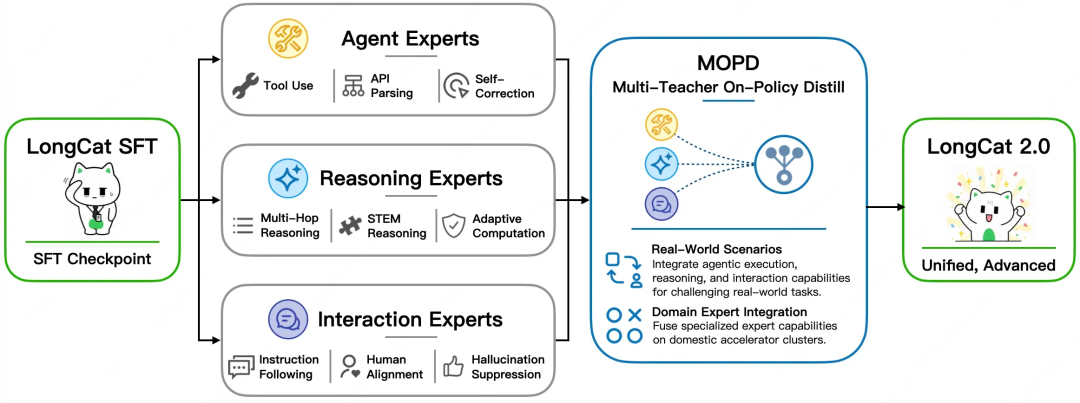
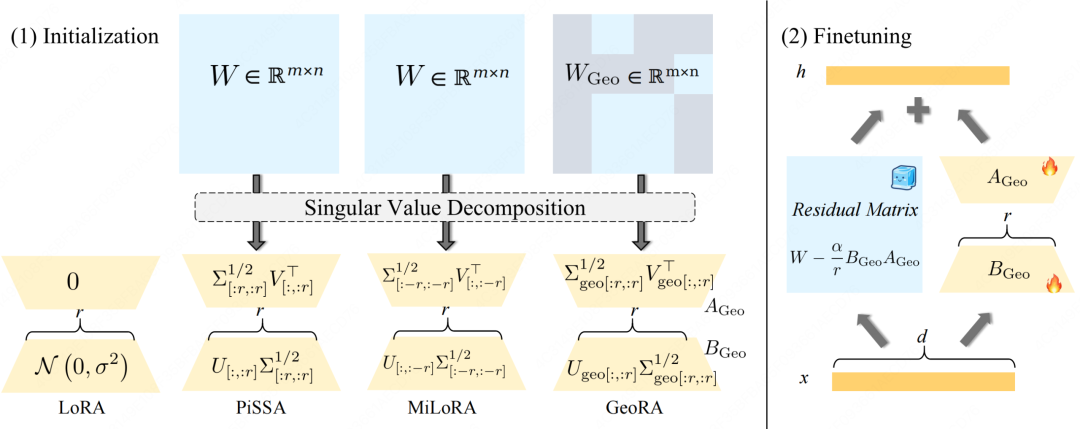
The team's research strategy is built upon several sophisticated technical pillars. Continual Pre-training (CPT) and Post-training methodologies allow Meituan to tailor general-purpose LLMs to the specific linguistic and logical nuances of the fulfillment industry. This ensures that the models possess the domain-specific knowledge required for high-accuracy decision-making.
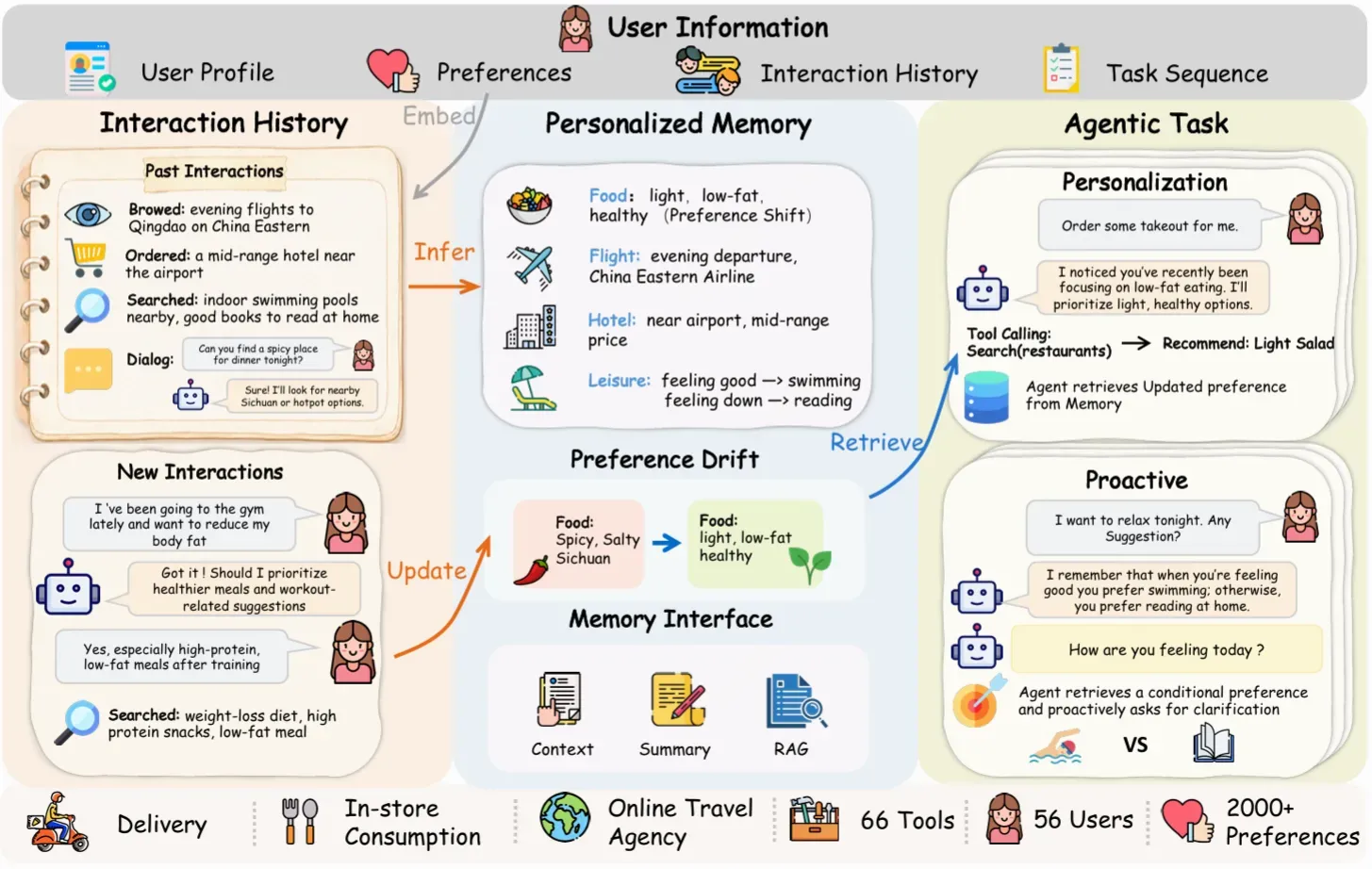
Furthermore, the exploration of Agentic Reinforcement Learning (RL) represents a significant step toward autonomous decision-making. Unlike traditional RL, Agentic RL focuses on the Agent's ability to navigate complex action spaces and long-term planning, which is essential for optimizing fulfillment chains. Coupled with Multimodal Understanding, these Agents can process diverse data inputs—ranging from text-based instructions to visual data from the fulfillment environment—enabling a more holistic understanding of the operational context. This multi-pronged approach ensures that the Agents are both specialized and versatile.
Bridging Academic Research and Practical Implementation
The presence of the Meituan Fulfillment Team at ACL 2026 underscores the importance of industrial-academic synergy. By publishing dozens of papers at top-tier venues like ACL and EMNLP, the team validates its internal technological breakthroughs against global standards. This academic rigor is not merely for prestige; it serves as the foundation for the "Frontier Technology Practices" shared during the session. The transition from theoretical research in Agentic RL and Multimodal Understanding to a functional "Agent self-evolving operating system" demonstrates a clear pipeline from laboratory innovation to business empowerment. This strategy allows Meituan to maintain a competitive edge in the rapidly evolving AI landscape while directly improving the efficiency of its core fulfillment services.
Industry Impact
The work presented by Meituan's fulfillment team has significant implications for both the AI research community and the logistics industry. By successfully integrating LLM Agents into a self-evolving system, Meituan is setting a benchmark for how large-scale enterprises can move from experimental AI to integrated, autonomous operations.
For the AI industry, this research highlights the growing importance of "Agentic" frameworks—systems that can plan, act, and learn independently. The focus on CPT and Post-training for domain-specific tasks provides a roadmap for other industries looking to customize LLMs for specialized use cases. Moreover, the emphasis on Multimodal Understanding suggests that the next generation of industrial AI will need to be increasingly perceptive of the physical world, moving beyond text-only interfaces to more comprehensive environmental awareness. This shift is likely to accelerate the adoption of AI Agents in sectors ranging from supply chain management to autonomous delivery services.
Frequently Asked Questions
Question: What is the primary focus of Meituan's Fulfillment AI Algorithm Team?
The team focuses on building an LLM-based Agent technology system and a self-evolving Agent operating system to empower Meituan's fulfillment business with advanced AI capabilities.
Question: Which technical areas is the Meituan team currently researching?
Their core research directions include Continual Pre-training (CPT), Post-training, Agentic Reinforcement Learning (RL), and Multimodal Understanding.
Question: Where has Meituan published its recent AI research findings?
Meituan has published dozens of high-quality research papers in leading international AI conferences, specifically mentioning ACL (Association for Computational Linguistics) and EMNLP (Empirical Methods in Natural Language Processing).