How AI Mode is Transforming Search Behavior in the U.S.: The Shift from Keywords to Natural Language
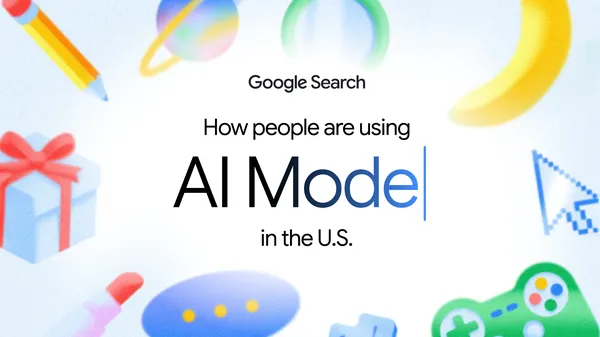
One year after the official launch of AI Mode, a significant transformation in user behavior has been observed within the United States. According to insights from the Google AI Blog, users are increasingly moving away from traditional, fragmented keyword-based searches in favor of natural language queries. This shift indicates a fundamental change in how individuals interact with search engines, prioritizing conversational and descriptive inputs over the shorthand methods that defined the previous era of digital information retrieval. As AI Mode completes its first year, the data highlights a growing comfort with AI-driven interfaces that can interpret complex human language, marking a pivotal moment in the evolution of search technology and user engagement strategies.
Key Takeaways
- One-Year Milestone: AI Mode has completed its first full year since launch, providing a significant window for observing long-term user behavior changes.
- Natural Language Dominance: There is a documented shift among U.S. users from using isolated keywords to employing full, natural language queries.
- Behavioral Evolution: The transition suggests that users are adapting to the capabilities of AI to understand context and complex sentence structures.
- U.S. Market Focus: The current insights specifically highlight trends within the United States search landscape.
In-Depth Analysis
The Evolution of Query Structure: From Keywords to Conversation
The primary finding from the first year of AI Mode is the clear departure from "keyword-ese"—the practice of typing disjointed terms into a search bar. Historically, search engine users learned to communicate in a way that machines could easily parse, often stripping away grammar and context to focus on core nouns and verbs. However, with the implementation of AI Mode, the data indicates that users are now interacting with the search interface as they would with a human or a sophisticated assistant.
This shift toward natural language queries implies that the underlying AI technology is successfully interpreting the nuances of human speech. Instead of searching for "weather New York weekend," users are more likely to ask, "What is the weather going to be like in New York this coming weekend?" This change is not merely cosmetic; it represents a deeper trust in the system's ability to handle syntax, intent, and conversational context. The move to natural language suggests that the barrier between human thought and digital inquiry is thinning, allowing for a more intuitive and less technical user experience.
One Year of AI Mode: Assessing the Shift in the U.S. Market
Reflecting on the twelve months since the launch of AI Mode in the United States, the trend toward descriptive queries has become a defining characteristic of the platform's growth. The U.S. market, often a bellwether for global digital trends, shows that as users become more familiar with AI-driven search, their reliance on traditional search methods diminishes. This one-year mark serves as a proof of concept for AI-integrated search environments, demonstrating that the technology can successfully reshape established habits.
In the context of the U.S. search landscape, this evolution highlights a shift in user expectations. Users no longer feel the need to "optimize" their own thoughts for the search engine; instead, they expect the search engine to optimize its understanding of their natural phrasing. This transition is particularly significant given the diversity of language use and regional dialects within the U.S., suggesting that AI Mode's natural language processing is robust enough to accommodate a wide variety of conversational styles. The data from this first year provides a foundation for understanding how AI-centric interfaces will continue to influence information-seeking behavior in the long term.
Industry Impact
The shift from keywords to natural language queries has profound implications for the broader AI and search industries. First, it necessitates a move away from traditional Keyword-based Search Engine Optimization (SEO). As users stop typing in specific keyword strings, the industry must pivot toward "Intent-based Optimization," where the focus is on providing comprehensive answers to complex, conversational questions rather than ranking for specific terms.
Furthermore, this trend validates the industry's heavy investment in Large Language Models (LLMs) and Natural Language Processing (NLP). The fact that users are naturally gravitating toward conversational queries confirms that there is a high demand for more human-centric technology interfaces. For developers and tech companies, this means that the future of search is not just about indexing information, but about understanding the context and the "why" behind a user's query. This evolution will likely drive further innovation in voice search, personalized AI assistants, and more interactive digital ecosystems that can sustain a dialogue with the user.
Frequently Asked Questions
Question: What is the main change observed in user behavior after one year of AI Mode?
According to the report, the most significant change is the shift from using traditional keywords to using natural language queries. Users are now asking questions and making requests in a more conversational and descriptive manner.
Question: How long has AI Mode been available to users in the U.S.?
AI Mode has been available for one year, as the recent insights are based on data collected since its launch twelve months ago.
Question: Why are users moving away from keyword-based searches?
The shift suggests that users are finding natural language queries to be more effective or intuitive within the AI Mode environment. This indicates that the AI is capable of understanding complex, full-sentence queries, reducing the need for users to simplify their thoughts into keywords.