Intercom Rebrands Corporate Entity to Fin: A Strategic Pivot Toward AI Customer Agents
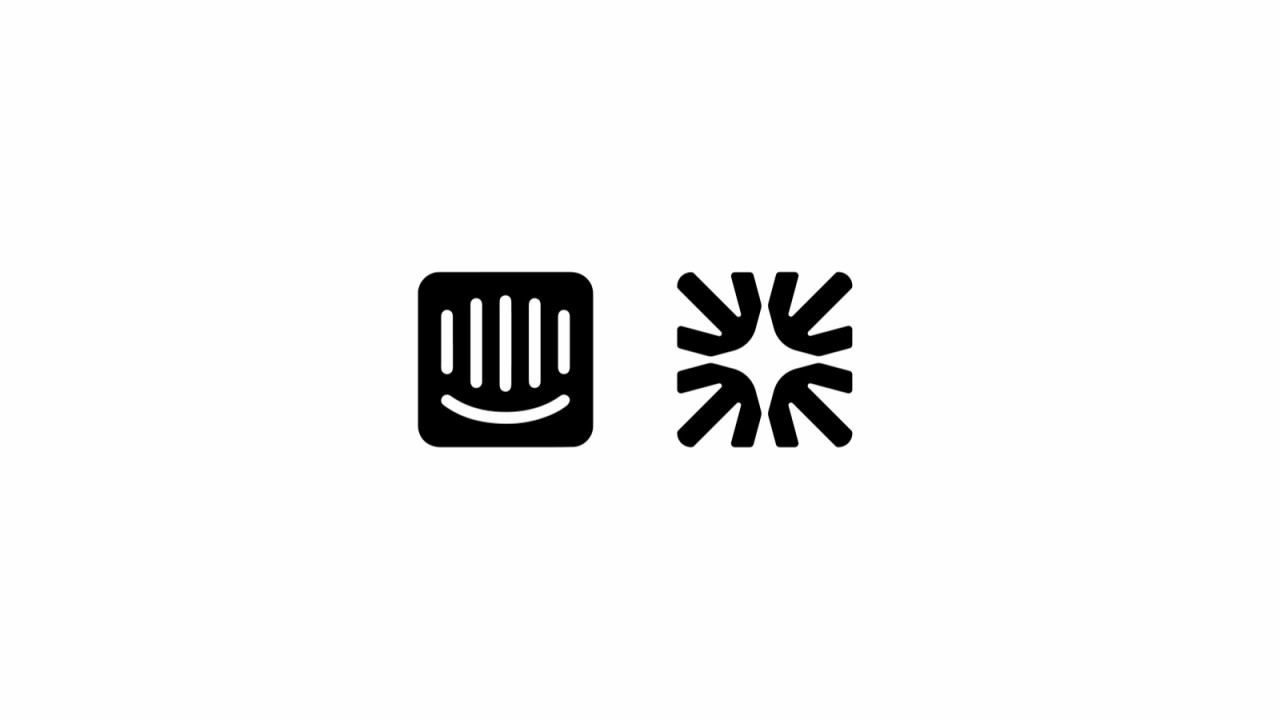
Intercom has officially announced a major corporate rebranding, changing its company name to Fin. While the well-known customer service software platform will retain the Intercom name—supported by the recent launch of Intercom 2—the parent company will now align its identity with its flagship customer agent platform, Fin. This move marks the culmination of a multi-year transition involving shifts in culture, pricing, and product strategy. CEO Eoghan Jennings (implied) emphasizes that the change is necessary to move beyond past successes and embrace the future of the service agent category. All 1,400 employees are now officially part of Fin, signaling a total commitment to the company's AI-driven technological direction.
Key Takeaways
- Corporate Identity Shift: Intercom has officially changed its company name to Fin to align with its leading customer agent platform.
- Product Continuity: The Intercom brand will persist as the name of the customer service software platform, which recently saw the launch of Intercom 2.
- Strategic Investment: The company is dramatically increasing investment in the Intercom platform despite the corporate name change.
- Organizational Impact: All 1,400 employees are now officially employed by Fin, reflecting a complete transition of the corporate entity.
- Philosophy of Change: The rebranding is part of a broader strategy to "destroy the past" to ensure future success in a changing industry.
In-Depth Analysis
The Transition from Intercom to Fin
The decision to rename the company to Fin represents a significant milestone in the organization's evolution. According to the announcement, the tech industry is often characterized by awkward name changes, leading the leadership to delay this transition. However, the shift is now seen as essential. While the name Intercom remains synonymous with the company's customer service software—which is currently being rebuilt and expanded through Intercom 2—the corporate identity will now lead with Fin. This name is derived from the company's service agent technology, which was introduced three years ago. By elevating Fin to the corporate level, the company is signaling that its future lies in the service agent category rather than just traditional help desk software.
Destroying the Past to Build the Future
A central theme of this rebranding is the necessity of radical transformation. The leadership argues that the winners of previous eras often fail because they remain tethered to the positions that brought them past glory. To combat this, the company has systematically overhauled its culture, pricing models, product lineups, and investment priorities. The name change to Fin is the final piece of this puzzle. The CEO notes that humans have a strong bias for "new and shiny" things and tend to map meaning onto the world that they rarely update. By adopting the Fin name, the company aims to bypass old perceptions and establish itself as a fresh, AI-centric player in the modern economic landscape.
Industry Impact
This rebranding highlights a growing trend among established tech companies to distance themselves from legacy identities in favor of AI-first branding. By separating the corporate name (Fin) from the product name (Intercom), the organization can maintain the market trust associated with its original software while positioning the parent company as a pioneer in the emerging "service agent" category. This move suggests that for legacy SaaS providers to remain competitive, they must be willing to undergo fundamental identity shifts that reflect their current technological investments. The transition of 1,400 employees to the Fin entity underscores the scale of this commitment and sets a precedent for how established brands might navigate the transition into an AI-dominated market.
Frequently Asked Questions
Question: Is the Intercom software being discontinued?
No. The Intercom name will continue to live on as the brand for the customer service software platform. The company has recently launched Intercom 2 and is increasing its investment in the platform.
Question: Why did the company choose the name Fin for its corporate identity?
Fin is the name of the company's leading customer agent platform. The company started the service agent category three years ago using the Fin name, often keeping the Intercom brand in the background during that period.
Question: What does this change mean for Intercom's employees?
All 1,400 employees are now officially employed by Fin. The rebranding represents a total shift in the company's corporate identity, culture, and investment priorities.