New Future of Work: Microsoft Research Explores AI's Rapid Change and Uneven Benefits
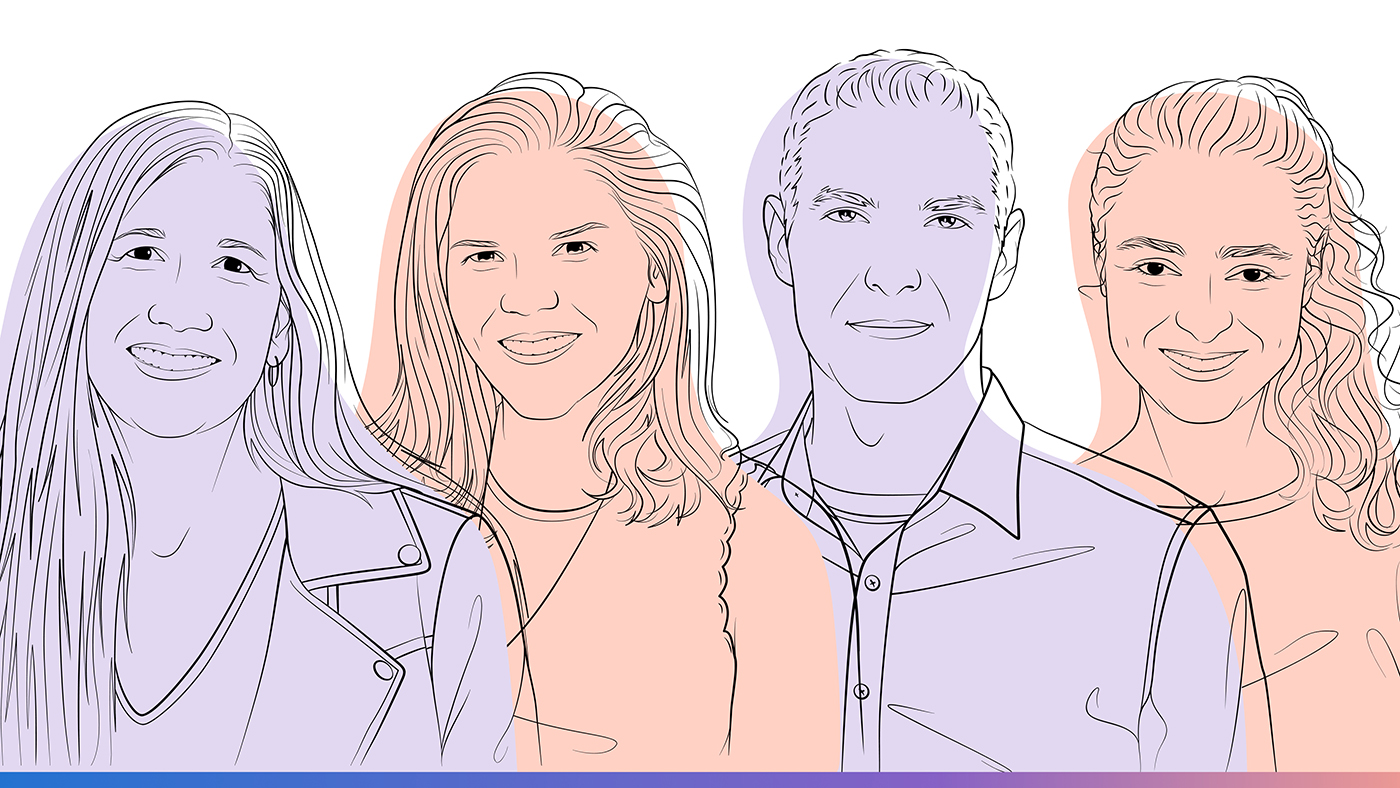
The Microsoft Research report titled 'New Future of Work: AI is driving rapid change, uneven benefits,' published on April 9, 2026, examines the transformative impact of artificial intelligence on the modern workplace. Authored by a multidisciplinary team including Jaime Teevan and Sonia Jaffe, the publication highlights how AI integration is accelerating shifts in professional environments. While the technology offers significant advancements in productivity and workflow, the report underscores a critical disparity in how these benefits are distributed across different sectors and demographics. This research serves as a foundational analysis of the evolving relationship between human labor and automated systems, emphasizing the need to address the uneven landscape of AI-driven progress.
Key Takeaways
- Rapid Workplace Transformation: AI is identified as the primary catalyst for swift changes in how work is structured and executed.
- Disparity in Benefits: The research highlights that the advantages gained from AI integration are currently distributed unevenly across the workforce.
- Multidisciplinary Research: The findings are backed by a diverse group of experts from Microsoft Research, focusing on the intersection of technology and labor.
In-Depth Analysis
The Acceleration of AI Integration
According to the report by Microsoft Research, the 'New Future of Work' is being defined by the unprecedented speed at which AI technologies are being adopted. This rapid change is not merely incremental; it represents a fundamental shift in professional operations. The authors, including Jaime Teevan and Brent Hecht, suggest that the integration of these tools is reshaping traditional roles and creating new paradigms for productivity. The speed of this transition poses both opportunities for innovation and challenges for organizational adaptation.
The Challenge of Uneven Benefit Distribution
A central theme of the research is the observation that the benefits of AI are not being felt equally. While some sectors and individuals experience significant gains in efficiency and creative output, others may face barriers to accessing or utilizing these technologies effectively. This unevenness suggests that the 'Future of Work' may exacerbate existing professional gaps if not managed with a focus on equitable distribution. The analysis by the research team points toward a complex landscape where the gains of automation are contingent on various socio-technical factors.
Industry Impact
The implications of this Microsoft Research report for the AI industry are significant. It signals a shift in focus from purely technical capabilities to the socio-economic outcomes of AI deployment. For developers and enterprises, the findings highlight the importance of considering user accessibility and the broader societal impact of their tools. As AI continues to drive rapid change, the industry must address the 'uneven benefits' to ensure long-term sustainability and public trust in automated systems. This research sets a benchmark for how tech leaders evaluate the success of AI integration beyond simple performance metrics.
Frequently Asked Questions
Question: Who are the primary authors of the 'New Future of Work' report?
The report was authored by a team of researchers at Microsoft, including Jaime Teevan, Sonia Jaffe, Rebecca Janssen, Nancy Baym, Siân Lindley, Bahar Sarrafzadeh, Brent Hecht, Jenna Butler, Jake Hofman, and Sean Rintel.
Question: What is the main concern regarding AI's impact on work mentioned in the report?
The main concern highlighted is that while AI is driving rapid change and progress, the benefits resulting from these advancements are distributed unevenly across the workforce.