Google Research at The Check Up: Advancing Healthcare Innovation and Real-World Care Settings
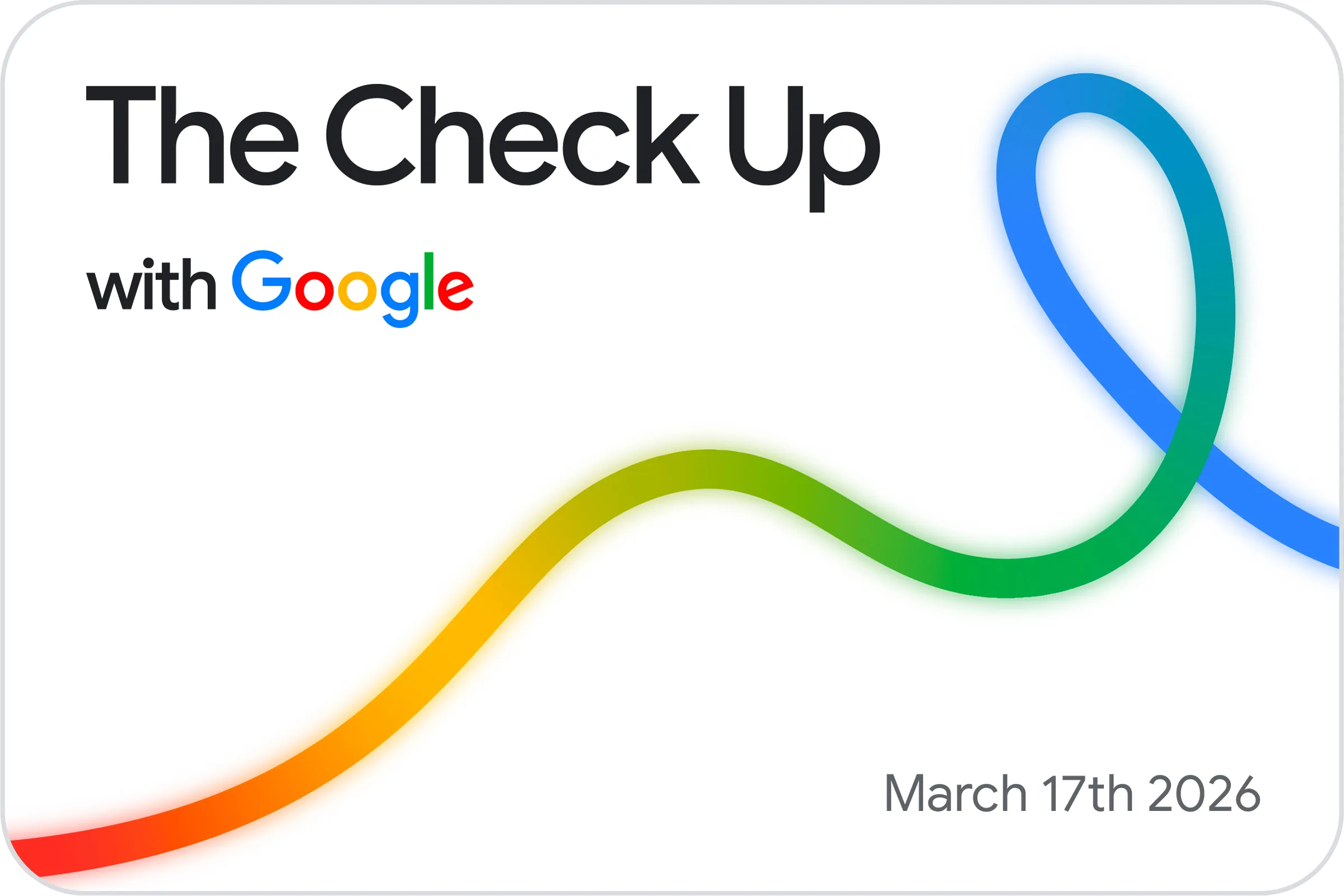
The latest announcement from Google Research at 'The Check Up' event highlights the organization's ongoing commitment to Health and Bioscience. The update focuses on the transition of healthcare innovations from theoretical research into practical, real-world care settings. By bridging the gap between laboratory development and clinical application, Google Research aims to enhance how technology supports health outcomes. This brief update underscores the strategic focus on bioscience and the integration of advanced research into the broader healthcare ecosystem, ensuring that technological breakthroughs translate into tangible benefits for patients and providers alike.
Key Takeaways
- Focus on Health & Bioscience: Google Research continues to prioritize innovation within the medical and biological fields.
- Real-World Integration: A primary objective is moving healthcare technology from research environments into actual care settings.
- The Check Up Event: This serves as the central platform for announcing Google's latest advancements in health-related research.
In-Depth Analysis
Bridging Research and Clinical Practice
Google Research's participation in 'The Check Up' emphasizes the critical transition of healthcare innovation into real-world care settings. The focus on Health and Bioscience indicates a shift toward ensuring that computational models and research findings are not just theoretically sound but are also applicable in clinical environments. This involves addressing the complexities of actual medical settings to ensure that technology can be seamlessly integrated into the workflows of healthcare professionals.
Strategic Focus on Bioscience
The emphasis on Bioscience suggests a deep dive into the biological foundations of health. By leveraging research capabilities, Google aims to explore new frontiers in how data and technology can intersect with biological sciences. This strategic direction points toward a future where research-driven insights play a pivotal role in understanding and improving human health through technological intervention.
Industry Impact
The focus on moving innovations into real-world settings has significant implications for the AI and healthcare industries. It signals a move toward more practical, evidence-based technology deployment. For the AI industry, this means a greater emphasis on reliability and clinical validity. For healthcare providers, it suggests the upcoming availability of tools that are specifically designed for the nuances of patient care, potentially leading to improved diagnostic accuracy and more efficient care delivery systems.
Frequently Asked Questions
What is the main focus of Google Research at 'The Check Up'?
The main focus is on healthcare innovation, specifically moving research from the development phase into real-world care settings within the Health and Bioscience sectors.
Why is 'real-world care settings' a significant mention?
It signifies that the research is moving beyond the laboratory and is being prepared for practical use by healthcare providers and patients in actual medical environments.
What sectors are highlighted in this update?
The update specifically highlights the Health and Bioscience sectors as the primary areas of research and innovation.